
You’ve probably wondered, “Do windshield covers really work?” Whether you’re tired of scraping ice off your windshield in freezing Austin mornings or trying to keep your car cool under the blazing Texas sun, this simple accessory promises to make your life easier. But can a windshield cover truly protect your glass, save you time, and keep your car comfortable?
You’ll discover how windshield covers work, when they’re worth it, and what to expect before you buy one. Keep reading to find out if this small investment can bring you big benefits all year round.
How Windshield Covers Work
Windshield covers serve as a simple yet effective barrier between your car’s glass and outdoor elements. They work by creating a physical shield that blocks heat, snow, ice, and harmful UV rays. This protection helps maintain the windshield’s clarity and the car’s interior condition. Understanding how these covers function can clarify their benefits and help you decide if they fit your needs.
Blocking Sun Heat
Windshield covers reflect sunlight away from the glass surface. This lowers the temperature inside the car. By stopping heat buildup, they keep your vehicle cooler during hot days. This also helps protect the interior materials from fading and cracking due to sun damage.
Preventing Snow And Ice Build-up
During winter, covers act as a barrier against snow and ice. They stop ice from sticking directly to the glass. This makes it easier to remove snow and ice without scraping hard. Using a cover can save time and effort during cold mornings.
Protecting Dashboard And Glass
Windshield covers guard the dashboard from harmful UV rays. This prevents cracking and discoloration over time. They also shield the glass from dirt, dust, and bird droppings. This keeps your windshield cleaner and reduces the need for frequent washing.
Benefits Of Using Windshield Covers
Using windshield covers offers several practical benefits for vehicle owners. These covers protect your car from harsh weather and help maintain its condition. They are easy to use and provide value throughout the year. Below are some key advantages of using windshield covers.
Reducing Interior Temperature
Windshield covers block direct sunlight from entering your car. This keeps the interior cooler during hot days. A cooler car means less need to use air conditioning. It also prevents damage caused by heat to seats and dashboard. Staying cool adds comfort and saves fuel.
Saving On Repairs
Heat and sun exposure can cause cracks and fading in your windshield and dashboard. Covers protect these surfaces by reducing sun damage. This protection helps avoid costly repairs or replacements. It keeps your vehicle in better shape for longer. Prevention is cheaper than repair.
Maintaining Vehicle Appearance
Windshield covers help preserve your car’s look. They prevent sun spots, dirt, and scratches on the glass. A clean, clear windshield improves visibility and safety. Keeping your car looking new also supports its resale value. Covers are a simple way to protect your investment.
Effectiveness In Different Climates
Windshield covers offer varying levels of protection depending on the climate. Their effectiveness depends on weather conditions like heat, snow, or rain. Understanding how they perform in different environments helps you choose the right one for your needs.
Hot And Sunny Areas
In hot climates, windshield covers block direct sunlight from hitting the glass. This reduces the car’s interior temperature and protects the dashboard from fading. Covers with reflective surfaces work best by bouncing sunlight away. They also prevent the windshield from becoming too hot to touch. This keeps your car cooler and more comfortable.
Snowy And Icy Conditions
Windshield covers help stop snow and ice from sticking to the glass. They create a barrier that makes removal easier and faster. Covers save time by reducing scraping and chipping risks. Thick, waterproof materials work best in freezing weather. They also protect windshield wipers from freezing to the glass. Covers prevent buildup that can block your view.
Humid And Rainy Environments
In humid areas, windshield covers reduce moisture buildup on the glass. This helps lower fogging inside the car, improving visibility. Waterproof covers keep rain from directly hitting the windshield. They help prevent water spots and dirt accumulation. Properly fitted covers also stop mold and mildew growth caused by dampness. Covers can keep your windshield cleaner longer in rainy weather.

Alternative Methods For Windshield Protection
Protecting your windshield is crucial for safe driving and maintaining your car’s condition. Apart from traditional windshield covers, several alternative methods offer protection. These methods can help reduce ice build-up, prevent fogging, and shield against dirt and sun damage. Exploring these options can help you find the best fit for your needs and budget.
Using Potato Starch As A Barrier
Rubbing a raw potato on your windshield creates a thin starch layer. This layer acts as a temporary barrier against water and ice. It causes water to bead up and roll off, improving visibility during rain. The starch also helps frost slide off more easily, reducing scraping effort. This method is cheap and uses common household items. Apply by cutting a potato in half and rubbing the cut side on a clean, dry windshield. Let it dry, then wipe off any streaks. The effect lasts a short time and may need reapplication.
Hydrophobic Treatments
Hydrophobic treatments create a water-repellent surface on your windshield. These products cause water to form droplets and roll off quickly. Rain, snow, and ice have less chance to stick, improving visibility and safety. Many treatments come as sprays or gels and can last for weeks or months. Applying them is simple: clean the glass, apply the product, and buff it dry. These treatments also reduce fogging and make cleaning easier. They provide longer-lasting protection compared to potato starch.
Diy Hacks Vs. Commercial Products
DIY hacks like potato starch or soap offer quick, low-cost solutions. They work for short periods but often need frequent reapplication. Commercial products usually provide stronger, longer-lasting protection. These products are tested for safety and effectiveness on glass. They often include instructions for best results. While DIY methods save money, commercial options offer reliability and convenience. Choose based on your budget, time, and how often you want to apply protection.
Potential Downsides And Limitations
Windshield covers offer convenience and protection, but they come with some downsides. Understanding these limits helps set the right expectations. Covers can protect against frost, ice, and sun damage, yet they do not solve all problems. Knowing their drawbacks ensures better care for your vehicle.
Temporary Solutions
Windshield covers provide short-term protection only. They shield against frost and ice but cannot stop all weather effects. Covers may not hold up in strong winds or heavy snow. This means you might still need to clear ice or snow manually. Think of covers as a helpful tool, not a full fix.
Messiness And Residue
Some covers leave dirt, dust, or sticky residue on glass surfaces. This residue can reduce visibility and require cleaning. Wet or dirty covers may transfer grime onto the windshield. Using a poorly maintained cover can cause streaks or marks. Regular cleaning of both cover and glass is essential.
Impact On Safety Systems
Modern cars have sensors and cameras near the windshield. Covers might block or interfere with these safety features. This can affect systems like lane assist or automatic braking. Always check if the cover design fits your car’s sensor layout. Avoid covers that fully cover sensor areas to keep safety systems working.

Choosing The Right Windshield Cover
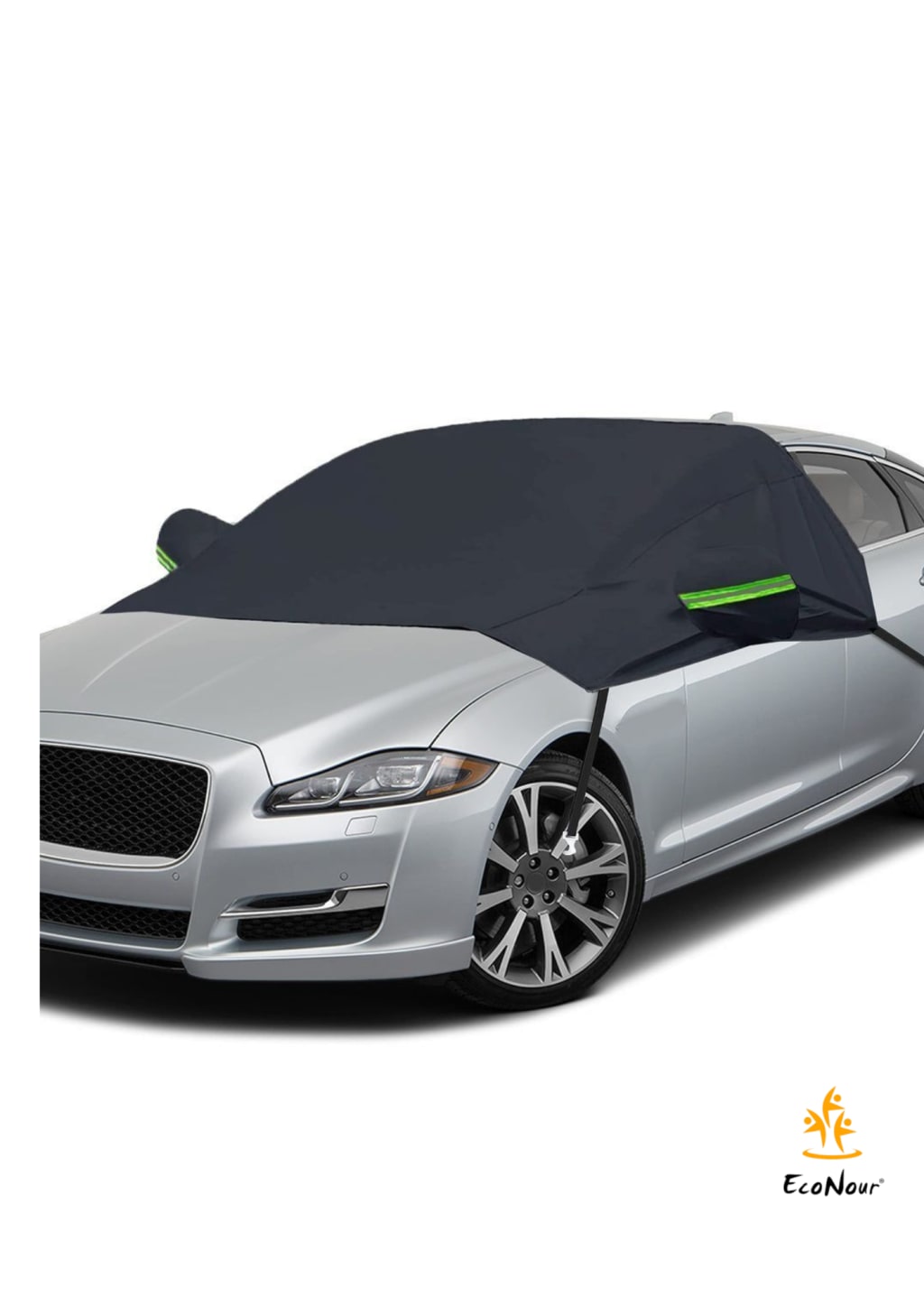
Choosing the right windshield cover makes a big difference. It protects your car from sun, frost, and debris. The right cover fits well and is easy to use. This helps keep your windshield clean and damage-free. Think about the material, size, and how simple it is to handle. These factors affect how well the cover works.
Material Types
Windshield covers come in many materials. Reflective fabrics block sunlight and heat effectively. Heavy-duty materials protect against snow and ice. Soft fabrics prevent scratches on the glass. Some covers have waterproof layers to keep moisture out. Choose material based on your weather and needs.
Size And Fit Considerations
Proper size is key to good coverage. A cover too small leaves parts exposed. Too large covers can flap in the wind. Measure your windshield before buying. Look for adjustable straps or elastic edges. These help the cover stay tight and secure.
Ease Of Use And Storage
Easy-to-use covers save time and effort. Quick installation means less hassle on busy days. Lightweight covers fold compactly for simple storage. Some come with storage bags to keep them neat. Pick a cover you can handle alone without trouble.
Maintenance And Care Tips
Taking good care of your windshield cover extends its life and keeps it effective. Regular maintenance prevents damage and ensures it protects your windshield properly. Simple steps can make a big difference in how well your cover works over time.
Cleaning Your Cover
Remove dirt and debris after each use. Use mild soap and water to clean the cover gently. Avoid harsh chemicals that could damage the material. Rinse thoroughly to remove soap residue. Let the cover air dry completely before storing it.
Proper Installation
Place the cover flat and smooth on your windshield. Secure all straps or magnets tightly to prevent wind from blowing it away. Make sure the cover covers the entire windshield surface. Check for any wrinkles that might reduce protection. Adjust as needed for a snug fit.
Storage Practices
Fold the cover neatly after it dries. Store it in a cool, dry place away from direct sunlight. Avoid placing heavy objects on the cover to prevent creases or tears. Keep it in a storage bag or container to protect it from dust. Proper storage keeps the cover ready for the next use.
Conclusion
Windshield covers offer clear benefits for protecting your car. They block sunlight, reducing heat inside your vehicle. Covers also help prevent frost and ice buildup in cold weather. Using one can protect your dashboard from damage and fading. While not perfect, they make car maintenance easier.
Consider your local climate and parking situation before buying one. Overall, windshield covers work well for many drivers. They provide simple, affordable protection worth trying.