
Have you ever wondered what makes your windshield wipers move back and forth when the rain starts pouring? You might think they work on their own or rely on simple mechanics, but there’s actually a motor powering those essential blades.
Understanding whether windshield wipers have a motor—and how it works—can help you spot problems early and keep your view clear during bad weather. If your wipers ever slow down, stop mid-swipe, or make strange noises, knowing about the motor behind them can save you time and money.
Ready to discover what’s really behind your wipers’ movement? Keep reading to find out how these motors work and how to tell if yours needs attention.
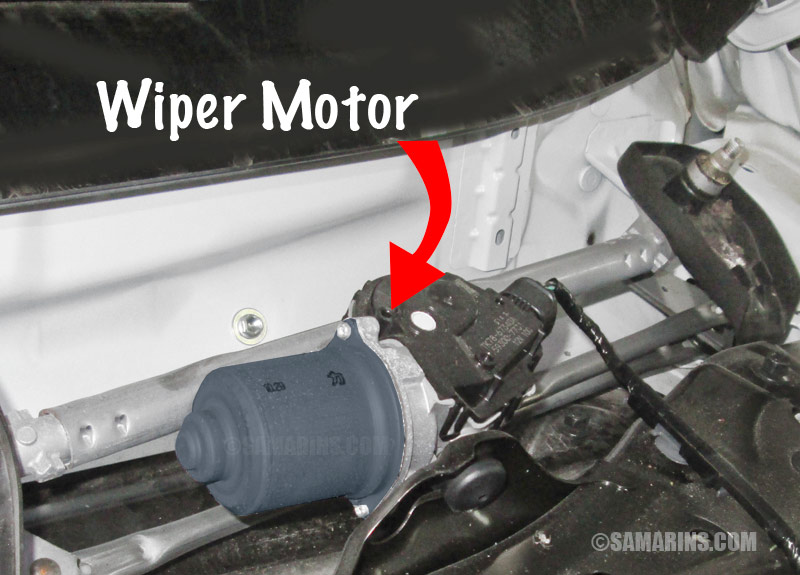
Wiper Motor Basics
Windshield wipers rely on a motor to function properly. This motor powers the movement of the wiper blades across the glass. Understanding how this motor works helps explain why wipers sometimes fail.
The motor converts electrical energy into mechanical motion. It moves the wiper arms back and forth at different speeds. This action clears rain, snow, and debris from the windshield for better visibility.
Motor Function In Wipers
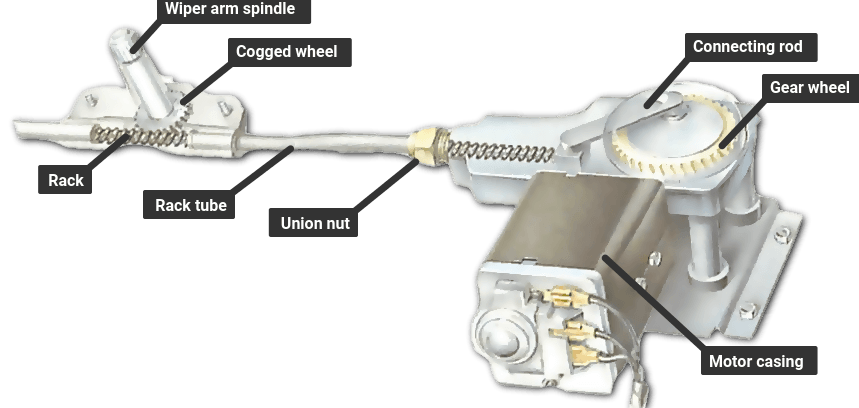
The wiper motor drives the wiper arms using a rotating shaft. This shaft connects to linkages that move the blades. The motor changes direction to create the sweeping motion.
It usually offers multiple speed settings. Slow and fast speeds help adjust wiping based on rain intensity. The motor also stops the blades in the correct resting position.
Types Of Wiper Motors
There are mainly two types of wiper motors: permanent magnet and series wound. Permanent magnet motors are common in modern cars. They are compact and efficient.
Series wound motors appear in older vehicles. They provide strong torque but use more power. Some cars use variable-speed motors for precise control. Each motor type suits different vehicle designs and needs.
How Wiper Motors Work
Windshield wipers clear rain, snow, and debris from your windshield. Their smooth movement depends on a small motor hidden under the hood. This motor powers the wiper arms back and forth across the glass. Understanding how this motor works helps explain why wipers sometimes fail or slow down.
Electric Motor Mechanics
The wiper motor is an electric motor. It uses electricity from the car’s battery. When you turn on the wipers, the motor starts running. Inside the motor, a coil spins around a magnet. This spinning motion creates the power needed to move the wipers. The motor can run at different speeds. This controls how fast the wipers sweep across the windshield.
Power Transmission To Wipers
The motor’s spinning motion does not move the wipers directly. A set of gears and linkages transfers the power. These parts change the motor’s rotation into back-and-forth motion. The linkages connect the motor to the wiper arms. This system ensures the wipers move smoothly and stop in the right place. If any part breaks, the wipers may move slowly or not at all.
Common Motor Problems
Windshield wiper motors often face issues that affect their performance. These problems can cause wipers to stop working or behave oddly. Understanding common motor problems helps in quick diagnosis and repair. It saves time and improves safety during rain or snow. Below are typical signs that indicate motor trouble.
Signs Of Motor Failure
Wipers stop moving or only work at one speed. They may not return to the resting position. Sometimes, the motor makes strange noises or emits a burning smell. These signs show the motor may be failing or has failed.
No Movement Issues
When you turn on the wipers and they do not move, the motor might be dead. This can be due to a blown fuse or an electrical fault. It may also mean the motor itself has failed internally. No movement usually points to a serious motor or power problem.
Erratic Or Slow Speeds
Wipers moving too slowly or at uneven speeds often mean the motor struggles. The motor might be worn out or have electrical issues. Erratic movement can also mean poor power transfer inside the motor. This causes unsafe wiping during bad weather.
Unusual Noises And Smells
A humming sound from the motor means it is straining to work. Grinding noises often come from stripped gears inside the motor. A burning smell signals the motor is overheating. These signs warn about internal damage or electrical faults that need fixing.
Diagnosing Motor Issues
Diagnosing motor issues in windshield wipers helps identify why wipers fail or work poorly. Problems with the motor can cause slow movement, no movement, or strange noises. Knowing how to check the motor and its related parts saves time and money. Simple tests reveal if the motor or other components need repair or replacement.
Checking Fuses And Power
Start by checking the fuse that protects the wiper motor circuit. A blown fuse stops power from reaching the motor. Locate the fuse box, find the wiper fuse, and inspect it. Replace the fuse if it is damaged or broken. Next, turn on the wipers and listen for the motor sound. No sound means no power. Use a test light or multimeter to check voltage at the motor connector. No voltage shows a wiring or switch problem.
Testing Ground Connections
The motor must have a good ground connection to work correctly. A poor ground causes the motor to run weakly or not at all. Find the ground wire on the motor connector. Clean the connection points to remove rust or dirt. Use a multimeter to test continuity between the ground wire and the vehicle chassis. If no continuity exists, fix or replace the ground wire. A solid ground restores proper motor function.
Inspecting Linkages
Linkages connect the motor to the wiper arms and blades. Damaged or loose linkages prevent wipers from moving even if the motor works. Look under the hood to see the linkage assembly. Check for broken, bent, or disconnected parts. Move the linkage by hand to feel for resistance or looseness. Tighten loose connections or replace damaged parts. Proper linkage operation ensures smooth wiper movement.
Repair And Replacement
Repair and replacement of windshield wiper motors are essential for safe driving. A faulty motor can cause wipers to stop working or move erratically. Understanding when to replace the motor and how to perform basic repairs can save time and money. Regular checks help spot problems early and maintain clear visibility during rain or snow.
When To Replace The Motor
Replace the motor if wipers do not move at all. Slow or jerky movements also indicate motor problems. If wipers run at only one speed, the motor may be failing. Motors that do not return wipers to the resting position need replacement. Strange noises, like grinding or humming, often mean internal damage. A burning smell signals motor overheating and immediate replacement is necessary.
Basic Repair Tips
Start by checking the fuse and replacing it if blown. Listen for motor sounds when switching on the wipers. No sound might mean no power or a dead motor. Inspect the motor’s electrical connections and clean any corrosion. Tighten or replace loose or broken linkage arms. Lubricate moving parts to reduce friction. Use a multimeter to test motor power if you know how. Always disconnect the battery before working on electrical parts.
Preventive Maintenance
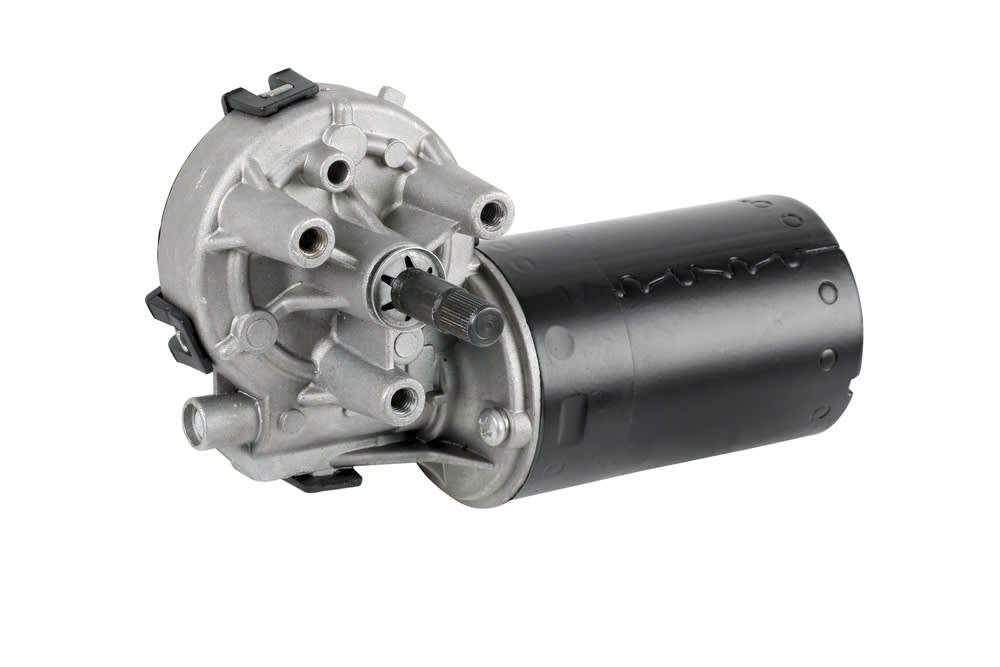
Preventive maintenance keeps your windshield wiper motor and system working well. It helps avoid sudden failures and costly repairs. Simple checks and care improve wiper performance and extend the motor’s life.
Regular Inspection
Check your wipers often for signs of wear or damage. Look for cracked or stiff blades. Inspect the motor area for dirt, rust, or loose parts. Notice if the wipers move smoothly and quietly. Early spotting of issues can prevent motor strain.
Lubrication And Cleaning
Keep the wiper motor and linkage clean to reduce friction. Use a light lubricant on moving parts to ensure smooth motion. Avoid over-lubricating as it can attract dirt. Clean the windshield and wiper blades regularly to reduce motor load.
Conclusion
Windshield wipers do have a motor that powers their movement. This motor controls the speed and direction of the blades. If your wipers move slowly or not at all, the motor might be failing. Strange noises or wipers stopping mid-windshield also signal motor issues.
Checking fuses, power, and connections helps diagnose problems. A faulty motor usually needs replacement to keep your windshield clear. Understanding this helps you maintain safe driving in all weather. Keep your wiper motor in good shape for better visibility.