
When your windshield gets replaced or repaired, you might wonder, “How long does it take to calibrate a windshield?” This isn’t just a simple adjustment—it’s a crucial step to ensure your car’s safety features work perfectly. If your vehicle has advanced driver-assistance systems (ADAS) like lane-keeping assist or automatic emergency braking, calibration is essential.
Skipping it could mean those safety features don’t function properly, putting you at risk. You’ll discover exactly what windshield calibration involves, how much time it usually takes, and the factors that can speed up or slow down the process. By the end, you’ll know what to expect and why it’s worth the wait to keep you and your loved ones safe on the road.
Keep reading to find out more!
Windshield Calibration Basics
Calibrating a windshield is key after replacement or repair. This process ensures safety systems work correctly. It aligns cameras and sensors with the new glass. Proper calibration helps features like lane assist and automatic braking function well. Understanding the basics of windshield calibration helps set clear expectations for time and cost.
Calibration is not just a simple adjustment. It involves precise steps to sync the vehicle’s systems. Each car model may have different requirements. Knowing these details helps avoid mistakes and ensures safety.
Role Of Adas In Calibration
ADAS stands for Advanced Driver-Assistance Systems. These systems use cameras and sensors mounted near or on the windshield. They help with driving tasks such as emergency braking and lane keeping. After windshield replacement, ADAS needs recalibration to work properly. Without it, the safety features may fail or act unpredictably.
Calibration aligns the ADAS sensors to the new windshield position. This process makes sure the vehicle’s technology can accurately read the road and traffic. It protects the driver and passengers by keeping safety features reliable.
Static Vs Dynamic Calibration
Two main types of windshield calibration exist: static and dynamic. Static calibration happens with the vehicle parked. Technicians use special tools to adjust the sensors. This method is common for many cars and requires less time.
Dynamic calibration happens while the vehicle is driven. The car must be on the road during this process. It helps the systems adapt to real driving conditions. Some vehicles need dynamic calibration for better accuracy.
The type of calibration depends on the car model and the ADAS system installed. Both methods are important for ensuring proper sensor function and safety.
Calibration Duration
Calibrating a windshield is a critical step after replacement or repair, ensuring safety systems work correctly. The duration of this process depends on various factors. Understanding how long calibration takes helps you plan your visit effectively.
Average Time Required
Most windshield calibrations take about 1 to 2 hours. Simple calibrations may finish closer to one hour. Complex systems or additional checks can extend the time. The technician needs to set up equipment and test sensors carefully. This ensures accuracy for driver assistance features.
Time Differences By Vehicle Type
Calibration time varies by vehicle make and model. Standard cars usually require less time. Luxury or advanced vehicles take longer due to extra safety features. Some trucks and SUVs need more steps for proper setup. Each vehicle’s system complexity affects the total calibration duration.
Factors Affecting Calibration Time
Several factors influence how long it takes to calibrate a windshield. Calibration time varies depending on the vehicle and method used. Understanding these factors helps set realistic expectations for the process.
Vehicle Complexity And Features
Vehicles with advanced safety features need more precise calibration. Cars with lane assist, adaptive cruise control, or collision warning take longer. Luxury models often require extra steps to ensure accuracy. Simpler cars with basic features usually finish faster.
Calibration Method Used
Static calibration involves tools and fixed targets; it usually takes more time. Dynamic calibration requires driving the vehicle, extending the process. Some methods need specialized equipment that affects overall duration. The chosen method depends on the car’s system and manufacturer guidelines.
Technician Experience And Tools
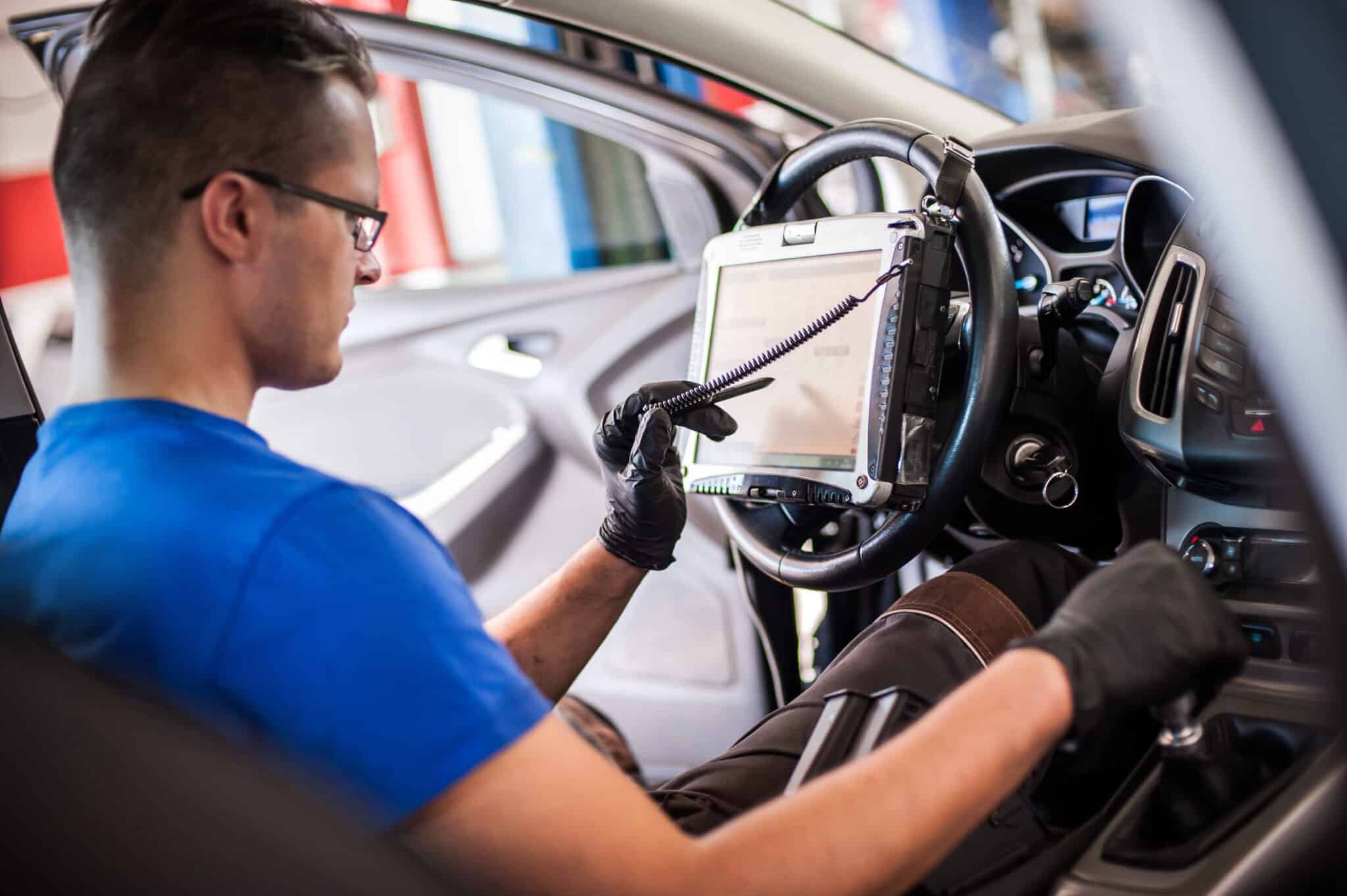
Experienced technicians complete calibration faster and with fewer errors. Proper tools and software speed up the process. Less skilled technicians might take longer or need additional attempts. Well-equipped service centers offer quicker, more reliable calibration results.
Cost Of Calibration
The cost of windshield calibration varies widely based on several factors. This process involves resetting sensors and cameras that assist with driving safety. Because the work requires special tools and training, prices can reflect the complexity. Knowing what influences the cost helps you prepare for the expense. Below, we explore typical price ranges, different calibration types, and how providers affect the cost.
Typical Price Range
Calibration prices usually fall between $100 and $400. Basic static calibrations cost less, often around $100 to $200. Dynamic calibrations, which require driving the vehicle, can reach $300 or more. Luxury vehicles or those with advanced driver-assist systems may see higher charges. Prices depend on the technology involved and the time needed to complete the job.
Impact Of Calibration Type
Static calibration fixes sensors while the car is parked. It takes less time and costs less. Dynamic calibration needs the car to be driven on the road or track. It requires more skill and equipment, increasing the price. Some vehicles require both types, raising the total cost further. The calibration type depends on the vehicle’s system and manufacturer guidelines.
Service Provider Variations
Dealerships often charge the highest prices for calibration. They have factory-trained technicians and the latest tools. Independent auto glass shops usually offer lower rates. They may not have all the advanced equipment but can handle many calibrations effectively. Mobile calibration services add convenience but might charge extra for travel. Comparing providers can save money and time.
Insurance And Coverage
Insurance plays a key role in covering the costs linked to windshield calibration. Many drivers wonder what part of this service their insurance will cover. Understanding insurance coverage can help you plan better and avoid surprises.
When Calibration Is Covered
Insurance often covers windshield calibration after a replacement. This usually happens under comprehensive auto policies. These policies protect against damage from accidents, weather, or vandalism. Calibration coverage depends on the insurer and your specific plan. Sometimes, calibration is included as part of the windshield replacement service. Other times, it may be billed separately.
Some insurers require you to notify them before the calibration. This ensures the cost is approved. Keep in mind that calibration must be done by qualified technicians to qualify for coverage. Always check with your insurance provider about the exact terms.
Deductibles And Policy Details
Most insurance policies have a deductible, the amount you pay before coverage starts. You usually pay the deductible for windshield calibration costs. The remaining amount may be covered by your insurer. Deductibles vary by policy and provider.
Review your policy to know if calibration is covered and under what conditions. Some policies exclude calibration or limit coverage to certain repair shops. Knowing these details helps avoid unexpected bills. Ask about coverage limits, deductibles, and preferred service providers.
Risks Of Skipping Calibration
Skipping windshield calibration after replacement can cause serious problems. Calibration aligns your car’s safety systems with the new windshield. Without it, these systems may not work correctly.
Ignoring calibration puts you and others on the road at risk. The sensors and cameras need precise adjustment to function properly. Missing this step can lead to system errors and unsafe driving conditions.
Safety Feature Failures
Many cars have advanced safety features linked to the windshield. Features like lane departure warnings and automatic braking rely on accurate calibration. Without it, these systems may fail to detect hazards.
Failure in safety features can cause delayed warnings or no alerts at all. This reduces the effectiveness of critical driver-assist functions. The chance of system errors and malfunctions rises sharply.
Increased Accident Risk
Proper calibration helps prevent accidents by improving sensor accuracy. Skipping this step increases the chance of crashes. Systems may not respond correctly to road conditions or other vehicles.
Drivers might believe safety systems are active when they are not. This false sense of security can lead to risky driving behaviors. The risk to you and others on the road grows significantly.
Preparing For Calibration
Preparing for windshield calibration is an important step after replacing your windshield. Proper preparation ensures the calibration process goes smoothly. It also helps avoid delays and extra costs. Understanding what to expect and how to schedule the service can save time and stress.
Scheduling And Timing Tips
Book your calibration appointment soon after windshield replacement. Most calibrations take about one hour, but some vehicles may need more time. Choose a time when you can leave your car at the shop without rushing. Avoid peak hours to reduce waiting time. Confirm the service provider has the right tools for your vehicle’s system. Arriving on time helps keep the process efficient.
What To Expect During Service
The technician will first inspect the new windshield and sensors. They will use special equipment to perform static or dynamic calibration. Static calibration happens with the car parked. Dynamic calibration requires driving the car under certain conditions. The technician may need to adjust sensors or cameras. After calibration, they will test the system to ensure it works correctly. The goal is to restore your vehicle’s safety features fully.

Conclusion
Calibrating a windshield usually takes about one hour or more. The exact time depends on your vehicle’s make and model. Skilled technicians use special tools to ensure accuracy. Proper calibration keeps safety systems working correctly. Skipping calibration can affect features like lane assist or emergency braking.
Always plan for this step after windshield replacement. It helps maintain your car’s safety and performance. Scheduling calibration soon after installation is best. This simple process protects you and other drivers on the road.