
A Ford F-150’s MPG depends on the year and engine, but most models fall around 15–20 MPG in the city and 20–26 MPG on the highway in normal driving. EcoBoost V6 and hybrid PowerBoost versions are usually the most efficient, while larger V8 setups tend to use more fuel.
Towing, heavy loads, big tires, and higher speeds can drop MPG quickly, so the best estimate comes from your exact model year, engine, and drivetrain.

What Does Mpg Mean?
Mpg means “miles per gallon.” It tells you how far a vehicle can go using one gallon of fuel. A higher mpg number means the vehicle uses less fuel to travel the same distance.
For example, if a truck gets 20 mpg, it can travel 20 miles with one gallon of gas. If another truck gets 15 mpg, it travels only 15 miles per gallon.
Factors That Affect Mpg
The mpg of a vehicle changes based on many things. Here are some important factors:
- Engine Type: Bigger engines usually use more fuel.
- Drive Type: Four-wheel drive (4WD) trucks may use more fuel than two-wheel drive (2WD).
- Load and Weight: Carrying heavy loads lowers mpg.
- Driving Habits: Speeding or quick stops use more fuel.
- Terrain: Driving on hills or rough roads reduces mpg.
- Model Year: Newer models often have better fuel efficiency.
Ford F-150 Fuel Economy Overview
The Ford F-150 has many versions. Each version has different mpg ratings. Here is a quick overview:
| Engine Type | Drive Type | City Mpg | Highway Mpg | Combined Mpg |
|---|---|---|---|---|
| 3.3L V6 | 2WD | 19 | 25 | 21 |
| 3.3L V6 | 4WD | 18 | 23 | 20 |
| 2.7L EcoBoost V6 | 2WD | 20 | 26 | 22 |
| 2.7L EcoBoost V6 | 4WD | 19 | 24 | 21 |
| 3.5L EcoBoost V6 | 2WD | 18 | 24 | 20 |
| 3.5L EcoBoost V6 | 4WD | 17 | 23 | 19 |
| 5.0L V8 | 2WD | 16 | 22 | 18 |
| 5.0L V8 | 4WD | 15 | 21 | 17 |
| 3.0L Power Stroke Diesel | 4WD | 20 | 27 | 23 |
Understanding the Table
The table shows fuel economy for different engines. It splits between city and highway driving. City mpg is usually lower because of stop-and-go traffic. Highway mpg is higher because you drive steady.
The combined mpg is an average of city and highway. This gives a general idea of fuel use.
The diesel engine gets the best mpg overall. The 3.0L Power Stroke Diesel can reach up to 23 mpg combined. Gasoline V8 engines usually get less mpg.
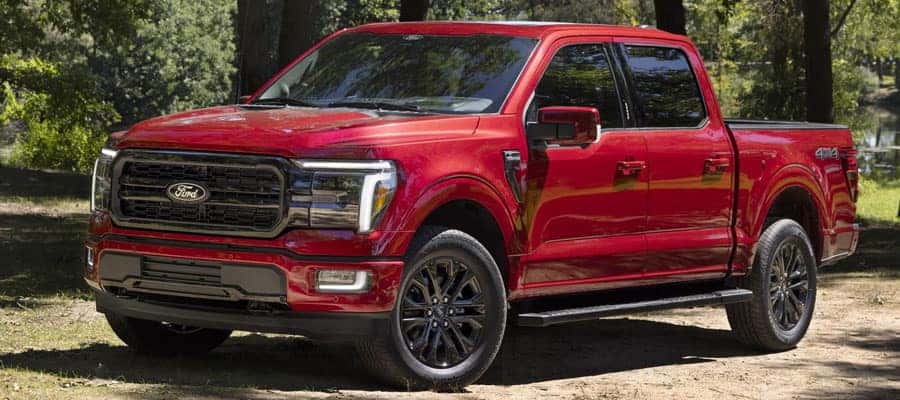
Ford F-150 2024 Mpg Ratings
For the newest 2024 Ford F-150 models, mpg ratings are:
- 3.3L V6 (2WD): 19 city / 25 highway / 21 combined
- 2.7L EcoBoost V6 (2WD): 20 city / 26 highway / 22 combined
- 3.5L EcoBoost V6 (4WD): 17 city / 23 highway / 19 combined
- 5.0L V8 (4WD): 15 city / 21 highway / 17 combined
- 3.0L Power Stroke Diesel (4WD): 20 city / 27 highway / 23 combined
These numbers show the 2024 F-150 is fairly fuel efficient for its size. Trucks are bigger and heavier, so mpg is lower than small cars.
How Driving Conditions Affect Mpg
Your real mpg may differ from the official numbers. Here are some reasons why:
- City Driving: Many stops and starts lower mpg.
- Highway Driving: Steady speeds help get better mpg.
- Heavy Loads: Carrying or towing heavy things lowers mpg.
- Weather: Cold weather can reduce fuel efficiency.
- Tyre Pressure: Low tyres use more fuel.
Good driving habits help improve mpg. Drive smoothly and avoid quick stops. Keep your truck well-maintained for best fuel use.
Comparing Ford F-150 Mpg with Other Trucks
How does the F-150 compare with other trucks? Here is a simple comparison with popular trucks:
| Truck Model | Engine | Combined Mpg |
|---|---|---|
| Ford F-150 3.5L EcoBoost V6 (4WD) | 3.5L EcoBoost V6 | 19 |
| Chevrolet Silverado 1500 4.3L V6 (4WD) | 4.3L V6 | 18 |
| Ram 1500 3.6L V6 (4WD) | 3.6L V6 | 20 |
| Toyota Tundra 5.7L V8 (4WD) | 5.7L V8 | 15 |
The Ford F-150 offers competitive mpg. It is better than some trucks and close to others. The diesel version leads in fuel efficiency.
Tips to Improve Your Ford F-150 Mpg
If you want better fuel economy, try these tips:
- Drive Smoothly: Avoid fast acceleration and hard braking.
- Reduce Weight: Remove extra items you don’t need.
- Keep Tires Inflated: Check tyre pressure regularly.
- Use Cruise Control: Helps keep steady speed on highways.
- Limit Idling: Turn off engine when parked.
- Regular Maintenance: Change oil and air filters on time.
Conclusion
The Ford F-150 gets different mpg depending on the model. Smaller engines give better fuel economy. Diesel engines have the best mpg. City driving lowers mpg, highway driving improves it. Good driving habits help save fuel.
Overall, the Ford F-150 is a strong truck with decent fuel efficiency. It suits drivers who need power and fuel savings. Now you know what to expect from the F-150’s mpg. Make your choice based on your needs and budget.