When you think about your car, the engine is its true heart. But did you know there are different types of car engines, each with its own strengths and quirks?
Understanding these can help you make smarter choices—whether you’re buying, maintaining, or just curious about how your car works. You’ll discover the main types of car engines and what makes each one unique. By the end, you’ll feel more confident talking about engines and ready to find the perfect fit for your driving needs.
Keep reading to unlock the secrets under your hood!
Gasoline Engines
Gasoline engines power most cars worldwide. They run on petrol, a type of fuel refined from crude oil. These engines convert fuel into motion using controlled explosions inside cylinders. Gasoline engines have been the standard for decades due to their efficiency and ease of use.
How They Work
Gasoline engines work by burning a mix of air and fuel inside cylinders. A spark plug ignites this mixture, causing a small explosion. The explosion pushes a piston down, creating motion. This motion turns the car’s wheels through the transmission system. The engine repeats this process many times per second to keep the car moving.
Advantages And Drawbacks
Gasoline engines start quickly and run smoothly. They are quieter than diesel engines and lighter in weight. These engines cost less to repair and maintain. On the downside, gasoline engines use more fuel than some alternatives. They also produce more carbon emissions, which harm the environment.
Common Uses
Most passenger cars use gasoline engines. They are popular in small to medium-sized vehicles. Many motorcycles and light trucks also rely on gasoline engines. These engines suit daily driving and city traffic well. They remain a top choice for millions of drivers worldwide.

Credit: www.youtube.com
Diesel Engines
Diesel engines power many vehicles worldwide. They differ from gasoline engines in how they burn fuel. These engines use compression to ignite fuel, not spark plugs. This process makes diesel engines tough and long-lasting.
They are known for strong performance and good fuel economy. Diesel engines often last longer than gasoline engines. Their design suits heavy-duty tasks and long drives.
Key Features
Diesel engines use high compression to ignite fuel. They produce more torque at low speeds. This means strong pulling power. They have fewer spark plugs or none at all. The engine parts are built to handle high pressure. Diesel engines run cooler than gasoline engines. They create less carbon monoxide but more nitrogen oxides. These engines are quieter with modern designs.
Fuel Efficiency
Diesel fuel contains more energy per gallon than gasoline. This leads to better mileage on the road. Diesel engines use fuel more efficiently. They convert more fuel energy into motion. Less fuel waste means lower costs over time. Their high compression ratio helps save fuel. Diesel engines shine on long trips and highways.
Typical Applications
Diesel engines power trucks, buses, and large vehicles. They are common in commercial transport and farming machines. Many SUVs and pickup trucks use diesel engines. They suit vehicles needing strong towing power. Diesel is also popular in ships and trains. Their durability makes them ideal for heavy work. Diesel engines fit well in machines running long hours.
Electric Engines
Electric engines are changing how cars move. They use electricity instead of gasoline. These engines are quieter and cleaner. They need less maintenance and cause less pollution. Many new cars now use electric engines to save energy and reduce emissions.
Basic Components
Electric engines have a few main parts. The motor turns electricity into motion. A battery stores the electric power. A controller manages the power flow. These parts work together to move the car smoothly and efficiently.
Performance Benefits
Electric engines provide quick and smooth acceleration. They deliver high torque instantly. This means fast starts without delay. They operate quietly, making rides peaceful. These engines also need less maintenance. No oil changes or spark plugs are required.
Charging And Range
Electric cars recharge using special chargers. Charging can take from 30 minutes to several hours. The battery range varies by model and use. Many cars can travel 150 to 300 miles on one charge. Planning routes and charging stops is important for long trips.
Credit: www.carmechanicadelaide.com.au
Hybrid Engines
Hybrid engines combine two types of power sources to run a car. Usually, they use a gasoline engine and an electric motor. This mix helps save fuel and lowers pollution. Hybrids are popular for city driving and long trips. They offer an interesting balance of power and efficiency.
Types Of Hybrids
There are three main types of hybrid engines. The first is the mild hybrid. It uses a small electric motor to support the gas engine. The second is the full hybrid. It can run on gas, electricity, or both. The third type is the plug-in hybrid. It has a larger battery and can charge from an outlet. Each type suits different driving needs.
Fuel Economy
Hybrid cars use less fuel than traditional cars. The electric motor helps save gas, especially in stop-and-go traffic. Regenerative braking also recovers energy, improving efficiency. Drivers spend less money on fuel and reduce harmful emissions. This makes hybrids a smart choice for saving fuel.
Driving Experience
Hybrids offer smooth and quiet rides. Electric motors work silently, reducing noise. Acceleration feels quick because the electric motor gives instant power. Some hybrids switch automatically between gas and electric modes. This makes driving easy and comfortable. Many drivers enjoy the calm and steady feel of hybrids.
Rotary Engines
Rotary engines are a special type of car engine that works differently from regular engines. Instead of pistons moving up and down, rotary engines use a triangular rotor spinning inside a chamber. This design makes the engine smaller and lighter. Many car fans find rotary engines interesting because of their unique way of working and their smooth power delivery.
Unique Design
Rotary engines have a triangular rotor that spins inside an oval chamber. This rotor replaces the pistons found in normal engines. The spinning motion creates power by compressing and igniting fuel in different parts of the chamber. This design means fewer moving parts and less vibration. The engine is compact and fits in small spaces easily.
Performance Traits
Rotary engines run very smoothly and can reach high speeds quickly. They produce power evenly without many vibrations. The engine’s compact size helps cars accelerate fast. They also have a high power-to-weight ratio, meaning lots of power for their size. This makes rotary engines good for sports cars and racing.
Pros And Cons
Rotary engines are small, light, and smooth. They deliver strong power and are simple in design. But, they use more fuel than regular engines. They also wear out faster and need more frequent maintenance. Emissions can be higher, which affects the environment. Finding parts and mechanics for repairs can be harder too.
Turbocharged Engines
Turbocharged engines are a popular choice in many modern cars. They provide more power without making the engine bigger. This helps cars perform better while staying compact and efficient. Turbochargers use exhaust gases to boost engine power. This section explains how turbocharging works, the power gains, and its impact on fuel consumption.
How Turbocharging Works
A turbocharger uses exhaust gas to spin a turbine. This turbine is connected to a compressor. The compressor pushes more air into the engine’s cylinders. More air means more oxygen for burning fuel. This process helps the engine burn fuel more efficiently. It increases the engine’s power output without adding size.
Power Gains
Turbocharged engines produce more power than regular engines of the same size. They create extra boost pressure inside the engine. This pressure forces more fuel and air into the cylinders. The result is stronger combustion and more power. Drivers feel faster acceleration and better performance. Cars with turbo engines often have better towing and climbing ability.
Impact On Fuel Consumption
Turbochargers can improve fuel efficiency under certain conditions. They allow smaller engines to deliver power like bigger engines. Smaller engines usually consume less fuel. However, using the turbo often means burning more fuel. Aggressive driving with turbo engines can lower fuel economy. But steady driving helps save fuel while enjoying extra power.
Supercharged Engines
Supercharged engines boost a car’s power by forcing more air into the engine. This extra air helps burn more fuel, which creates more energy. Superchargers are connected directly to the engine, making them very responsive. Drivers feel power instantly, even at low engine speeds.
Mechanism
Superchargers use a belt connected to the engine’s crankshaft. This belt spins a compressor inside the supercharger. The compressor pushes extra air into the engine’s cylinders. More air means more fuel can burn, producing stronger engine power.
Advantages Over Turbochargers
Superchargers provide power without delay. Turbochargers need exhaust gas to spin, causing lag. Superchargers work immediately because they are engine-driven. This gives quick throttle response. They are simpler to install and maintain too.
Performance Effects
Supercharged engines deliver steady and strong power across all speeds. They improve acceleration and towing ability. Cars feel more lively and responsive. Fuel efficiency may drop slightly due to extra fuel use. Still, many drivers enjoy the immediate power boost.
Engine Layouts
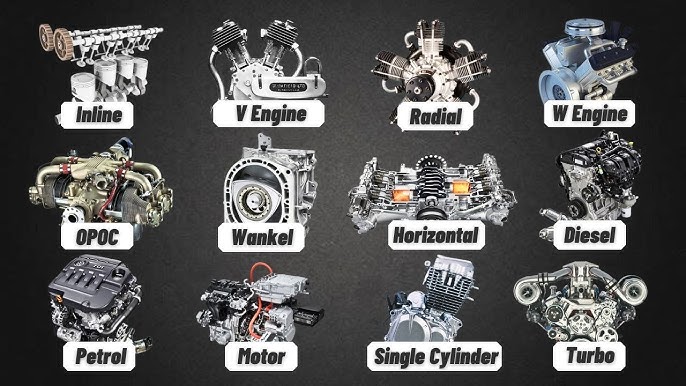
Engine layouts define how the cylinders are arranged inside a car’s engine. This affects the engine’s size, power, and smoothness. Different layouts suit different types of cars and driving styles. Understanding these layouts helps you know more about car performance and design.
Inline Engines
Inline engines have cylinders arranged in a straight line. This layout is simple and easy to build. Most small cars use inline engines because they are compact and reliable. Inline engines run smoothly and are easy to maintain. Common types include inline-4 and inline-6 engines.
V Engines
V engines have cylinders arranged in two banks forming a “V” shape. This design makes the engine shorter and more powerful. Many sports cars and trucks use V engines for better performance. V6 and V8 engines are popular choices. They deliver strong power in a smaller space.
Flat And Boxer Engines
Flat and boxer engines have cylinders lying flat and opposite each other. This layout lowers the engine’s center of gravity. It helps the car handle better on curves and turns. Subaru and Porsche use boxer engines in many models. These engines run very smoothly and quietly.
Choosing The Right Engine
Choosing the right car engine plays a big role in your driving experience. It affects how your car performs, how much fuel it uses, and how much care it needs. Understanding your needs helps pick an engine that fits your lifestyle and budget.
Performance Needs
Consider the type of driving you do most. For city driving, a smaller engine may be enough. For highway or off-road driving, a stronger engine can be better. Think about how much power you want. A powerful engine gives quick acceleration and better towing ability. A less powerful engine can save money and fuel.
Fuel Efficiency Goals
Fuel costs add up over time. Choose an engine that uses less fuel if you drive a lot. Smaller engines and hybrids often use fuel better. Diesel engines can also be fuel-efficient for long distances. Match the engine with how far and often you drive to save money.
Maintenance Considerations
Engines need regular care to last long. Some engines are easier and cheaper to maintain. Complex engines may cost more for repairs. Think about service availability and costs. A reliable engine means fewer breakdowns and less hassle. Choose an engine with easy maintenance for peace of mind.
Credit: www.youtube.com
Conclusion
Car engines come in many types, each with its own uses. Some engines focus on power, while others save fuel. Knowing the basics helps you understand cars better. Choose an engine type that fits your needs. This knowledge makes buying or maintaining a car easier.
Engines keep improving, giving drivers more choices every year. Keep learning about engines to stay informed and confident.