When it comes to your car’s comfort and control, the suspension system plays a crucial role. But did you know there are different types of car suspensions, each designed to give you a unique driving experience?
Understanding these types can help you make smarter choices, whether you’re buying a new car or upgrading your current one. You’ll discover the key suspension types, how they work, and which one might be the best fit for your driving style.
Ready to learn how your car’s suspension affects every turn and bump? Let’s dive in!
Purpose Of Car Suspensions
Car suspensions have a very important job. They keep the car smooth on rough roads. They also help the car stay safe and steady. Without good suspensions, driving would be uncomfortable and risky.
Role In Ride Comfort
Suspensions absorb shocks from bumps and holes. They stop the car from shaking too much. This makes the ride softer for passengers. Good suspensions reduce noise and vibrations inside the car. They help you feel less tired after long drives.
Impact On Handling And Safety
Suspensions keep the tires in contact with the road. This improves control during turns and braking. They stop the car from rolling too much in curves. Suspensions help the car stay stable at high speeds. They also reduce the risk of accidents by improving grip.
Dependent Suspension Systems
Dependent suspension systems connect the wheels on the same axle. This means the movement of one wheel affects the other. These systems are common in many trucks and older cars. They provide strength and simplicity. However, they are not as smooth as independent systems.
Solid Axle Design
The solid axle is a key part of dependent suspension. It is a single, solid beam that links both wheels. This design keeps the wheels aligned and strong. The axle moves as one unit, which helps carry heavy loads. It is simple and easy to maintain.
Leaf Spring Setup
Leaf springs are often used with solid axles. They are long, thin strips of metal stacked together. These springs absorb shocks from the road. Leaf springs support the vehicle’s weight and provide stability. They are durable and cost-effective for many vehicles.
Advantages And Drawbacks
Dependent suspensions offer great durability and load support. They are less expensive to build and repair. The design is tough and works well on rough roads. Yet, they provide a rougher ride than independent systems. Handling is less precise because the wheels move together. This can affect comfort and control.
Independent Suspension Systems
Independent suspension systems allow each wheel to move separately. This design improves ride comfort and handling. It reduces the impact of bumps and road irregularities. Independent systems are common in modern cars for better performance and safety.
Double Wishbone Suspension
The double wishbone suspension uses two arms shaped like wishbones. These arms connect the wheel to the car frame. This setup keeps the tire steady during turns and bumps. It offers precise control and better grip on the road.
Macpherson Strut Suspension
The MacPherson strut is simple and cost-effective. It combines a shock absorber and a coil spring into one unit. This suspension is common in front wheels of many cars. It saves space and provides good ride quality.
Multi-link Suspension
Multi-link suspension uses several arms to control wheel movement. Each arm moves independently for better handling. This system adjusts to different road conditions smoothly. It is popular in luxury and sports cars for its stability.
Benefits Over Dependent Systems
Independent suspension offers better comfort on rough roads. It keeps tires in contact with the road more often. This improves traction and braking performance. The system reduces noise and vibration inside the car. It also enhances steering precision and vehicle control.

Credit: www.youtube.com
Semi-independent Suspension
Semi-independent suspension is a type of car suspension system. It balances ride comfort and handling. This system allows some movement between the wheels. Yet, it connects them enough to share forces. This design improves vehicle stability and reduces cost.
Semi-independent suspension is simpler than fully independent systems. It offers better control than solid axle setups. This makes it popular in many cars. It uses fewer parts and needs less space.
Torsion Beam Suspension
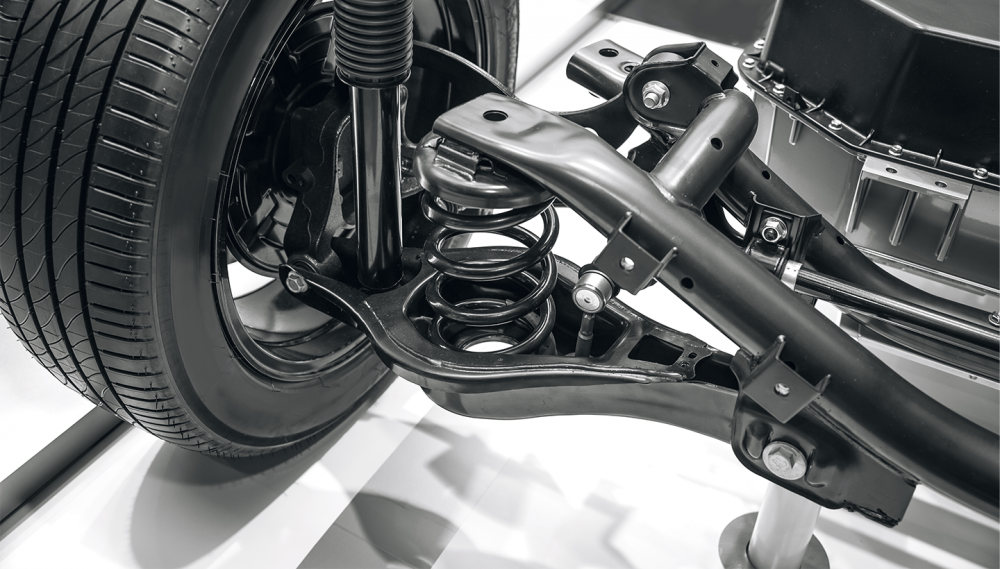
Torsion beam suspension is the most common type of semi-independent suspension. It uses a beam that twists when the wheels move. This beam acts like a spring, absorbing shocks from the road. The design keeps wheels aligned but allows slight movement. This improves ride comfort without adding complexity.
The torsion beam connects the rear wheels with a cross member. When one wheel hits a bump, the beam twists. This twist reduces the impact on the other wheel. The system is light, strong, and easy to maintain.
Common Applications
Semi-independent suspensions often appear in small and mid-size cars. They fit well in front-wheel-drive vehicles. This suspension type saves space, allowing more room inside the car. It also helps keep production costs down.
Many hatchbacks, sedans, and compact SUVs use torsion beam suspension. It suits vehicles that need a smooth ride on city roads. This system handles light to moderate driving conditions well. It is not ideal for very rough terrain or sports cars.
Air Suspension Systems
Air suspension systems use air-filled bags instead of metal springs. These systems provide a smooth ride and better control. They adjust to road conditions and load changes easily. Many luxury and heavy-duty vehicles use air suspension for comfort and performance.
Air suspension can change the height of the car. This feature helps with driving on different terrains and improves fuel efficiency. It also helps in reducing wear on other car parts.
How Air Springs Work
Air springs are rubber bags filled with compressed air. The air pressure supports the vehicle’s weight. Sensors detect changes in load or road conditions. The system adds or releases air to keep the ride stable and smooth. This process replaces traditional metal springs.
Adjustable Ride Height
Air suspension allows drivers to raise or lower the car. Lowering improves handling and fuel use on highways. Raising helps clear obstacles and rough roads. Drivers can adjust height at the push of a button. This feature is useful for different driving needs.
Pros And Cons
Pros include improved ride comfort and better handling. It adjusts automatically to load and road changes. It can also improve vehicle appearance and aerodynamics. Cons are higher cost and more complex repairs. Air bags may wear out faster than metal springs. Maintenance can be more expensive over time.

Credit: gexhaust.com
Hydropneumatic Suspension
Hydropneumatic suspension is a unique system that uses fluid and gas to support the car’s weight. It offers a blend of comfort and control. This technology adjusts the ride height and stiffness automatically. Drivers enjoy a smooth and steady journey on rough roads or highways.
System Components
The system has three main parts: hydraulic fluid, gas spheres, and suspension arms. Hydraulic fluid moves through pipes to change pressure. Gas spheres act like springs, cushioning bumps. Suspension arms connect the wheels to the car body. A pump keeps the system active by moving the fluid.
Smooth Ride Features
The system adapts to different road surfaces quickly. It keeps the car level when carrying heavy loads. Bumps and potholes feel less harsh inside the car. It reduces vibrations and noise for a calm ride. The suspension height can change for better ground clearance.
Typical Vehicles Using It
Luxury cars often use hydropneumatic suspension for comfort. Some SUVs use it for off-road capability and smoothness. Certain Citroën models are famous for this system. Heavy vehicles like trucks and buses sometimes use it. This system suits vehicles needing both comfort and load support.
Active And Adaptive Suspensions
Active and adaptive suspensions represent advanced technology in car suspension systems. These systems adjust the vehicle’s ride and handling in real time. They offer a smoother ride and better control than traditional suspensions. By using sensors and electronic controls, they respond quickly to road conditions and driving style.
Real-time Adjustments
Active and adaptive suspensions change settings instantly. This happens while the car is moving. The system stiffens or softens the suspension based on road bumps, curves, and speed. This helps keep the car stable and comfortable. It reduces body roll and improves grip on the road.
Sensors And Controls
Multiple sensors gather data about the vehicle’s movement and environment. These include accelerometers, wheel speed sensors, and gyroscopes. The data goes to a control unit that processes it quickly. The control unit then adjusts the suspension components. This ensures the best possible ride and handling for any condition.
Improved Performance
Active and adaptive suspensions enhance both comfort and safety. The car adapts to rough roads smoothly. It also improves cornering by keeping the tires firmly on the ground. Drivers feel more confident and in control. These suspensions offer a balance between ride quality and sportiness.
Credit: wuling.id
Factors Influencing Suspension Choice
Choosing the right car suspension depends on many key factors. These factors affect comfort, control, and cost. Understanding them helps in picking the best suspension for your needs.
Vehicle Type And Usage
Different vehicles need different suspensions. A sports car needs firm suspension for better handling. A truck needs strong suspension to carry heavy loads. Everyday cars focus on comfort. The way you use the vehicle shapes your suspension choice.
Cost Considerations
Suspension systems vary in price. Some are simple and cheap, others are complex and costly. Budget limits often guide the choice. More expensive suspensions may offer better performance but cost more to buy and fix.
Maintenance Needs
Some suspensions require more care than others. Regular checks and repairs keep them working well. Simple suspensions usually need less maintenance. Complex systems can need special tools and skills. Consider how much time and money you can spend on upkeep.
Future Trends In Suspension Technology
Car suspension technology is evolving fast. New systems promise better comfort and safety. These changes will shape how cars perform in the future. Innovations focus on smart and adaptive components. They respond quickly to road conditions and driving styles. The goal is smoother rides and improved control.
Electromechanical Systems
Electromechanical suspensions use electric motors instead of traditional parts. These systems adjust stiffness and height instantly. They react faster than hydraulic or pneumatic types. This leads to better handling and less body roll. Energy use is lower, helping with fuel efficiency. Also, these systems need less maintenance over time.
Integration With Autonomous Vehicles
Self-driving cars require advanced suspension systems. Suspensions must work with sensors and AI software. They adjust to road changes without driver input. This improves passenger comfort and safety. Suspensions will communicate with other car systems. Together, they create a smoother and safer ride experience.
Conclusion
Car suspensions affect ride comfort and vehicle control. Different types serve different driving needs. Some focus on smooth rides, others on handling rough roads. Choosing the right suspension helps improve safety and driving pleasure. Understanding these types makes car shopping easier.
Keep in mind your driving style and road conditions. This knowledge guides better decisions about your vehicle. Explore and learn what fits you best. Driving feels better with the right suspension system.