
If you love off-roading or need reliable tires for tough, muddy conditions, understanding the types of mud-terrain tires is key. Choosing the right tire can make a huge difference in how your vehicle handles rough trails and slippery surfaces.
You’ll discover the main types of mud-terrain tires, what makes each unique, and how to pick the perfect one for your adventures. Keep reading to make sure your next ride is safe, strong, and ready to conquer any mud you face.
Mud-terrain Tire Basics
Mud-terrain tires are designed for rough, soft, and muddy surfaces. They offer better grip and control in off-road conditions. These tires differ from regular ones in tread design and durability. Understanding their basics helps in choosing the right tire for your needs.
These tires handle mud, rocks, and dirt with ease. They also resist damage from sharp objects. Knowing the key features and uses helps maximize their benefits.
Key Features
Mud-terrain tires have large, deep treads. These treads clear mud and dirt quickly. The sidewalls are strong to resist cuts and punctures. Tires use special rubber compounds for durability. Open tread patterns improve self-cleaning ability. The design focuses on traction and toughness.
Performance Benefits
They provide excellent traction on soft surfaces. Mud and dirt do not clog the treads easily. Tires maintain grip in wet and slippery conditions. They improve vehicle control on uneven ground. The strong sidewalls protect against off-road hazards. These tires also offer good durability over time.
Common Applications
Mud-terrain tires suit off-road driving and adventures. They are popular for trucks, SUVs, and 4×4 vehicles. These tires work well on farms and construction sites. They help drivers in muddy trails and rough terrains. Many use them for outdoor sports and exploration. Ideal for places with frequent mud and dirt.
Credit: www.utires.com
Aggressive Tread Patterns
Aggressive tread patterns define mud-terrain tires. They give these tires the strength to handle rough, muddy surfaces. The bold design boosts grip and prevents slipping. These patterns have special features that help the tire work well in tough conditions.
Deep Lugs And Voids
Deep lugs are the raised parts of the tread. They dig into mud and dirt for better hold. Voids are the spaces between these lugs. They allow mud to escape, stopping buildup on the tire. This keeps the tire gripping the surface well.
Self-cleaning Design
This design helps the tire clear mud as it rolls. Mud falls out from the wide gaps between lugs. This stops the tire from getting clogged. It keeps the tire ready to grip at all times.
Traction In Mud And Dirt
The aggressive pattern improves traction on soft surfaces. The deep lugs grab the ground firmly. The spaces let the tire bite into loose dirt. This creates steady movement through mud and dirt trails.
All-terrain Vs Mud-terrain
Choosing between all-terrain and mud-terrain tires can be tough. Both types serve different purposes and fit various driving needs. Understanding their key differences helps in picking the right tire for your vehicle and adventure style.
All-terrain tires offer a balance between on-road comfort and off-road grip. Mud-terrain tires focus mainly on tough, muddy, and rocky surfaces. Each tire type has unique features to meet specific driving challenges.
Tread Design Differences
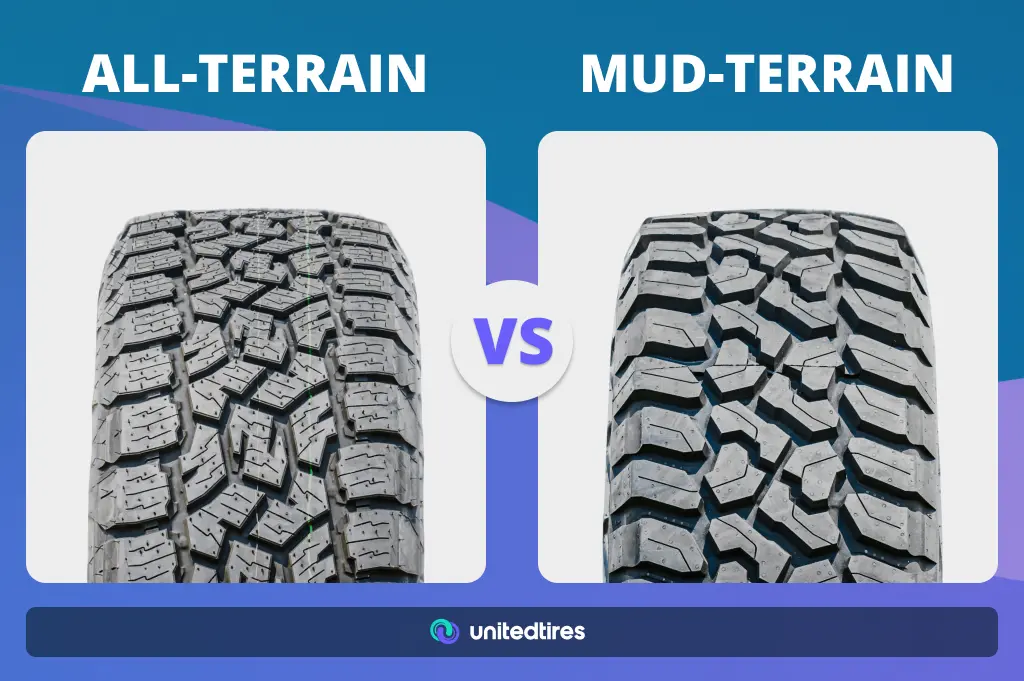
All-terrain tires have moderate tread blocks. These blocks provide good traction on both pavement and dirt roads. The tread pattern is tighter, reducing noise and improving fuel efficiency.
Mud-terrain tires feature large, deep tread blocks with wide gaps. These gaps help clear mud and debris quickly. The aggressive design boosts grip in soft, muddy terrain but can be noisy on paved roads.
On-road Comfort
All-terrain tires offer smoother rides on highways and city streets. Their tread design reduces road noise and vibration. Drivers can expect better handling and less tire wear on pavement.
Mud-terrain tires often feel rough on paved surfaces. The large tread blocks cause more road noise. The ride can be bumpier and less stable at high speeds.
Off-road Capabilities
All-terrain tires perform well on gravel, dirt trails, and light mud. They provide decent grip without sacrificing too much comfort. These tires suit drivers who need versatility for mixed terrain.
Mud-terrain tires excel in deep mud, loose sand, and rocky trails. Their aggressive tread grips uneven surfaces and prevents slipping. These tires are best for serious off-road adventures and tough conditions.
Popular Mud-terrain Tire Types
Mud-terrain tires come in several types, each built for different off-road needs. Choosing the right type helps improve vehicle control and safety on muddy trails. These tires vary in construction and tread design. Below are the most popular mud-terrain tire types used by off-road drivers.
Radial Mud-terrain Tires
Radial mud-terrain tires have layers of steel belts running across the tire. This design offers better traction and longer tread life. They provide a smoother ride on rough surfaces. Radial tires handle heat well, making them great for high-speed driving on mud. They also improve fuel efficiency compared to other types.
Bias-ply Mud-terrain Tires
Bias-ply mud-terrain tires have layers of fabric cords placed diagonally. This makes the tire sidewall stronger and more flexible. These tires excel in heavy off-road use and rough terrain. They resist punctures and cuts better than radial tires. The ride may feel rougher, but they offer excellent durability in mud and rocks.
Hybrid Designs
Hybrid mud-terrain tires combine features of radial and bias-ply types. They offer a balance of traction, durability, and comfort. These tires often have reinforced sidewalls with radial tread patterns. Hybrids work well for mixed driving, both off-road and on highways. They provide good grip in mud while maintaining a stable ride.
Choosing Tires By Terrain
Choosing the right mud-terrain tires depends on the type of terrain you drive on. Different terrains need different tire designs and features. Picking the correct tires improves vehicle control and safety. It also protects the tires from damage and wear. Knowing your terrain helps you make a smart choice for your tires.
Soft Mud Conditions
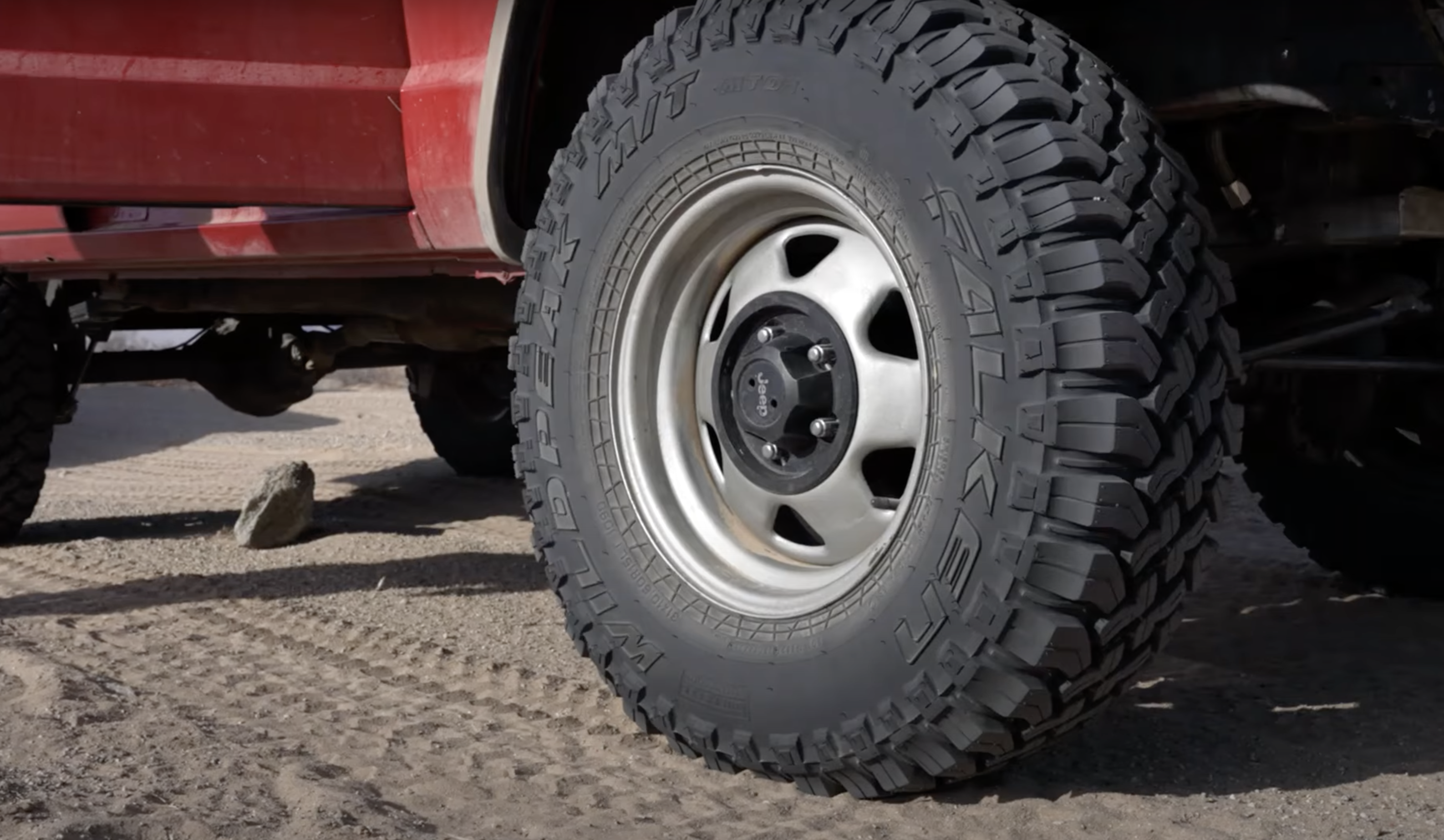
Tires for soft mud have deep and wide treads. These treads dig into the mud for better grip. They also help clear mud from the tire surface quickly. This prevents slipping and getting stuck. Soft mud tires are usually made with strong sidewalls to avoid punctures.
Rocky Terrain
Rocky terrain tires have tough, thick rubber to resist cuts and tears. Their tread pattern is less deep but very rugged. This design offers good traction on sharp rocks and uneven surfaces. The tires often have reinforced sidewalls for extra protection. They provide stability and prevent tire damage in rough areas.
Mixed Surfaces
Tires for mixed surfaces balance features for mud and hard ground. Their tread pattern has medium depth with strong blocks. This design works well on dirt, gravel, and some mud. Mixed surface tires offer good grip and comfort on varied roads. They are the best choice for drivers who face different terrains often.
Credit: www.falkentire.com
Durability And Construction
Durability and construction are key features of mud-terrain tires. These tires face tough conditions. They need to last long and handle rough surfaces well. Strong design helps tires survive harsh off-road challenges. Quality materials and smart engineering improve tire life. Below are important parts of their durability and construction.
Sidewall Strength
Sidewalls protect tires from cuts and tears. Mud-terrain tires have thicker sidewalls than regular tires. This extra strength stops damage from rocks and roots. Strong sidewalls also support the tire when driving on rough ground. They help prevent punctures and keep tires stable.
Puncture Resistance
Good mud-terrain tires resist punctures well. They use special layers inside the tire to block sharp objects. These layers act like armor against nails and sharp stones. Puncture resistance means fewer flats and safer drives. It also saves money on repairs and replacements.
Tire Compounds
Tire compounds are the rubber mixes used in tires. Mud-terrain tires use harder compounds for longer wear. These compounds resist cuts and cracking in tough conditions. They keep the tire flexible but tough. The right compound improves grip and tire life on mud and rocks.
Tire Size And Fitment
Mud-terrain tires must fit your vehicle well for best performance. Size and fitment affect safety, handling, and tire life. Choosing the right size helps the tire work better in mud and rough conditions. Each tire has specific measurements to match your wheels and vehicle. Understanding these details avoids problems on and off the road.
Diameter And Width
Diameter is the total height of the tire from top to bottom. Larger diameters give better ground clearance for off-road driving. Width is the distance across the tire’s tread. Wider tires offer more grip on soft surfaces like mud. But very wide tires might rub against your vehicle parts. Balance size and width for smooth driving and good traction.
Load Ratings
Load rating shows how much weight a tire can carry safely. Heavy vehicles need tires with higher load ratings. Using tires with low load ratings can cause damage or blowouts. Check your vehicle’s recommended load rating before buying mud-terrain tires. Proper load ratings protect your vehicle and improve tire durability.
Compatibility With Vehicles
Not all mud-terrain tires fit every vehicle. Check your wheel size and vehicle clearance first. Some tires require modifications like lift kits to fit properly. Make sure the tire fits the wheel rim and does not hit suspension parts. Correct fitment keeps driving safe and maintains vehicle balance. Always follow your vehicle’s manual for tire size advice.
Maintenance Tips
Maintaining mud-terrain tires is key to keep them working well. Proper care helps the tires last longer and perform better on rough surfaces. Simple steps can make a big difference in safety and tire life.
Cleaning And Inspection
Clean tires after every off-road trip. Use water and a soft brush to remove mud and dirt. Check for cuts, cracks, or stones stuck in the tread. Early detection of damage stops problems from getting worse. Clean tires also grip better on tough terrain.
Rotating Tires
Rotate tires every 5,000 to 7,000 miles. This evens out wear and extends tire life. Swap front tires with back ones in a pattern recommended by the tire maker. Regular rotation helps keep balanced handling and traction.
Pressure Management
Check tire pressure often. Use a good pressure gauge for accuracy. Keep pressure at the level suggested by the vehicle or tire brand. Too low pressure causes faster wear and poor fuel use. Too high pressure lowers grip and comfort. Correct pressure improves safety and tire performance.
Credit: murraystirebargains.com
Conclusion
Choosing the right mud-terrain tires affects your driving experience a lot. Different tires suit different terrains and needs. Some tires offer better grip in mud, while others work well on rocks or sand. Understanding tire types helps you pick the best fit for your vehicle.
This keeps you safe and improves performance off-road. Remember, good tires make your adventures easier and more fun. Take your time to choose wisely for every trip.