
If you want your car to handle better, accelerate faster, and feel more connected to the road, choosing the right performance tires is key. But with so many types available, it can be confusing to know which one fits your driving style and needs.
You’ll discover the main types of performance tires and how each can transform your driving experience. By the end, you’ll feel confident picking the perfect set to boost your car’s performance and your own driving pleasure. Keep reading to find out which tires match your goals and make every drive more exciting.
High-performance Summer Tires
High-performance summer tires are built for drivers who want speed and control on dry roads. These tires provide excellent grip and handling during warm weather. They are not made for cold or wet conditions. Their design focuses on maximizing traction and stability.
Design And Material Features
These tires use softer rubber compounds that stay flexible in warm temperatures. The tread patterns are shallow with wide grooves. This design helps increase road contact and improve cornering. The tires often have reinforced sidewalls for better stability at high speeds.
Ideal Driving Conditions
High-performance summer tires work best on dry and warm roads. They perform well in temperatures above 45°F (7°C). These tires are suitable for sports cars and performance sedans. They are not good for snow, ice, or heavy rain.
Pros And Cons
Pros include excellent grip, faster response, and better handling. These tires improve braking on dry surfaces. Cons are reduced performance in cold or wet weather. They wear faster than all-season tires. Not suitable for winter driving conditions.
Ultra-high Performance Tires
Ultra-high performance tires offer excellent speed and control. They are designed for sports cars and powerful sedans. These tires provide better traction on dry and wet roads. Drivers who want sharp handling and fast response choose these tires.
Speed Ratings Explained
Speed ratings show the maximum speed a tire can handle safely. Ultra-high performance tires often have speed ratings from H to Y. This means they can support speeds from 130 mph to 186 mph or more. Always select tires that match or exceed your car’s top speed.
Handling And Grip
These tires deliver strong grip on corners and curves. Their rubber compounds and tread patterns improve road contact. This helps the car stay steady at high speeds. Handling feels precise and controlled, making driving more confident.
Best Uses
Ultra-high performance tires suit sporty driving and quick acceleration. They work well on dry and wet pavement but not on snow or ice. These tires fit vehicles used for daily driving and weekend fun. Perfect for drivers who value speed and control.
All-season Performance Tires
All-season performance tires offer a smart choice for drivers who want good speed and grip all year. These tires blend features from both summer and winter tires. They provide steady performance in many weather conditions. Ideal for places with mild winters, they keep your drive smooth from spring to fall.
Balancing Speed And Versatility
All-season performance tires balance fast response with everyday use. Their tread design helps grip the road during quick turns. These tires give enough traction for safe driving on dry and wet roads. They may not match summer tires for pure speed but offer more flexibility. This balance suits drivers who want speed and comfort.
Weather Adaptability
These tires handle rain, light snow, and dry roads well. Their rubber compounds stay flexible in cooler temperatures. This trait improves grip in cold weather but not in heavy snow. All-season tires shed water to reduce hydroplaning risks. They perform better than summer tires in cold weather but less than winter tires.
Performance Trade-offs
All-season performance tires have limits in extreme conditions. They do not perform as well on ice or deep snow. Their tread wears faster than regular all-season tires due to softer rubber. These tires may produce more road noise than summer tires. Drivers trade some peak performance for year-round convenience and safety.
Track And Racing Tires
Track and racing tires are built for speed and control on the racecourse. They differ greatly from regular tires. These tires focus on performance, handling, and safety at high speeds. Drivers and racers rely on them to push their cars to the limit.
These tires offer superior grip and stability. They allow quick cornering and fast acceleration. The design and material choices make all the difference on the track.
Specialized Construction
Track and racing tires use unique materials and structures. They have a softer rubber compound than regular tires. This helps them stick better to the track surface. The tires also have reinforced sidewalls for stability during sharp turns. Their tread patterns are minimal or slick to maximize contact with the road.
Maximizing Grip On Track
Grip is the most important feature of racing tires. These tires are designed to hold the car firmly on the track. Softer rubber heats up quickly and becomes sticky. This stickiness improves traction and control. The wider surface area spreads the pressure evenly. This helps maintain grip during fast cornering and braking.
Safety Considerations
Racing tires need frequent checks for wear and damage. Their soft compounds wear out faster than normal tires. Worn tires lose grip and can cause accidents. Drivers must replace them often to stay safe. Proper tire pressure is also critical. Incorrect pressure can reduce performance and increase risks.
Performance Winter Tires
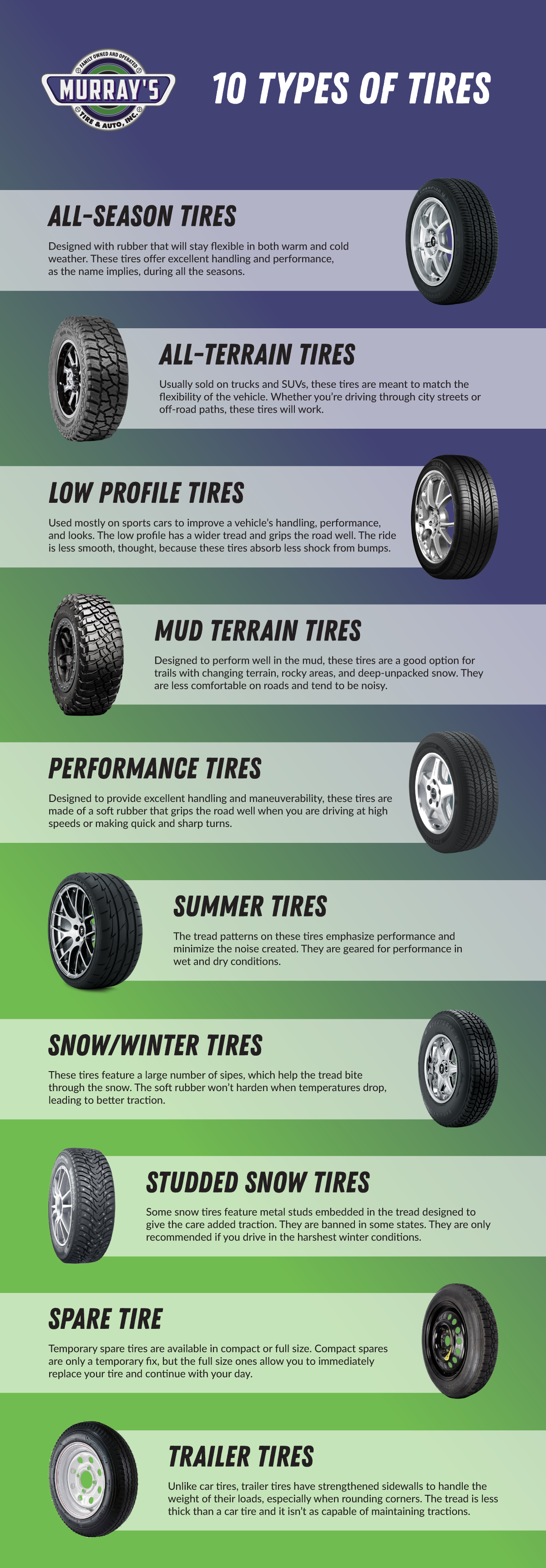
Performance winter tires are built for cold weather and snowy roads. They help drivers keep control and safety during winter months. These tires use special rubber that stays soft in low temperatures. This softness improves grip on ice and snow. They also have unique designs to clear snow quickly and reduce slipping.
Tread Patterns For Cold Weather
Winter tires have deep grooves and many small cuts called sipes. These sipes create extra edges to grip ice and snow. The tread patterns help channel water and slush away from the tire. This reduces the risk of hydroplaning on wet roads. The design also helps the tire bite into snow for better traction.
Maintaining Speed And Control
Performance winter tires keep your car stable at higher speeds. They provide better steering response than regular winter tires. The special rubber compound gives more flexibility for quick turns. This means drivers can maintain control on slippery roads. The tires also shorten stopping distances on ice and snow.
Limitations And Benefits
Winter tires do not work well on warm or dry roads. The soft rubber can wear out quickly in heat. They also create more rolling resistance, which may lower fuel efficiency. Despite these limits, performance winter tires greatly improve safety. They offer better grip and control in cold, snowy conditions. This makes driving in winter less risky and more comfortable.
Credit: murraystirebargains.com
Run-flat Performance Tires
Run-flat performance tires offer a unique advantage for drivers who want extra safety on the road. These tires allow you to keep driving even after a puncture or loss of air pressure. This feature helps avoid sudden stops in dangerous places and gives you time to reach a safe area or repair shop.
They are designed with special technology to support the vehicle’s weight without air. This design makes them different from regular tires and adds an extra layer of confidence for drivers.
Technology And Safety Features
Run-flat tires have reinforced sidewalls that hold the car’s weight during air loss. This strength lets you drive up to 50 miles at a limited speed. The tires also reduce the risk of tire blowouts and sudden air loss. Many run-flat tires come with tire pressure monitoring systems to alert you quickly. This combination improves overall safety on the road.
Impact On Driving Experience
Driving with run-flat tires feels stable even after a puncture. They maintain control and balance, avoiding sudden swerves. On smooth roads, these tires offer a firm ride. Some drivers notice a slightly harder feel compared to regular tires. Noise levels are similar to other performance tires. Overall, they give peace of mind without sacrificing much comfort.
When To Choose Run-flat
Choose run-flat tires if safety is a top priority. They suit drivers who often travel on highways or remote roads. These tires work well for those who want to avoid changing tires on busy roads. Also, they fit vehicles without a spare tire. Consider them if you want a quick response to tire damage. They are ideal for urban and long-distance driving.
Choosing The Right Performance Tire
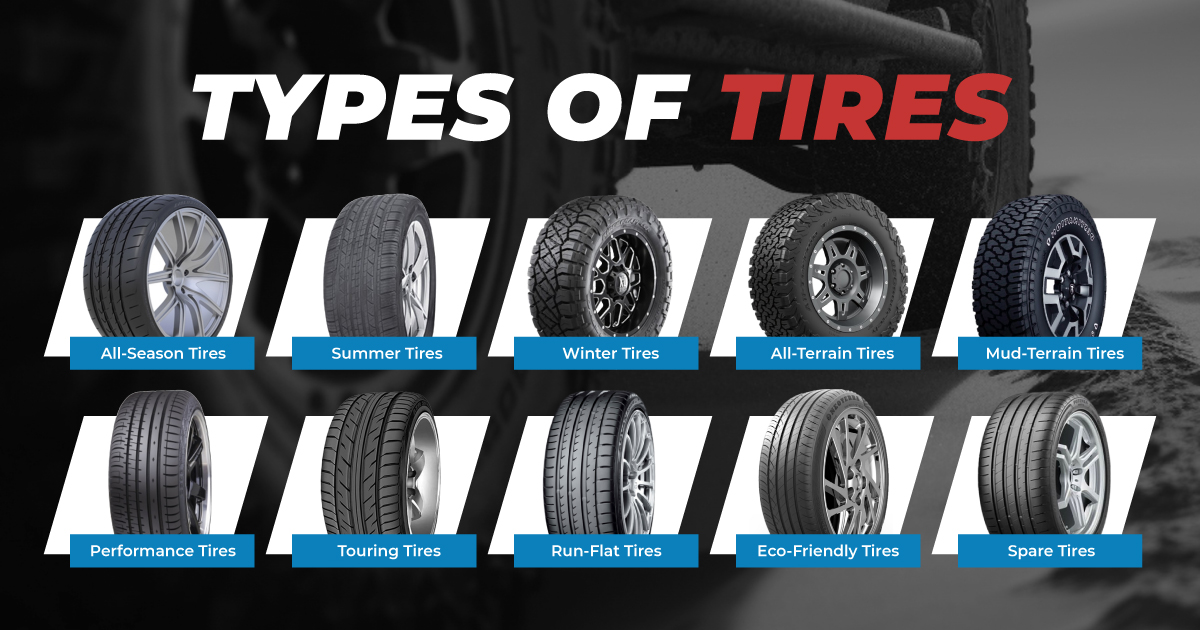
Choosing the right performance tire is key to getting the best from your car. The right tire can improve grip, handling, and safety. It depends on many factors like how you drive, where you drive, and your budget.
Matching Tires To Driving Style
Driving style changes what tire works best. Sporty drivers need tires that grip well in fast turns. Those who drive calmly may prefer tires that last longer. Tires designed for speed may wear out quickly. Think about how often and how fast you drive.
Considering Climate And Terrain
The weather and road types matter a lot. Wet or snowy places need tires with good water or snow grip. Dry and smooth roads allow different tire choices. Rough or off-road paths require stronger tires. Choose tires made for the climate and terrain you face daily.
Budget And Longevity
Price matters but so does tire life. High-performance tires can cost more but may wear faster. Cheaper tires might last longer but offer less grip. Find a balance between cost and how long the tire will serve you. Good tires save money on repairs and fuel.
Credit: www.tires-easy.com
Maintenance Tips For Performance Tires
Performance tires need regular care to stay safe and effective. Proper maintenance helps keep their grip and extends their life. Simple checks and adjustments make a big difference.
Proper Inflation And Alignment
Keep tires inflated to the pressure recommended by the car maker. Too much or too little air can reduce tire life and hurt handling. Check tire pressure every two weeks.
Wheel alignment keeps tires balanced and prevents uneven wear. Misaligned wheels cause pulling and reduce tire grip. Have alignment checked at least once a year.
Tread Depth And Wear Patterns
Measure tread depth often to ensure good traction. Worn tread lowers safety on wet or slippery roads. Replace tires once tread depth falls below 2/32 inch.
Look for uneven wear on tires. It may signal problems like bad alignment or suspension issues. Fix these problems early to avoid tire damage.
Storage And Seasonal Changes
Store performance tires in a cool, dry place away from sunlight. Heat and moisture can degrade tire rubber. Use tire bags or covers for extra protection.
Switch tires with seasons for best performance. Summer tires lose grip in cold, winter tires wear fast in heat. Change tires at the right time to stay safe.

Credit: www.youtube.com
Conclusion
Choosing the right performance tire depends on your driving needs. Some tires offer better grip on dry roads, while others work well in the rain. Think about where and how you drive most often. Each type brings specific benefits to improve control and safety.
Understanding these options helps you make smart choices. Drive with confidence, knowing your tires match your style. Safe travels start with good tires.