
When it comes to your car, the wheels play a crucial role in how it performs and feels on the road. But did you know that not all steel car wheels are the same?
Understanding the different types of steel wheels can help you make better choices for your vehicle’s safety, style, and durability. You’ll discover the key types of steel car wheels, what makes each unique, and how to pick the right one for your needs.
Keep reading to make sure your wheels work perfectly for you every time you drive.

Credit: www.tirebuyer.com
Steel Wheel Basics
Steel wheels are a common choice for many cars. They are strong and affordable. Understanding their basics helps you know why they are popular. Steel wheels offer durability and good performance under various conditions.
These wheels come in different types and designs. Knowing their material and how they are made is important. This knowledge helps you pick the right wheel for your car.
Material Composition
Steel wheels are made mostly from carbon steel. This type of steel has carbon mixed with iron. The carbon makes the steel harder and stronger. Other metals may be added to improve strength or resistance to rust.
The steel used must be tough to handle road impacts. It also needs to resist wear and tear. This ensures the wheel lasts a long time without damage.
Manufacturing Methods
Steel wheels are made using two main methods: stamping and casting. Stamping involves pressing steel sheets into shape. This method is fast and cost-effective.
Casting melts steel and pours it into molds. This creates complex shapes and designs. Casting makes wheels that are heavier but very strong.
Both methods produce wheels that meet safety standards. The choice depends on cost, design, and strength needs.
Common Steel Wheel Types
Steel wheels come in different types. Each type has unique features and uses. Knowing these types helps in choosing the right wheel for your vehicle. Common steel wheel types include stamped, forged, and spoke steel wheels.
These wheels vary in strength, design, and cost. Understanding their differences can improve vehicle performance and safety.
Stamped Steel Wheels
Stamped steel wheels are made by pressing sheet metal into shape. This process is fast and cost-effective. These wheels are strong and durable. They are common in many cars and trucks. Their design is simple but reliable.
Forged Steel Wheels
Forged steel wheels are made by shaping steel under high pressure. This method makes the wheels stronger than stamped ones. They resist bending and damage better. Forged wheels are heavier but offer great durability. They are often used in heavy-duty vehicles.
Spoke Steel Wheels
Spoke steel wheels have a classic design with multiple steel spokes. These wheels allow air to flow easily, helping cool brakes. They are lighter than solid steel wheels. Spoke wheels are common in older cars and motorcycles. Their style adds a vintage look.
Strength Features
Steel car wheels need strong features to perform well. Strength helps wheels carry heavy loads and face tough road conditions. Different types of steel wheels have unique qualities that affect their strength. Understanding these features helps choose the right wheel for your needs.
Load Capacity
Load capacity means how much weight a steel wheel can hold safely. It depends on the steel quality and wheel design. High load capacity wheels support heavy cars and trucks without bending or breaking. Choosing wheels with proper load capacity ensures safe driving and long wheel life.
Impact Resistance
Impact resistance shows how well a steel wheel handles shocks and hits. Roads have bumps, potholes, and debris that can damage wheels. Steel wheels with high impact resistance absorb shocks better. They reduce the risk of cracks and dents. This feature keeps wheels strong and reliable for daily use.
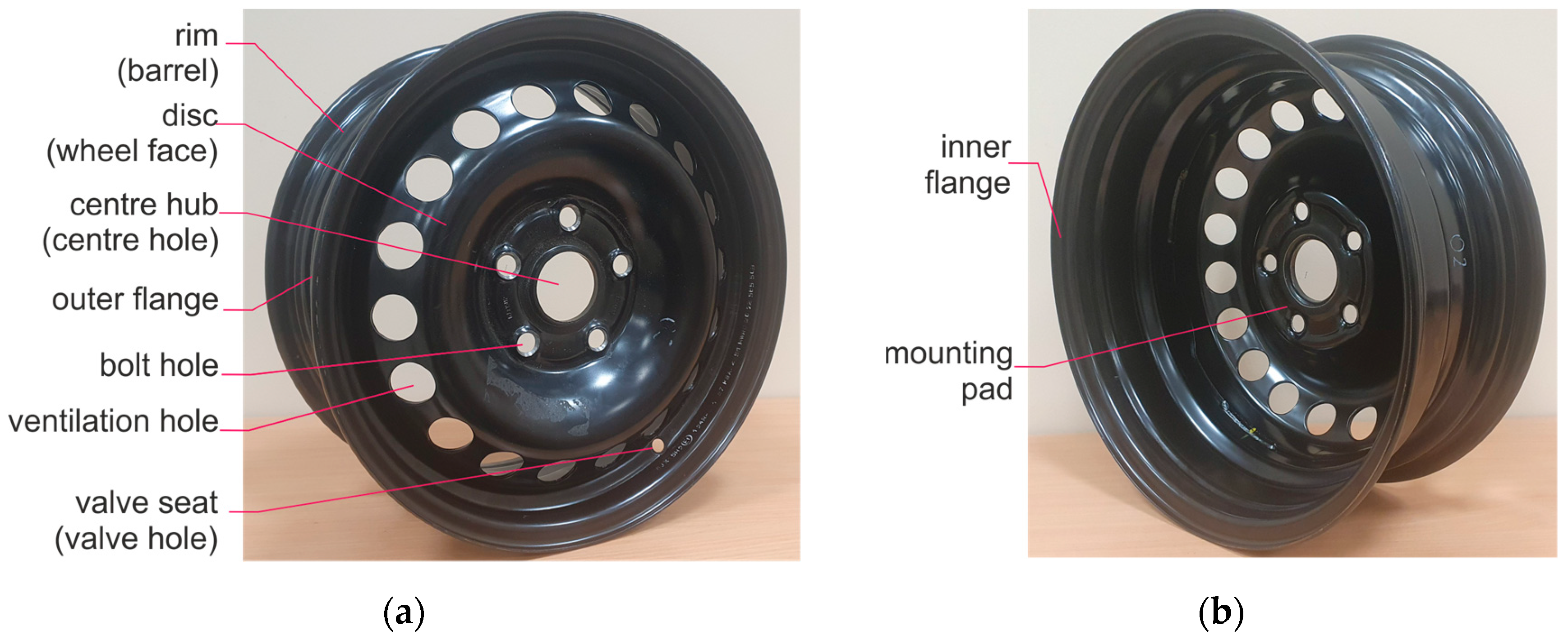
Credit: www.mdpi.com
Durability Factors
Durability is a key factor in choosing steel car wheels. It affects safety, performance, and long-term costs. Several elements influence how long steel wheels last and how well they handle tough conditions.
Corrosion Resistance
Steel wheels face water, salt, and dirt daily. These elements cause rust and corrosion. Wheels with good corrosion resistance last longer and stay strong. Special coatings or paints protect the steel surface. This protection keeps wheels from weakening over time. Corrosion-resistant wheels need less maintenance and repair.
Wear And Tear
Steel wheels endure constant pressure from driving. They face bumps, potholes, and rough roads. Strong steel resists dents and cracks better than weaker metals. The wheel’s thickness and design affect its toughness. Wheels that handle wear and tear well ensure safer rides. Regular checks help catch damage early and extend wheel life.
Comparing Steel Wheels With Other Materials
Steel wheels are popular for many vehicles. They offer strength and durability. Many drivers wonder how steel compares with other materials. Comparing steel wheels with aluminum and alloy helps understand their benefits and drawbacks. This guide breaks down these differences clearly.
Steel Vs. Aluminum
Steel wheels are heavier than aluminum wheels. This weight adds strength and toughness. Aluminum wheels are lighter, which can improve fuel efficiency. Steel resists bending and cracking better on rough roads. Aluminum wheels may get damaged more easily by impacts. Steel wheels usually cost less than aluminum wheels. Aluminum wheels often look more stylish and shiny. Steel wheels focus on function over appearance. Aluminum wheels help with faster acceleration and better handling.
Steel Vs. Alloy
Alloy wheels include aluminum mixed with other metals. Alloy wheels are lighter than steel wheels. This lightness improves car performance and fuel use. Steel wheels handle harsh conditions better. Alloy wheels may crack or chip under strong impact. Steel wheels are simpler and cheaper to repair. Alloy wheels offer more design options and colors. Steel wheels are better for winter driving with heavy snow. Alloy wheels suit drivers seeking style and smooth rides.
Maintenance Tips
Maintaining steel car wheels is important for safety and performance. Regular care helps wheels last longer and avoid costly repairs. Simple steps keep wheels clean and in good shape. This section covers key maintenance tips for steel car wheels.
Cleaning Techniques
Clean steel wheels often to remove dirt and brake dust. Use mild soap and water with a soft brush. Avoid harsh chemicals that can damage the wheel finish. Rinse thoroughly to remove all soap residue. Dry wheels with a soft cloth to prevent water spots. Regular cleaning prevents rust and keeps wheels looking good.
Inspection Practices
Check steel wheels regularly for cracks, dents, or rust spots. Look closely around the lug nuts and wheel edges. Use a flashlight to see hidden damage. Small issues can turn into big problems if ignored. Replace or repair damaged wheels quickly. Proper inspection keeps your car safe on the road.
Choosing The Right Steel Wheel
Choosing the right steel wheel is important for your vehicle’s safety and performance. The right wheel fits well and handles road conditions. It also helps your car drive smoothly and last longer. Understanding different factors makes choosing easier.
Vehicle Compatibility
Not all steel wheels fit every vehicle. Check the wheel size your car needs. Look at the bolt pattern and offset too. These details ensure the wheel fits your car’s hub correctly. Using the wrong size can cause damage or unsafe driving.
Driving Conditions
Think about where you usually drive. Rough roads may need stronger steel wheels. Smooth highways allow for lighter wheels. Weather also matters. Steel wheels resist rust well, good for wet places. Choose wheels that match your daily driving needs for best results.

Credit: wheelshome.com
Conclusion
Steel car wheels come in many types, each serving a specific need. Choosing the right wheel affects safety, performance, and cost. Understanding their differences helps you make smart decisions. Solid wheels offer strength, while alloy wheels are lighter. Spoke wheels provide a classic look but need care.
Knowing these basics makes car maintenance easier. Always match the wheel type to your vehicle and driving style. This knowledge keeps your car safe and running well. Keep learning about car parts to stay informed and confident.