
When it comes to choosing the right wheels, size matters more than you might think. The type of wheel size you pick can affect your ride’s comfort, performance, and even safety.
Whether you’re upgrading your car, bike, or any other vehicle, understanding the different wheel sizes is key to making the best choice. You’ll discover the main types of wheel sizes and how each one can impact your driving experience. Keep reading to find out which wheel size fits your needs perfectly and why it makes all the difference.
Common Wheel Sizes
Wheels come in many sizes. Each size fits different needs and uses. Choosing the right wheel size helps with comfort and control. It also affects speed and stability. Common wheel sizes fall into three main groups. These groups are small wheels, mid-size wheels, and large wheels.
Small Wheels
Small wheels usually range from 12 to 16 inches. They are light and easy to carry. Small wheels are common on kids’ bikes and folding bikes. They provide quick acceleration but can be less stable on rough roads. These wheels work well in tight spaces.
Mid-size Wheels
Mid-size wheels range from 17 to 24 inches. They balance speed and stability well. Many mountain bikes and city bikes use mid-size wheels. They offer good control on different surfaces. Mid-size wheels are popular for everyday riding and light off-road use.
Large Wheels
Large wheels are 26 inches and above. They roll over obstacles easily. Large wheels give a smooth ride on rough terrain. Many road bikes and mountain bikes have large wheels. These wheels are best for long distances and high speeds.
Wheel Size Measurements
Understanding wheel size measurements helps you choose the right wheels for your vehicle. These measurements affect how the wheel fits and performs. Knowing the key dimensions ensures safety and style.
Diameter
Diameter measures the wheel from one edge to the opposite edge. It is usually given in inches. Common sizes range from 14 to 22 inches. The diameter affects the tire size and ride quality. Larger diameters often mean a smoother ride but can reduce fuel efficiency.
Width
Width is the distance between the wheel’s inner edges. It is also measured in inches. A wider wheel can hold a wider tire, improving grip and stability. Narrow wheels are lighter and may improve fuel economy. Choosing the right width balances comfort and performance.
Bolt Pattern
The bolt pattern shows how many bolts hold the wheel to the hub. It also includes the distance between bolts. For example, a 5×114.3 pattern means 5 bolts spaced 114.3 mm apart. Matching the bolt pattern is crucial for proper fit and safety. Using the wrong pattern can cause wheel damage or accidents.
Impact On Performance
Wheel size plays a key role in how a vehicle performs on the road. Different sizes affect the car’s handling, comfort, and fuel use. Choosing the right wheel size can make driving safer and more enjoyable. Below, we explore how wheel size impacts performance.
Handling And Stability
Larger wheels often improve handling by increasing the tire’s contact with the road. This helps the car grip better during turns and quick maneuvers. Smaller wheels might feel less stable at high speeds but offer easier steering at low speeds. The right balance depends on driving style and road conditions.
Ride Comfort
Smaller wheels usually provide a smoother ride. They absorb bumps and road imperfections well. Larger wheels with low-profile tires can make the ride feel harder. This happens because less tire sidewall is available to cushion the impact. Comfort matters most for daily driving on rough roads.
Fuel Efficiency
Smaller wheels often help save fuel. They weigh less and create less rolling resistance. Larger wheels add weight and can reduce fuel economy. Extra weight makes the engine work harder. Choosing wheel size affects how far your car can go on a tank of gas.
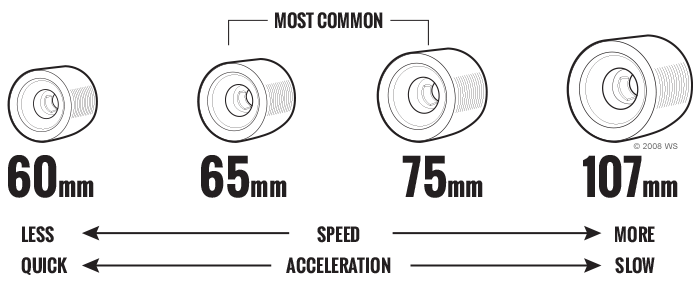
Credit: www.warehouseskateboards.com
Matching Wheels To Vehicles
Choosing the right wheel size is key to vehicle performance and safety. Wheels must fit the vehicle’s design and purpose. Properly matched wheels improve handling, comfort, and fuel efficiency. Different vehicles need different wheel sizes to work well.
Sedans And Compact Cars
Sedans and compact cars usually use smaller wheels. Sizes between 14 and 17 inches suit them best. Smaller wheels help keep the ride smooth and fuel use low. They also fit well in tight spaces and city driving. Too large wheels can make the ride stiff and uncomfortable.
Suvs And Trucks
SUVs and trucks often need bigger wheels. Sizes from 17 to 22 inches are common. Bigger wheels handle rough roads and heavy loads better. They improve ground clearance and off-road ability. Using the right wheel size keeps these vehicles stable and strong.
Sports Cars And Performance Vehicles
Sports cars use larger wheels for better grip and control. Wheel sizes usually range from 18 to 20 inches. Larger wheels help with cornering and speed. They also give a sporty and aggressive look. Choosing the correct size helps maintain balance and safety at high speeds.
Material And Design Considerations
Choosing the right wheel size is about more than diameter. Material and design play key roles. These factors affect how your wheels perform and look. They also impact weight, strength, and durability. Understanding the differences helps you pick wheels that fit your needs and style.
Alloy Vs Steel Wheels
Alloy wheels are made from a mix of metals. They are lighter than steel wheels. This helps improve fuel efficiency and handling. Alloy wheels also offer more design options. Steel wheels are heavier but very strong. They are cheaper and resist damage better. Steel wheels suit rough roads and tough conditions.
Spoke Patterns
Spokes connect the wheel rim to the center hub. Different spoke patterns change the wheel’s look and strength. Thin spokes give a sporty style. Thick spokes add toughness and support. The number of spokes affects weight and balance. Simple patterns are easier to clean and maintain.
Weight And Durability
Lighter wheels improve acceleration and braking. They reduce strain on suspension parts. Alloy wheels usually weigh less than steel. Durability depends on material quality and design. Steel wheels handle impacts without bending easily. Alloy wheels may crack under heavy stress. Choose wheels that balance weight and strength for your driving needs.

Credit: www.shutterstock.com
Tips For Choosing The Right Size
Choosing the right wheel size matters for your vehicle’s safety and performance. The size affects handling, ride comfort, and fuel efficiency. Picking the wrong size can cause problems like poor control or tire wear. Use these tips to find the best fit for your car and driving style.
Checking Manufacturer Specifications
Start by reading your car’s manual or door sticker. Manufacturers list the recommended wheel sizes there. These sizes match your vehicle’s design and suspension. Using the suggested sizes keeps your car safe and balanced. Avoid guessing or choosing sizes much bigger or smaller than recommended.
Considering Driving Conditions
Think about the roads you drive on. Rough or uneven roads need smaller wheels with thicker tires. This setup absorbs shocks better. Smooth highways allow for larger wheels with thinner tires, improving handling. Weather matters too. Larger tires can help in snow or rain by providing better grip.
Balancing Style And Function
Wheels change your car’s look a lot. Bigger wheels look stylish and sporty. Smaller wheels focus on comfort and efficiency. Choose a size that fits your taste without harming performance. Keep in mind, bigger wheels can lower fuel economy and increase road noise. Find a good balance for daily use.
Common Mistakes To Avoid
Choosing the right wheel size is important for your vehicle’s performance and safety. Many people make mistakes when selecting wheels. These errors can cause problems with handling, comfort, and even damage. Avoid these common mistakes to keep your vehicle running smoothly and safely.
Oversizing Wheels
Oversizing wheels might look good but can harm your car. Larger wheels are heavier and can reduce fuel efficiency. They also affect acceleration and braking. Bigger wheels may not fit well in the wheel wells, causing rubbing issues. This can lead to tire damage and unsafe driving conditions.
Ignoring Tire Compatibility
Tires must match your wheels perfectly. Using the wrong tire size can cause poor handling and uneven wear. It may also confuse your speedometer and affect safety systems. Always check tire size recommendations before buying new wheels or tires. Proper fit ensures better performance and longer tire life.
Neglecting Suspension Impact
Changing wheel size can affect your suspension system. Bigger or heavier wheels put extra stress on suspension parts. This can lead to faster wear and costly repairs. Suspension tuning might be needed after changing wheel size. Ignoring this can reduce ride comfort and vehicle control.
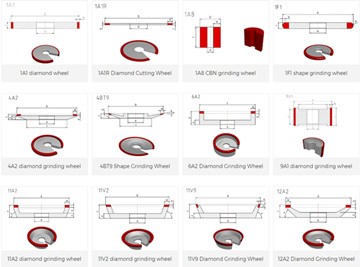
Credit: www.morediamondwheel.com
Conclusion
Choosing the right wheel size affects your vehicle’s look and performance. Smaller wheels offer a smooth ride, while larger ones improve handling. Always match wheel size with your car’s needs and road conditions. Understanding these types helps you make smart decisions.
Keep your vehicle safe and stylish by picking the best wheels. Simple choices lead to better driving experiences.