
Are you looking to improve your vehicle’s stance, handling, or overall look? Wheel spacers could be the simple upgrade you need.
But with so many types available, it’s easy to feel overwhelmed. Understanding the different kinds of wheel spacers will help you choose the right one for your car and driving style. Keep reading, and you’ll discover exactly what makes each type unique—and how to pick the perfect fit for your ride.
Benefits Of Wheel Spacers
Wheel spacers offer several benefits that improve your vehicle’s performance and look. They create extra space between the wheel and the hub. This simple change can make a big difference in how your car drives and appears.
Improved Handling And Stability
Wheel spacers widen the track of your vehicle. This wider stance helps the car stay more stable in corners. It reduces body roll and improves grip on the road. Drivers feel more control and confidence when driving fast or on rough roads.
Enhanced Aesthetic Appeal
Spacers push the wheels outward, aligning them with the fender. This gives the car a more aggressive and balanced look. It fills the wheel wells better and improves the overall style. Many car owners prefer this visual upgrade for a sportier appearance.
Increased Brake Clearance
Some wheel spacers create extra room for larger brake calipers. This space allows you to upgrade to bigger brakes without wheel fitment issues. Bigger brakes improve stopping power and safety. Spacers make this upgrade easier and more practical.
Credit: eccppautoparts.com
Bolt-on Wheel Spacers
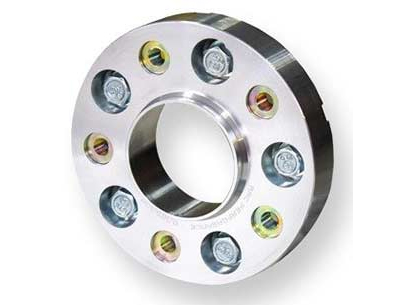
Bolt-on wheel spacers are a popular choice for many car owners. They help increase the width between the wheels. This improves the vehicle’s stability and appearance. These spacers are easy to install and remove, making them user-friendly. They fit between the wheel hub and the wheel itself. This type changes the bolt pattern, allowing wider or different wheels to fit your car.
Design And Installation
Bolt-on spacers have a simple design. They are made from strong metal, usually aluminum or steel. The spacer has holes matching the car’s bolt pattern. You place the spacer on the hub, then bolt it in place. The wheel is then attached to the spacer bolts. Installation needs basic tools and some care. Proper torque on bolts is important for safety. This type does not require wheel removal beyond normal wheel change.
Pros And Cons
Bolt-on spacers offer many benefits. They improve vehicle handling by widening the track. They allow fitting of larger or different wheels. These spacers are reusable and easy to remove. They also add an aggressive look to the car. On the downside, poor installation risks wheel vibration. They may cause extra stress on wheel bearings. Some spacers can affect wheel alignment if not chosen carefully. Always pick high-quality spacers to avoid problems.
Hub-centric Wheel Spacers
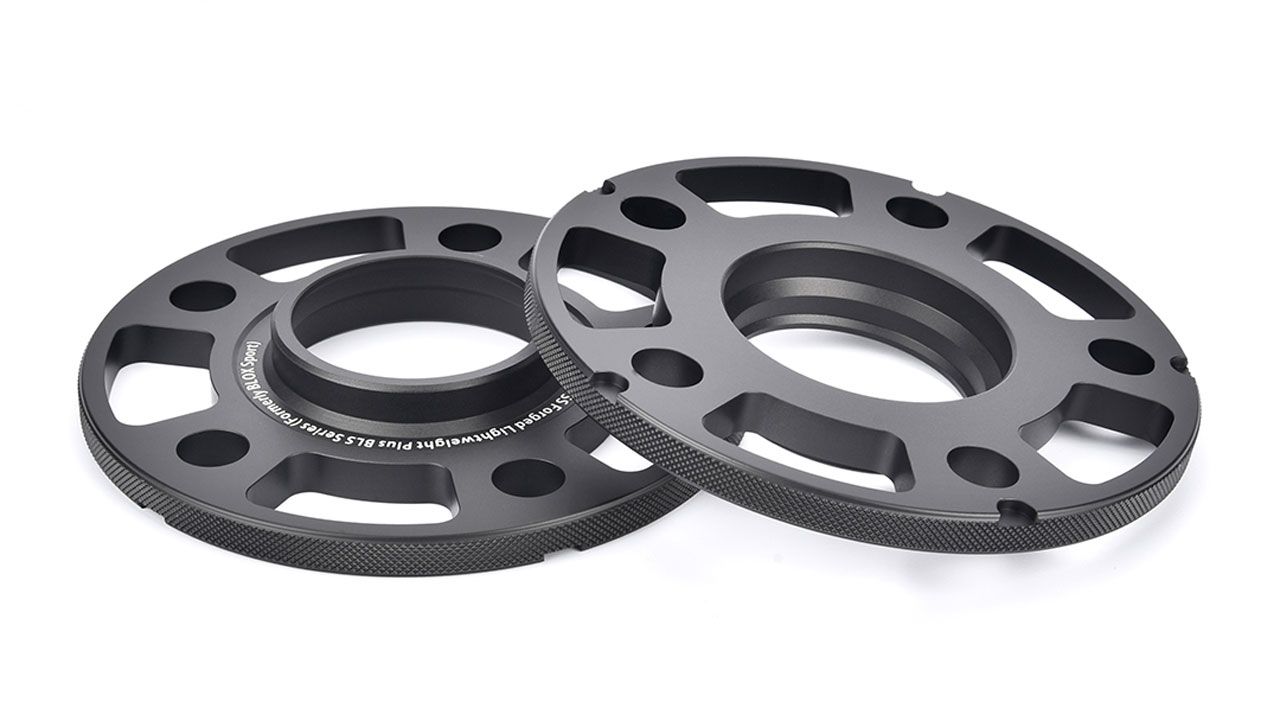
Hub-centric wheel spacers fit perfectly over the vehicle’s hub. They align the wheel and spacer with the hub center. This design reduces vibrations and ensures a secure fit. Hub-centric spacers are common for many vehicles due to their reliability. They improve wheel positioning without compromising safety or performance.
How They Work
Hub-centric spacers have a center ring. This ring fits snugly on the vehicle hub. It holds the spacer and wheel tightly in place. This precise fit prevents wobbling and vibrations. The spacer pushes the wheel outward for better stance or clearance. It keeps the wheel centered on the hub for smooth driving.
Advantages Over Other Types
Hub-centric spacers reduce wheel vibrations more than other spacers. They offer a safer, more stable ride. The tight fit lowers stress on wheel bolts and bearings. These spacers are easier to install correctly. They require less maintenance and last longer. Hub-centric spacers help maintain the vehicle’s original handling feel. They provide a clean and professional look to the wheels.
Slip-on Wheel Spacers
Slip-on wheel spacers are a popular choice for many car owners. They fit over the wheel hub and slide between the hub and the wheel. This design makes them easy to install without changing the wheel bolts or studs. They help widen the track of the car, improving stability and appearance.
These spacers come in different thicknesses and materials. Most are made from aluminum for strength and light weight. They are a cost-effective way to adjust wheel fitment and enhance vehicle stance.
Installation Process
First, remove the wheel from the car. Clean the hub surface to remove dirt and rust. Slide the slip-on spacer onto the hub. Make sure it sits flush against the hub surface. Next, place the wheel back over the spacer. Tighten the wheel bolts to the correct torque. Check that the spacer is secure and the wheel spins freely. Repeat for all wheels as needed.
When To Use Them
Slip-on spacers suit cars with hub-centric wheels. They work best for small adjustments in wheel offset. Use them to improve handling by widening the track. They also help avoid rubbing on suspension parts or brakes. Choose slip-on spacers for a simple, quick fitment upgrade.
Material Types
Wheel spacers come in various materials. Each type offers different benefits and drawbacks. Choosing the right material affects performance, durability, and cost. Below are common materials used for wheel spacers.
Aluminum Spacers
Aluminum spacers are lightweight and resist rust. They help keep the vehicle’s weight down. These spacers often have good heat dissipation. Aluminum is easy to machine for precise fits. They work well for daily driving and light performance use.
Steel Spacers
Steel spacers are heavier but very strong. They handle rough conditions and heavy loads well. Steel is more resistant to wear and damage. These spacers often cost less than aluminum. They suit trucks and off-road vehicles needing extra strength.
Composite Spacers
Composite spacers combine materials like plastic and fiberglass. They are light and sometimes cheaper. These spacers resist corrosion well. Composite materials may not be as strong as metal. They fit best on smaller cars for casual use.
Choosing The Right Spacer Size
Choosing the right spacer size is important for safety and performance. The correct size keeps your wheels aligned and your ride smooth. It also prevents damage to your vehicle’s suspension and brakes. Understanding how to measure and the effects on your vehicle helps you pick the best spacer.
Measuring Offset And Backspacing
Offset is the distance from the wheel center to the mounting surface. Positive offset means the mounting surface is toward the outside of the wheel. Negative offset means it is toward the inside. Backspacing is the distance from the mounting surface to the back edge of the wheel. Both measurements affect how far the wheel sticks out or tucks in.
Measure your current wheels first. Use a ruler or tape measure for accuracy. Compare the offset and backspacing to the spacer thickness. The spacer pushes the wheel outward by its thickness. Choose a spacer size that keeps your wheels within safe limits.
Impact On Vehicle Performance
Wheel spacers change how your vehicle handles. Larger spacers widen your track, which can improve cornering. But too large a spacer puts extra stress on wheel bearings and suspension parts. It may cause vibrations or uneven tire wear.
Correct spacer size keeps the steering stable. It protects suspension from damage. It also avoids rubbing tires against the fenders. Always balance the benefits with potential risks for your vehicle.
Safety Considerations
Wheel spacers change the position of your wheels. This affects how your car handles and performs. Safety is very important when using wheel spacers. Poor installation or wrong spacer choice can cause problems. Understanding safety helps keep your car stable and your ride smooth.
Proper Installation Tips
Always clean the hub and wheel surface before fitting spacers. Dirt or rust can stop the spacer from sitting flat. Use the right size and type of spacer for your vehicle. Tighten all bolts in a star pattern to spread pressure evenly. Check bolt torque after driving a short distance. Use new longer bolts designed for spacers to ensure a secure fit.
Potential Risks And How To Avoid Them
Using wrong size spacers can cause wheel wobble or vibration. Spacers that are too thick may strain suspension parts. Loose or uneven bolts can lead to wheel detachment. Avoid cheap or low-quality spacers to prevent metal fatigue. Regularly inspect spacers and bolts for signs of damage or rust. Replace any damaged parts immediately to maintain safety.

Credit: www.aeroflowdynamics.com
Maintenance And Longevity
Wheel spacers need care to last long and work well. Proper maintenance helps avoid problems. It keeps driving safe and smooth. Small checks can stop big damage. Regular attention extends the life of spacers. It ensures they fit tightly and hold wheels firmly.
Regular Inspection
Check wheel spacers often for tightness. Use a torque wrench to tighten bolts correctly. Look for rust or dirt that may cause issues. Clean spacers during inspections to keep parts clear. Inspect after driving on rough roads or off-road. Early checks help spot problems early. Make inspections part of your routine car care.
Signs Of Wear And Replacement
Watch for cracks or bends in spacers. Loose wheels or strange noises mean trouble. Rust can weaken metal and cause failure. If spacers look damaged, replace them quickly. Do not use worn spacers as they risk safety. Use new spacers that match your wheel size. Timely replacement keeps your ride safe and steady.
Credit: www.bonoss.com
Conclusion
Wheel spacers come in different types for various needs. Each type changes how your wheels fit and perform. Choose the right spacer to improve your vehicle’s look and handling. Always check the size and material before buying. Proper installation keeps your ride safe and smooth.
Understanding these basics helps you make a smart choice. Now, you can pick the best wheel spacer for your car.