
Have you ever wondered how the type of steering wheel in your car affects your driving experience? Your steering wheel is more than just a tool to control direction—it influences comfort, safety, and even your connection with the road.
You’ll discover the different types of car steering wheels and how each one can change the way you drive. Whether you want better control, a sportier feel, or added convenience, understanding these options will help you make smarter choices for your vehicle.
Keep reading to find out which steering wheel suits your style and needs best.

Credit: muxtech.com.pk
Classic Steering Wheels
Classic steering wheels bring a sense of nostalgia to any car. They have a timeless look that many drivers appreciate. These wheels often reflect the style of older cars from past decades. Their simple design focuses on function and style without modern gadgets.
Materials And Design
Classic steering wheels typically use wood, metal, or bakelite. Wood adds warmth and a vintage feel. Metal parts provide strength and support. The design is often thin and round. Some wheels feature a three-spoke layout. The center usually holds a simple horn button. These wheels lack modern controls or buttons.
Common Uses
Classic steering wheels appear mostly in vintage cars. Collectors and restorers prefer them for authenticity. Some custom builders use them to create retro-style vehicles. Classic wheels suit cars made before the 1980s. They are also common in muscle cars and old sports cars. Their look matches well with traditional interiors.
Advantages And Drawbacks
Classic wheels offer a strong vintage aesthetic. They feel smooth and comfortable to hold. They are lightweight compared to modern wheels. Yet, they lack modern safety features. No airbags or electronic controls are included. They can be less durable than plastic or rubber wheels. Maintenance may require special care for wood or bakelite. Not ideal for everyday driving in modern cars.
Credit: ohcmotors.com
Sport Steering Wheels
Sport steering wheels are designed for drivers who want better control and a sharper driving experience. They often have a smaller diameter than regular wheels, allowing quick and precise movements. These wheels enhance the feel of the road and improve handling during fast driving or tight turns.
Ergonomic Features
Sport steering wheels have shapes that fit hands comfortably. They often include thumb grips and contoured edges. These features reduce hand fatigue on long drives. Some models have flat bottoms for extra legroom and easier entry. The design helps drivers keep a firm grip without slipping.
Materials Used
High-quality materials make sport steering wheels durable and stylish. Common materials include leather, suede, and Alcantara. Leather offers a smooth and classic feel. Suede and Alcantara provide better grip, especially when hands sweat. Metal or carbon fiber trims add strength and reduce weight.
Performance Benefits
Sport steering wheels improve driving precision and response. Their smaller size allows faster steering input. The enhanced grip materials help maintain control during sharp turns. Drivers can react quickly to road changes. These wheels also add a sporty look to the car’s interior.
Wooden Steering Wheels
Wooden steering wheels bring a classic touch to any car’s interior. They offer a warm, natural feel that plastic or leather wheels cannot match. Often seen in vintage and luxury cars, wooden wheels stand out for their unique look and texture.
Aesthetic Appeal
Wooden steering wheels add elegance to car interiors. The natural grain of wood creates a rich, timeless style. Each wheel is unique because no two wood patterns are the same. This makes every wooden wheel special and eye-catching. They blend well with both modern and classic car designs.
Maintenance Tips
Wood needs care to stay beautiful and strong. Clean the wheel with a soft, damp cloth. Avoid harsh chemicals that can damage the wood. Use wood polish to keep the shine and protect the surface. Regular checks help find cracks or wear early. Proper care extends the life of wooden wheels.
Historical Significance
Wooden steering wheels have a rich history in automobile design. Early cars often featured wood because metal was heavy and costly. Wood was easier to shape and gave good grip. These wheels remind us of the craftsmanship of past eras. Collectors value wooden wheels for their vintage charm and story.
Leather Steering Wheels
Leather steering wheels offer a blend of style and function. They feel soft yet firm, giving drivers a solid hold. Many car owners prefer leather for its classic look and smooth touch. These wheels add a sense of luxury inside the car.
Comfort And Grip
Leather steering wheels provide excellent comfort during long drives. The material adapts to hand warmth, making it cozy. Its texture helps prevent slipping, even with sweaty palms. This grip improves control and driving safety.
Types Of Leather
There are several leather types used for steering wheels. Full-grain leather is the highest quality, very durable and smooth. Top-grain leather is thinner but still strong and soft. Some wheels use synthetic leather, which is cheaper but less breathable.
Care And Durability
Leather steering wheels need regular cleaning to stay fresh. Use mild soap and a soft cloth to remove dirt. Avoid harsh chemicals that can dry or crack the leather. With proper care, leather wheels last many years without losing charm.
Multifunction Steering Wheels
Multifunction steering wheels are common in modern cars. They offer more than just steering. These wheels let drivers control many features without taking hands off the wheel. This adds comfort and ease to driving. They combine technology and safety in one tool.
Integrated Controls
Buttons and switches appear on the wheel’s spokes. Drivers can control audio volume, change radio stations, and answer phone calls. This keeps attention on the road. Controls for cruise control and voice commands also fit here. Everything is within thumb’s reach.
Tech Features
Multifunction wheels include touch-sensitive areas or small screens. Some have heating elements for cold days. Advanced models connect to car systems for navigation prompts. They support smartphone apps and media players. This brings useful tech directly to the driver.
Safety Enhancements
Using multifunction wheels reduces driver distraction. Drivers do not need to look away from the road. Hands stay on the wheel longer, improving control. Some wheels alert drivers with vibrations or sounds. These features help prevent accidents and keep driving safer.
Heated Steering Wheels
Heated steering wheels offer extra comfort during cold days. They keep your hands warm while driving. This feature is common in many modern cars. It makes driving easier in winter. No more cold, stiff hands on the wheel.
How They Work
Heated steering wheels have built-in heating elements. These elements are thin wires inside the wheel cover. When you turn on the heat, electricity warms the wires. The heat spreads evenly across the steering wheel. A temperature sensor helps control the heat level.
Benefits In Cold Weather
Warm hands improve grip and control on the wheel. Heated steering wheels reduce discomfort from cold. They help prevent numbness and stiffness in fingers. This feature also makes short trips more pleasant. You stay comfortable without wearing gloves.
Energy Consumption
Heated steering wheels use a small amount of power. They draw energy from the car’s battery. The power use is low compared to other heating systems. Using the heat for a short time saves energy. It does not affect the car’s fuel efficiency much.
Adjustable Steering Wheels
Adjustable steering wheels improve the driving experience by allowing drivers to change the wheel’s position. This feature helps drivers find a comfortable grip and better control. Many modern cars include adjustable steering wheels to meet different driver needs. It supports safer and more relaxed driving on every trip.
Types Of Adjustments
Steering wheels can adjust in several ways. Tilt adjustment moves the wheel up or down. Telescopic adjustment lets the wheel move closer or farther from the driver. Some wheels combine both tilt and telescopic adjustments. These options provide a wide range of positions for comfort.
Improving Driving Comfort
Adjustable steering wheels reduce strain on the arms and shoulders. Drivers can set the wheel to a natural position for their height and seating. This reduces fatigue during long drives. It also helps drivers keep a clear view of the dashboard. Comfort leads to better focus and safer driving.
Compatibility With Different Cars
Not all cars offer adjustable steering wheels. Many mid-range and luxury vehicles include this feature. Some aftermarket steering wheels also provide adjustability. It is important to check if the adjustments fit your car model. Proper fit ensures the wheel works safely and smoothly.

Credit: www.team-bhp.com
Custom And Aftermarket Steering Wheels
Custom and aftermarket steering wheels offer a way to personalize your car’s interior. They change the look and feel of your driving experience. Many drivers choose these wheels for style, comfort, or better control.
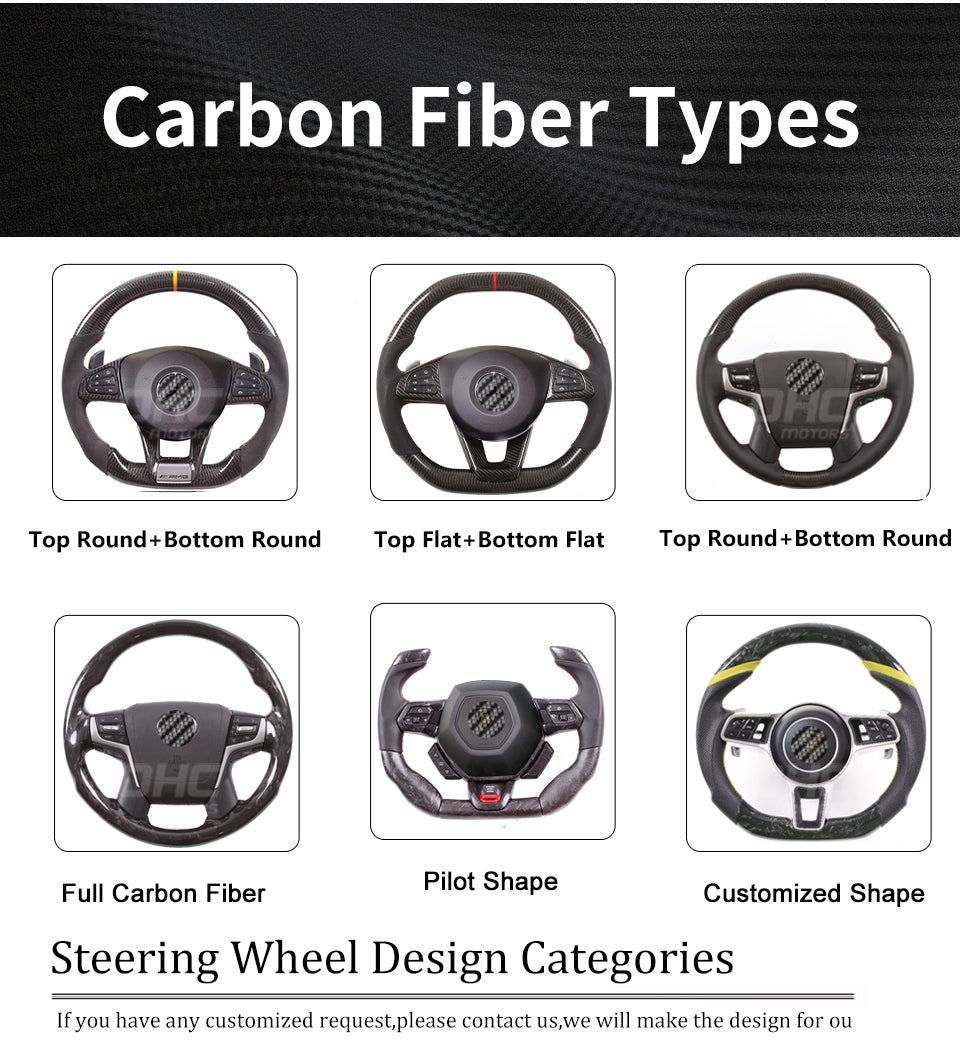
These wheels come in many shapes, sizes, and materials. You can find leather, wood, or even carbon fiber options. Some designs focus on sportiness, while others highlight elegance or vintage charm.
Customization Options
Customization options are vast. You can select different colors and materials for grip. Some wheels feature unique stitching or logos. Certain models include extra padding for comfort. Others offer a smaller diameter for quicker steering.
Many aftermarket wheels come with matching accessories. These include shift knobs, pedals, and seat covers. Such combinations create a cohesive interior theme. Personal touches make your car truly yours.
Installation Considerations
Installing a custom steering wheel requires care. You must remove the original wheel safely. Airbag systems need special attention to avoid damage. Professional installation is often recommended.
Compatibility with your car’s make and model is crucial. Some wheels need additional adapters or hubs. Wrong parts may cause loose fitting or poor control. Proper installation ensures safe and smooth driving.
Legal And Safety Issues
Legal rules about steering wheels vary by region. Some places restrict certain types of aftermarket wheels. Removing or disabling airbags can be illegal. This action puts driver safety at risk.
Always check local laws before buying or installing. Safety standards matter most on the road. A well-chosen, properly installed wheel keeps you protected. Remember, style should never compromise safety.
Conclusion
Choosing the right steering wheel affects your driving comfort and control. Different types offer unique features for various needs. From classic to sporty designs, each suits a different style. Understanding these options helps you pick what fits best. Safe and smooth driving starts with the right choice.
Keep these types in mind for your next car upgrade. Driving feels better with the steering wheel that matches you. Simple changes can improve your overall driving experience.