When was the last time you gave your vehicle a thorough check-up? Understanding the different types of vehicle inspections can save you from costly repairs and keep you safe on the road.
Whether you’re buying a new car, renewing your registration, or just making sure your ride runs smoothly, knowing what each inspection covers helps you make smarter decisions. You’ll discover the key inspections your vehicle needs and why they matter. Keep reading to protect your investment and drive with confidence.
Pre-trip Inspections
Pre-trip inspections help keep vehicles safe and reliable. Drivers check key parts before starting a journey. These checks reduce breakdown risks and avoid accidents. Spending a few minutes inspecting saves time and money later. Focus on simple steps to catch issues early.
Exterior Checks
Look at the vehicle’s body for damage or loose parts. Check mirrors and windows for cracks or dirt. Make sure all lights work, including brake and signal lights. Clean lights help other drivers see you clearly.
Fluid Levels
Check engine oil, coolant, brake fluid, and windshield washer fluid. Low fluid levels can cause engine problems or brake failure. Top off any fluids that are low before starting the trip.
Tire Condition
Examine tires for cuts, cracks, or uneven wear. Proper tire pressure is important for safety and fuel efficiency. Use a gauge to check tire pressure and inflate if needed.
Brake Functionality
Test brakes by pressing the pedal gently before driving. Brakes should feel firm, not soft or spongy. Listen for unusual sounds when applying brakes. Proper brakes ensure quick stops and safe driving.
Periodic Maintenance Inspections
Periodic maintenance inspections keep vehicles safe and running well. These checks happen at set times or mileage. They catch small problems before they grow. Regular inspections help avoid costly repairs and breakdowns. They also improve vehicle efficiency and lifespan.
Engine Performance
Engine checks focus on fuel and air flow. Mechanics test spark plugs and filters. They check for smooth idling and power. Proper engine care reduces fuel use. It also lowers the chance of engine failure.
Suspension And Steering
Suspension and steering parts affect ride comfort. Inspections look for worn shocks or struts. Mechanics test steering response and alignment. Good suspension keeps tires on the road. It improves handling and safety.
Electrical Systems
Electrical checks cover battery, lights, and wiring. They ensure all signals and lights work. The battery’s charge and connections get tested. Proper electrical function avoids roadside issues. It keeps vehicle systems reliable.
Emission Controls
Emission inspections check exhaust gases. They ensure pollution stays within limits. Mechanics inspect filters and catalytic converters. Clean emissions protect the environment. They help meet legal standards.
State Safety Inspections
State safety inspections check vehicles to keep roads safe. Each state has rules about what to inspect. These inspections help catch problems early. They focus on parts that affect driving safety directly.
Lights And Signals
Inspectors check all lights on the vehicle. Headlights, brake lights, and turn signals must work well. Proper lighting helps drivers see and be seen. Faulty lights can cause accidents at night or in bad weather.
Seat Belts And Airbags
Seat belts must be in good condition and work properly. Airbags need to be present and ready to deploy. These safety devices protect passengers during crashes. Inspectors ensure these systems meet safety rules.
Windshield And Mirrors
The windshield should be free of cracks and chips. Clear visibility is essential for safe driving. Mirrors must be in place and without damage. They help drivers see behind and beside the vehicle.
Horn And Wipers
The horn must sound loud and clear. It warns others of danger. Wipers should clean the windshield without streaks. Good wipers improve vision in rain or snow. Inspectors test these parts to confirm they work well.

Credit: www.chloesautorepair.com
Emissions Testing
Emissions testing checks the gases that come out of a vehicle’s exhaust. It helps reduce air pollution and keeps the air cleaner. Cars that pass this test meet environmental standards set by the government. This inspection plays a key role in protecting public health and the environment.
Pollutant Levels
The test measures harmful gases like carbon monoxide, nitrogen oxides, and hydrocarbons. These pollutants cause smog and breathing problems. The vehicle must stay below the allowed limits to pass. If levels are too high, repairs are needed before driving again.
Exhaust System Integrity
The exhaust system must be intact without leaks or damage. Leaks can let toxic gases escape before the test. Inspectors check pipes, mufflers, and the catalytic converter. A strong exhaust system helps reduce harmful emissions effectively.
Fuel System Checks
The fuel system affects how clean the engine runs. Inspectors look for leaks, faulty parts, or worn components. Problems here can increase pollution and lower fuel efficiency. Fixing fuel system issues often improves vehicle performance and emissions.
Commercial Vehicle Inspections
Commercial vehicle inspections are essential for safety and legal compliance. These inspections help identify any problems that could cause accidents or delays. They also ensure that vehicles meet industry standards and government rules.
Regular checks protect drivers, cargo, and other road users. They also reduce the risk of fines and costly repairs. Each inspection focuses on specific areas important for commercial vehicles.
Load Securement
Load securement checks ensure cargo is fastened properly. Loose or shifting loads can cause accidents and damage goods. Inspectors look for secure straps, chains, and bindings. They check that the load matches weight limits and is balanced.
Driver Logs And Documentation
Driver logs track hours and breaks to prevent fatigue. Inspectors review logbooks or electronic logging devices (ELDs). Proper documentation proves compliance with regulations. This step protects drivers from penalties and keeps roads safer.
Specialized Equipment Checks
Specialized equipment needs extra attention during inspections. This includes refrigeration units, lift gates, and hydraulic systems. Inspectors test functionality and safety features. Proper working equipment ensures smooth and safe operations.

Credit: a1roadworthys.wordpress.com
Post-repair Inspections
Post-repair inspections check a vehicle after fixing. They confirm repairs meet required standards. This step helps avoid future issues. The process focuses on safety and quality. Inspectors examine every repaired part carefully.
Quality Assurance
Quality assurance ensures repairs are done correctly. Inspectors check if parts fit well and work properly. They look for leaks, loose bolts, and paint defects. Each detail matters to keep the vehicle reliable. This step gives confidence in the repair job.
Safety System Validation
Safety system validation tests critical safety features. Inspectors verify airbags, brakes, and seat belts function well. They run tests to confirm sensors and alarms work. This step protects drivers and passengers from harm. Safety is the top priority in every inspection.
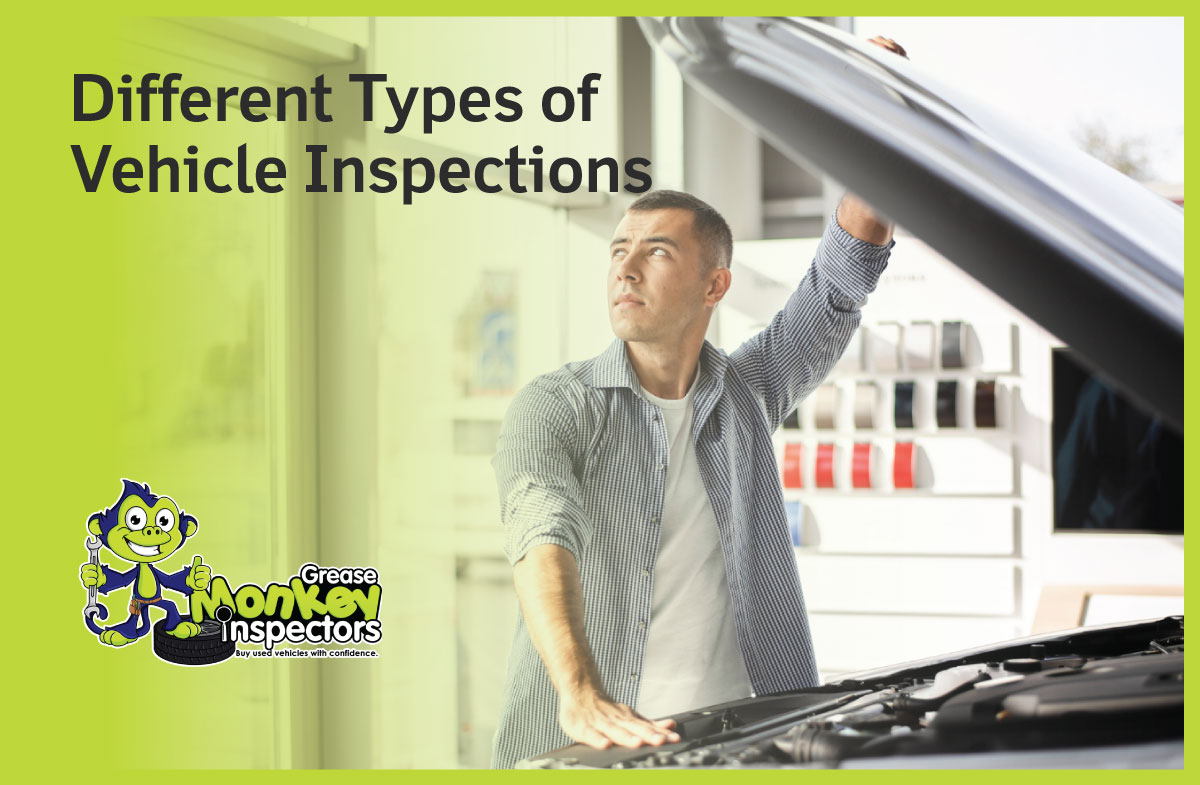
Credit: greasemonkeyinspectors.ca
Conclusion
Vehicle inspections help keep roads safe and vehicles reliable. Different inspections check different parts and systems. Regular checks find problems early and save money. Understanding inspection types helps you prepare better. Choose the right inspection for your vehicle’s needs. Stay informed and keep your vehicle in good shape.
Safe driving starts with proper vehicle care and checks.