
Have you ever looked out your window after a heavy snowfall and wondered, “Can snow actually break my windshield?” It’s a question that crosses many minds, especially when you see thick layers of snow piling up on your car. You might worry about the pressure from the snow or the ice buildup causing cracks or chips to get worse.
The truth is, while fresh snow alone rarely breaks a windshield, certain conditions related to snow and ice can put your glass at risk. If you want to keep your windshield safe this winter and avoid costly repairs, understanding how snow affects your windshield is key.
Keep reading, and you’ll discover what really happens when snow meets glass—and simple steps you can take to protect your car.
Snow Impact On Windshields
Snow can affect windshields in several ways beyond just covering them up. The cold and moisture create conditions that may harm the glass. Understanding these effects helps protect your windshield during winter months.
Snow alone rarely breaks a windshield, but combined with other factors, it can cause damage. The pressure from snow weight and ice formation plays a big role in windshield stress. Small cracks or chips can worsen under these conditions.
Weight And Pressure Effects
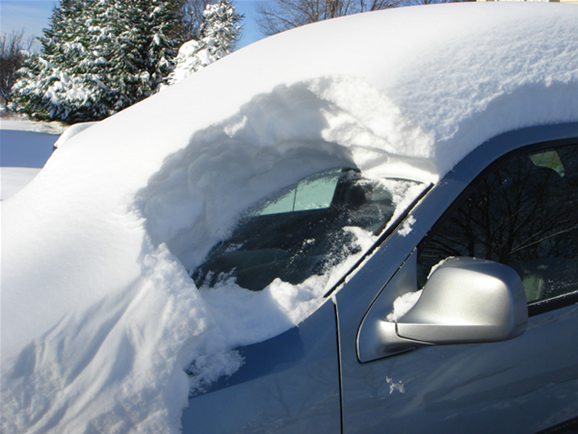
Snow buildup adds weight on the windshield surface. Heavy, wet snow exerts more pressure than light, fluffy snow. This pressure may strain the glass, especially on older vehicles.
While snow weight alone usually does not break windshields, it can cause stress. Over time, this stress may lead to cracks or chips growing larger. Clearing snow regularly reduces this risk.
Ice Formation And Expansion
Ice forms when melted snow refreezes on the windshield. This ice layer is hard and expands in cold temperatures. As it grows, it pushes against the glass surface.
Expansion of ice inside small chips or cracks causes them to widen. This process makes the damage worse and can lead to full cracks. Removing ice gently helps prevent this expansion damage.
Existing Damage Risks
Small chips and cracks already present in a windshield are vulnerable. Snow and ice increase the chance of these imperfections spreading. Cold weather causes the glass to contract and expand.
Temperature changes make weak spots more likely to crack further. Even minor damage can turn into a big problem after winter weather. Repairing chips early protects the windshield from breaking.
Cold Weather Factors
Cold weather brings challenges for your windshield. Snow alone rarely breaks glass. Yet, combined with freezing conditions, damage becomes more likely. Understanding cold weather factors helps protect your windshield during winter.
Ice and snow buildup can add pressure. Temperature changes cause stress on the glass. Small flaws may turn into bigger problems over time.
Temperature Fluctuations
Glass expands and contracts with changing temperatures. Warm sun on a cold windshield causes uneven pressure. This stress weakens the glass over time. Sudden drops in temperature can worsen existing damage. Windshields are designed to handle some stress. But repeated temperature swings increase the risk of cracks.
Rapid Freezing And Thawing
Melting snow can seep into tiny chips. When temperatures drop quickly, water freezes and expands. This expansion pushes against the glass edges. The pressure causes small cracks to grow larger. Rapid freeze-thaw cycles are especially harmful. Areas with frequent temperature swings face more windshield damage.
Chips Turning Into Cracks
Small chips may seem harmless at first. Cold weather makes them vulnerable. Ice forms inside these tiny breaks. The glass around chips becomes weak and brittle. Pressure from snow or ice can then crack the windshield. Early repair of chips prevents costly windshield replacements.
Preventing Snow Damage
Snow can harm your windshield if you do not protect it properly. Preventing damage helps keep your glass clear and safe. Taking simple steps stops snow from causing cracks or chips. These measures also save time during cold mornings.
Using Windshield Covers
Windshield covers stop snow and ice from sticking to glass. They protect the windshield from freezing temperatures and reduce damage. Covers save effort by making snow removal quicker. You can buy covers or use reusable ones for many winters. Covers also protect windshield wipers from freezing to the glass.
Diy Protection Methods
Simple items at home work well to protect your windshield. Use old towels, blankets, or cardboard to cover the glass. Secure them with magnets or tape so they do not blow away. These DIY options keep frost and snow off your windshield. They also prevent small cracks from growing in cold weather.
Proper Snow Removal Techniques
Use a soft snow brush to clear snow gently from the glass. Avoid using ice scrapers on dry glass to prevent scratches. Remove snow in layers instead of one hard push. Clear all snow from the windshield, hood, and roof to prevent drifting. Never pour hot water on the windshield; it can cause cracks.
Safe Snow Removal Tips
Removing snow from your windshield requires care to avoid damage. Safe snow removal keeps your glass intact and your view clear. Follow simple steps to protect your windshield during winter snow clean-up.
Avoiding Hot Water
Never pour hot water on your windshield. Sudden temperature changes can crack the glass. Use lukewarm or room temperature water if needed. This prevents stress from rapid heating or cooling.
Gentle Scraping Tools
Choose a plastic scraper with a soft edge. Avoid metal tools that can scratch or chip the glass. Use a brush with soft bristles for loose snow. Work slowly and carefully to protect the surface.
Clearing Without Scratching
Start by brushing off loose snow. Hold the scraper at a shallow angle. Apply gentle pressure to remove ice layers. Avoid hard scraping motions that damage the windshield. Take breaks if the ice is thick, allowing defrost to soften it.
Parking Strategies
Choosing the right parking spot can reduce the risk of snow damaging your windshield. Smart parking strategies help protect your car during winter. They also make your morning routine easier after snowfall.
Facing East For Sunlight
Parking your car facing east lets the morning sun hit the windshield first. The sun’s warmth helps melt snow and ice faster. This reduces the time you spend scraping your windshield. It also lowers the chance of ice building up and causing cracks.
Sheltered Parking Benefits
Parking under a carport or near a building can shield your car from heavy snow. Sheltered spots block direct snowfall and strong winds. This keeps snow from piling up on your windshield. It also protects your car from sudden temperature changes that can weaken glass.
Timing And Snowfall Considerations
Try to park your car after the snowfall stops. Moving your car during heavy snow increases the risk of scratches from ice and debris. Park early before the snow piles up too high. This reduces the weight and pressure on the windshield. Check weather forecasts to plan parking accordingly.
Windshield Material Strength
Windshields protect drivers and passengers from wind, debris, and weather. Their strength comes from special materials designed to resist damage. Understanding these materials helps explain if snow can break a windshield.
Windshields are made to be tough but not unbreakable. They combine glass and plastic layers to improve durability. This design helps withstand impacts but has limits.
Layered Glass Construction
Most windshields use laminated glass. This glass has two layers with a thin plastic layer between them. The plastic keeps glass pieces together if the glass breaks. This structure adds strength and safety.
The glass layers absorb energy from impacts, reducing cracks. The plastic layer holds the glass in place and stops shattering. This layering helps the windshield resist damage from many forces.
Plastic Film Role
The plastic film inside the windshield is usually made of polyvinyl butyral (PVB). This film acts like glue between glass layers. It keeps the glass bonded during impacts and pressure changes.
PVB also adds flexibility. It allows the glass to bend slightly instead of breaking easily. This flexibility helps the windshield handle stress from temperature changes and minor hits.
Impact Resistance Limits
Despite strong materials, windshields have limits. Heavy snow alone rarely breaks glass. However, if snow builds up and freezes, pressure can rise. This pressure may worsen small chips or cracks.
Sudden impacts or large objects hitting the windshield cause most breaks. Snow weight is usually not enough to crack strong layered glass. But existing damage can grow under snow’s extra stress.
Conclusion
Snow alone rarely breaks a windshield. Small cracks or chips can grow if snow and ice press hard. Removing snow gently helps prevent damage. Covering your windshield saves time and protects glass. Always clear heavy snow carefully to avoid extra stress.
Taking these simple steps keeps your windshield safe all winter.