
Have you ever wondered if your windshield glass can actually cut you? Whether you’ve experienced a minor crack or witnessed a windshield shatter, it’s natural to worry about the dangers lurking in those sharp fragments.
The truth might surprise you. While windshield glass is designed to protect you, under certain conditions, it can cause serious injuries. Understanding how and when this happens can keep you safer on the road and help you respond quickly if an accident occurs.
Keep reading to discover the facts about windshield glass, how it behaves when broken, and what risks you need to watch out for. Your safety might just depend on it.

Windshield Glass Types
Car windshields use two main types of glass. Each type has unique safety features. These features affect how the glass breaks and whether it can cut you. Understanding these glass types helps explain the risks involved.
Windshield glass must protect passengers and resist shattering dangerously. The glass design helps reduce injury during accidents. Let’s explore the two common types found in vehicles.
Tempered Glass Features
Tempered glass is heat-treated to increase strength. It breaks into small, blunt pieces instead of sharp shards. This reduces the risk of deep cuts. It is often used in side and rear windows.
The glass cools quickly after heating, creating internal stress. This stress strengthens the glass surface. When broken, it crumbles safely into tiny chunks. These chunks rarely cause serious cuts.
Laminated Glass Structure
Laminated glass consists of two glass layers bonded by a plastic sheet. This plastic layer holds the glass pieces together if it breaks. It prevents shards from flying inside the car cabin.
This type is common for front windshields. The plastic layer stops large pieces from falling out. It keeps the glass intact, offering better protection during crashes. Laminated glass can still crack but usually won’t cause deep cuts.

Sharpness Of Broken Glass
Broken windshield glass can be sharp and dangerous. Understanding its sharpness helps assess injury risks. The glass type and break pattern affect how sharp the pieces become. This section explains the edge characteristics and differences between shards and splinters.
Edge Characteristics
Windshield glass often has a smooth surface but breaks differently. Laminated glass in windshields cracks but stays mostly intact. The edges of broken pieces are less sharp than regular glass. This design lowers the chance of deep cuts. Still, the edges can cause scratches or small cuts on contact.
Tempered glass, found in side windows, breaks into small fragments. These fragments have blunt edges to reduce injury risk. Even so, some pieces can be sharp enough to cut skin. The force of impact and glass thickness influence how sharp edges become.
Shards Vs. Splinters
Shards are large, jagged pieces of broken glass. They have sharp, uneven edges that can easily cut skin. Shards pose a higher risk of serious injury. Splinters are tiny, thin fragments with less sharpness. They may cause minor scratches or small cuts.
Windshield glass tends to break into splinters rather than shards. The laminated structure holds the glass, preventing large sharp pieces. This reduces the chance of deep cuts but does not eliminate all risks. Both shards and splinters can cause injury, so caution is necessary around broken glass.
Injury Risks From Windshield Glass
Windshield glass can pose injury risks during car accidents or breakage incidents. Though designed to be safer than regular glass, it can still cause cuts. Understanding these risks helps in managing wounds and seeking proper care.
Cut Severity And Depth
Windshield glass cuts vary in severity and depth. The glass often breaks into small, blunt pieces, reducing sharpness. Yet, strong impacts can create sharper fragments. These can cause shallow scrapes or deep lacerations. Deeper cuts may reach muscles or tendons, needing medical help. The injury depth influences bleeding and healing time.
Common Injury Locations
Certain body parts are more vulnerable to windshield glass cuts. Hands and arms often get injured while trying to shield oneself. The face and head are at risk due to proximity to the windshield. Legs and feet may also suffer cuts from flying glass inside the car. Protecting these areas during accidents is crucial to reduce injuries.
Car Accident Glass Injuries
Car accidents often involve broken glass from windshields and windows. This shattered glass can cause serious injuries to the passengers. Understanding the types of injuries helps in knowing the risks and necessary care after a crash.
Lacerations And Bleeding
Broken windshield glass can cause deep cuts called lacerations. These cuts may bleed heavily, requiring immediate medical attention. The sharp edges of the glass can slice the skin and even damage underlying tissues. Cleaning and stitching the wounds is often needed to prevent infection. In some cases, surgery may be necessary to repair the damage.
Long-term Effects
Glass injuries can leave lasting problems beyond the initial wound. Scars often form after healing, sometimes causing discomfort or tightness. Nerve damage can occur if the glass cuts deeply, leading to numbness or pain. If tendons or muscles are hurt, it may reduce movement and strength. Physical therapy might be needed to regain full function.
Safety Features Of Windshields
Windshields are not just clear glass panels. They are designed with safety as a top priority. Their structure helps protect passengers during accidents. The materials used reduce the risk of serious injury from broken glass. Understanding these features explains why windshields rarely cause deep cuts.
These safety aspects also improve the strength and durability of the glass. They help keep the glass in place even after impact. This reduces the chance of sharp glass flying inside the vehicle. Let’s explore some key safety features in detail.
Pvb Layer Role
Windshields consist of two glass layers bonded by a PVB layer. PVB stands for polyvinyl butyral, a strong plastic film. This layer holds glass fragments together if the windshield breaks. It prevents the glass from splintering into sharp pieces. The PVB layer also absorbs impact energy, reducing injury risk. This makes windshields safer than regular glass.
Prevention Of Shattering
The windshield glass is laminated and toughened to avoid shattering. It cracks in a way that keeps pieces attached to the PVB layer. This stops large shards from flying inside the car. The glass breaks into small, blunt fragments instead of sharp shards. This design greatly lowers the chance of cuts during accidents. It also helps drivers maintain visibility after minor damage.
When Windshields Break
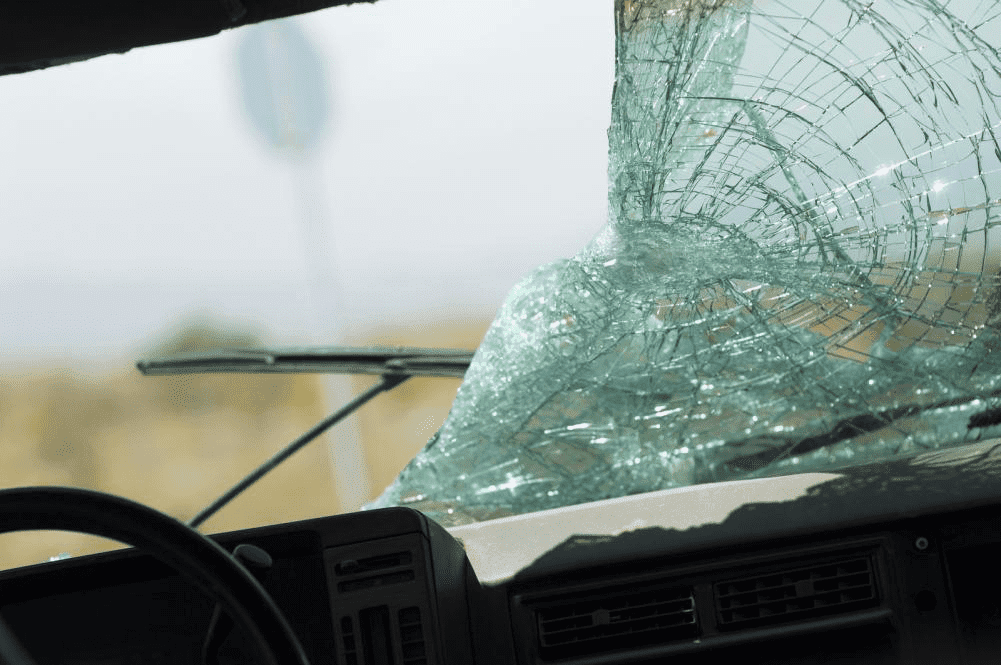
Windshields protect drivers and passengers from outside elements. They are made of strong glass layers with a plastic film inside. This design helps prevent glass from flying into the cabin if broken. Still, breakage can happen in various ways. Understanding the difference between cracked and shattered windshields is important. It shows the risk of injury and the danger of driving with damaged glass.
Cracked Vs. Shattered Windshield
A cracked windshield has visible lines or fractures but stays mostly intact. The plastic layer holds the glass pieces together. Cracks can spread and weaken the windshield’s strength over time.
A shattered windshield breaks into many small pieces but rarely falls apart completely. The plastic film keeps shards in place. This reduces the chance of deep cuts inside the car. Even so, tiny glass fragments can still cause scratches or minor injuries.
Driving Risks
Driving with a cracked or shattered windshield increases danger. Cracks reduce visibility by distorting the view. Shattered glass can distract the driver or cause panic. Broken windshields may fail during sudden impacts, increasing injury risks.
Sharp glass edges or fragments can cut skin in accidents. This can lead to bleeding or infections. Driving with damaged glass also risks legal trouble and failed vehicle inspections. Repair or replacement is crucial for safety on the road.
First Aid For Glass Cuts
Glass cuts from windshield shards can be painful and dangerous. Knowing how to give first aid helps reduce risks. Prompt care lowers chances of infection and speeds healing. Follow clear steps to treat glass cuts properly.
Immediate Care Steps
Stop the bleeding by applying gentle pressure with a clean cloth. Avoid pressing too hard to prevent further injury. Rinse the cut with clean water to remove glass pieces. Do not scrub the wound as it may cause more damage. Use tweezers sterilized with alcohol to remove visible glass shards. Cover the cut with a sterile bandage or clean cloth. Keep the injured area elevated to reduce swelling. Change the dressing daily and watch for signs of infection.
When To Seek Medical Help
Visit a doctor if bleeding does not stop after 10 minutes of pressure. Seek help for deep cuts that expose fat, muscle, or bone. Get medical care if glass fragments remain inside the wound. Go to the emergency room if the cut is on the face or over a joint. Watch for redness, swelling, or pus, which indicates infection. Consult a healthcare professional if you feel numbness or loss of movement near the injury.
Preventing Glass Injuries
Preventing injuries from windshield glass is crucial for all drivers and passengers. Glass can break during accidents or from strong impacts. Even though windshields are designed to minimize harm, broken glass can still cause cuts. Taking steps to protect yourself reduces the risk of serious injuries.
Simple habits and safety tools help keep you safe. Understanding how to avoid glass injuries improves overall driving safety. Below are key ways to prevent cuts from windshield glass.
Protective Measures
Use seat belts every time you drive or ride in a car. Seat belts keep you in place during sudden stops or crashes. This lowers the chance of hitting the glass hard.
Install safety film on your windshield. This film holds broken glass pieces together. It prevents sharp shards from scattering inside the car.
Replace damaged windshields quickly. Cracks weaken the glass and raise the risk of shattering. A strong, intact windshield protects better in collisions.
Safe Driving Practices
Drive at safe speeds to reduce accident risk. Faster crashes often cause glass to break more violently. Staying within limits helps maintain control and avoid impacts.
Avoid distractions like phones or eating while driving. Focus on the road and other vehicles. Clear attention helps prevent sudden stops or crashes.
Keep a safe distance from other cars. This gives more time to react if the car ahead stops suddenly. Less chance of rear-end collisions means less chance of glass breaking.
Conclusion
Windshield glass can cause cuts, especially when broken in accidents. The glass often breaks into small pieces, which reduces sharpness. Still, strong impacts may create sharp shards that can injure skin. These cuts might bleed heavily and need medical care.
Always handle broken glass with caution to avoid harm. Wearing protective gloves helps when cleaning shattered glass. Remember, windshields are designed to protect, but broken glass can still pose risks. Stay safe and seek help if you get cut by windshield glass.