
Yes, a Ford F-150 can be good on gas for a full-size truck, especially if it has the EcoBoost V6 or the PowerBoost hybrid. Fuel economy still depends on the engine, drivetrain, tires, and how you drive, and towing or heavy loads can drop MPG fast.
The most accurate way to judge is by your exact year and engine, plus real-world driving conditions.
What Affects Gas Mileage in a Truck?
Before we look at the Ford F150, let’s understand what changes gas mileage. Gas mileage is how far your truck can go with one gallon of fuel.
- Engine type: Different engines use fuel differently.
- Fuel tank size: This is how much gas the tank can hold.
- Driving conditions: City, highway, weather, and towing affect fuel use.
- Driving habits: Speeding, quick starts, and hard braking use more fuel.
- Vehicle changes: Adding heavy parts or roof racks can lower fuel efficiency.
Ford F150 Engine Options and Fuel Economy
The Ford F150 comes with many engine choices. Each engine uses fuel in different ways. Here is a simple table showing some common engines and their EPA fuel economy estimates:
| Engine Type | City MPG | Highway MPG |
|---|---|---|
| 3.5L PowerBoost Hybrid V6 | 25 | 26 |
| 2.7L EcoBoost V6 | 20 | 26 |
| 5.0L V8 | 17-20 | 24-25 |
| 3.3L V6 | 18 | 24 |
Note: These are average numbers. Your real mileage may change based on driving and weather.
Is the Ford F150 Good on Gas?
So, is the Ford F150 good on gas? The answer depends on the engine and how you drive. The hybrid version is the best for saving fuel. It can reach around 25 miles per gallon in the city and highway.
The smaller 2.7L EcoBoost engine also gets good mileage. It can reach about 20 MPG in the city and 26 MPG on the highway. These numbers are quite good for a full-size truck.
However, the bigger 5.0L V8 uses more fuel. It gets about 17-20 MPG in the city and 24-25 MPG on the highway. This engine is strong but less fuel-efficient.
In general, the Ford F150 is average when it comes to gas. It is not the best, but it is not the worst either. Many trucks like it have similar fuel economy.
How Driving Conditions Change Fuel Economy
Your driving environment changes how much gas you use. Here are some common factors:
- City driving: Stop-and-go traffic uses more fuel.
- Highway driving: Driving at steady speed saves fuel.
- Towing: Pulling heavy trailers uses more gas.
- Weather: Cold weather lowers fuel efficiency.
Highway driving usually gives the best miles per gallon. City driving often lowers your MPG because of many stops.
Driving Habits That Help Save Fuel
Your driving style can save or waste gas. Here are some tips:
- Drive at a steady, moderate speed.
- Use cruise control on highways to keep speed steady.
- Avoid fast starts and hard braking.
- Combine trips to reduce cold starts.
- Turn off the engine if you stop for a long time.
Ford trucks have a Start-Stop system. This turns off the engine when stopped and restarts it quickly. It helps save gas in city driving.
How to Find Your Ford F150’s Range
Range means how far your truck can go on a full tank of gas. To find this, you need two things:
- Know your truck’s miles per gallon (MPG).
- Know your fuel tank size in gallons.
Multiply these two numbers to get your range:
Range (miles) = MPG × Fuel Tank Size (gallons)
For example, if your F150 gets 20 MPG and has a 26-gallon tank, your range is:
This means you can drive about 520 miles before refilling the tank. Remember, this is an estimate. Your real range may be less due to driving habits and road conditions.

Important Notes About Fuel Range
- The “miles to empty” display shows an estimate, not exact number.
- It is safer to refuel before the tank is empty.
- Your actual mileage will change based on how and where you drive.
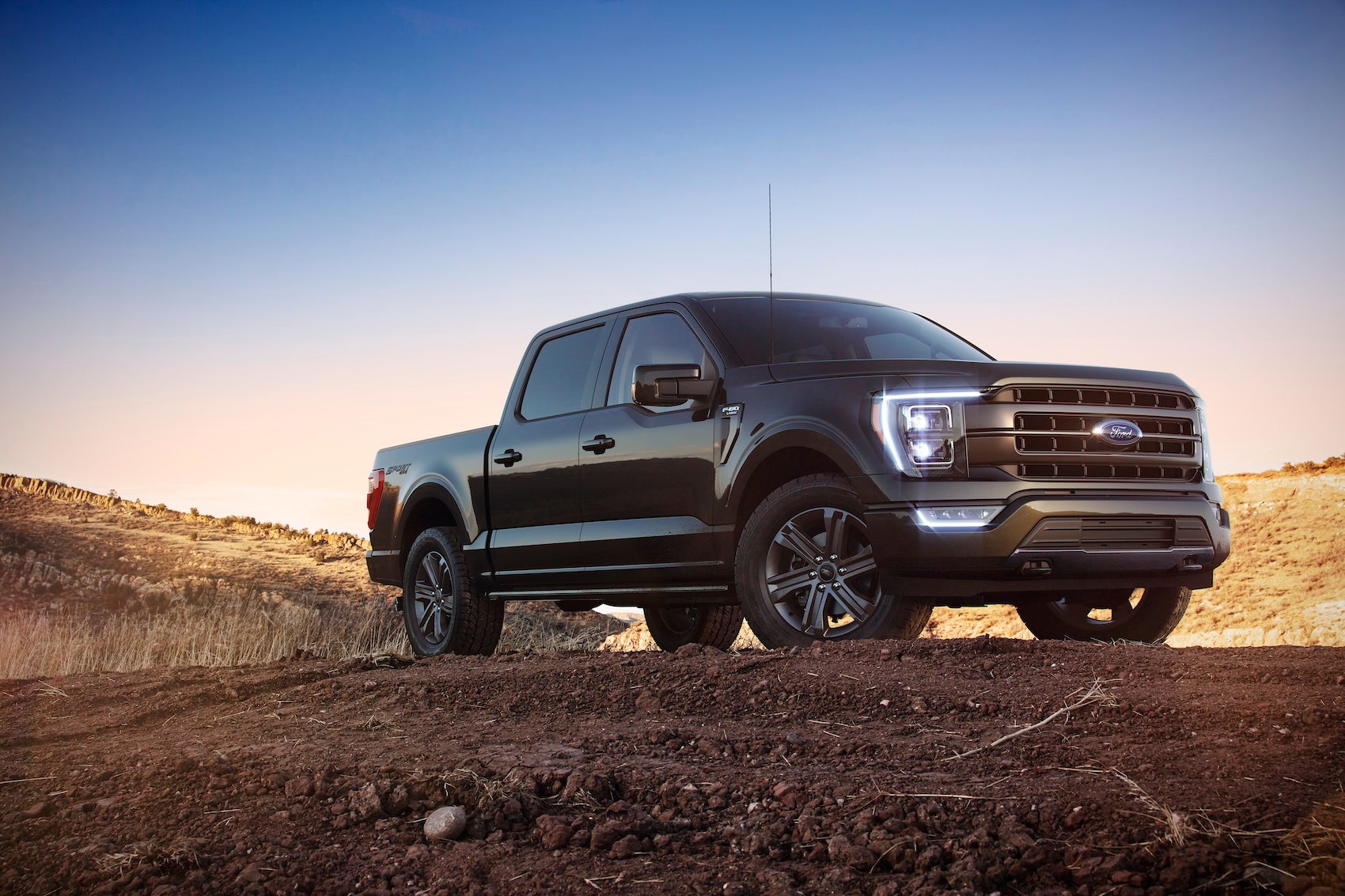
Tips to Improve Ford F150 Fuel Economy
If you want to get better gas mileage from your F150, try these tips:
- Keep your tires properly inflated.
- Do regular engine tune-ups.
- Remove heavy items you do not need.
- Use the recommended motor oil.
- Avoid idling for long times.
- Drive gently and avoid speeding.
Summary
The Ford F150 is a strong, popular truck. Its gas mileage depends on the engine and driving style. The hybrid and EcoBoost engines save more fuel. The bigger V8 uses more gas but offers more power.
Your driving habits and road conditions also affect how much gas you use. Drive carefully and keep your truck in good shape for the best fuel economy.
Overall, the Ford F150 is reasonable on gas. It balances power and fuel use. If you want a truck that is good on gas, choose the hybrid or smaller EcoBoost engine. Remember, how you drive matters a lot.