
You might be wondering, “Can my car pass inspection with a cracked windshield?” It’s a common question, especially if you’ve noticed a chip or crack but aren’t sure if it’s serious enough to cause trouble. The answer isn’t always simple because it depends on where you live and how severe the damage is.
Your windshield plays a crucial role in your safety and visibility, so inspectors pay close attention to it. You’ll discover exactly when a cracked windshield can fail your vehicle inspection and what steps you can take to avoid unexpected problems.
Keep reading to make sure your car stays road-ready and inspection-approved.
Inspection Rules By State
Inspection rules for cracked windshields vary widely across states. Each state sets its own standards for vehicle safety and driver visibility. These rules influence whether a car with a cracked windshield can pass inspection. Understanding these differences helps vehicle owners prepare better before inspection day.
Variations In Criteria
States differ in how they judge windshield damage. Some allow small chips or cracks outside the driver’s view. Others reject any cracks regardless of size. The location and length of the crack often matter most. Some states measure cracks against specific size limits.
For example, Texas may fail a car if the crack blocks the driver’s vision. California focuses on cracks within the windshield wiper area. Meanwhile, other states may not inspect the windshield at all but check the wipers instead.
Critical Viewing Area Focus
Most states focus on the windshield’s critical viewing area. This is usually the area swept by the wipers. Damage here can distract or block the driver. Cracks in this zone often cause automatic inspection failure.
The critical area ensures clear sight lines for safe driving. Even small cracks in this region can be dangerous. Outside this zone, states may be more lenient. Still, any crack that weakens the windshield’s strength can cause issues.
Impact Of Crack Size And Location
The size and location of a windshield crack play a major role in car inspection results. Some cracks may be minor and allow the car to pass, while others can cause failure. Understanding how these factors affect safety and visibility helps explain why some cracks are not acceptable during inspections.
Small Chips Vs. Large Cracks
Small chips usually measure less than an inch in diameter. These chips often do not spread quickly and may not block the driver’s view. Inspectors often allow small chips if they are outside the main viewing area.
Large cracks extend several inches or more. They can weaken the windshield’s structure. Cracks that run across the glass increase the risk of shattering. Such damage often leads to automatic inspection failure.
Visibility And Safety Concerns
Cracks located in the driver’s direct line of sight are a serious issue. They can distort vision and create glare from sunlight or headlights. This distraction reduces driving safety and often fails inspection checks.
Windshield cracks near the edges can also be dangerous. They can grow over time due to road vibrations and temperature changes. This growth may cause the glass to break unexpectedly, posing a risk during driving.
Texas Windshield Inspection Policies
Texas has specific rules about vehicle inspections and windshields. Unlike some states, Texas does not directly inspect the windshield condition during the annual safety check. The focus lies on the windshield wipers and how they function rather than the glass itself. This means a cracked windshield might not automatically fail the inspection, but certain conditions can still cause issues.
Understanding these policies helps drivers know when a cracked windshield can be a problem for passing inspection in Texas.
Windshield Not Directly Inspected
The Texas vehicle inspection does not include a direct check of the windshield. Inspectors do not look for cracks or chips on the glass. Their main concern is whether the windshield wipers work properly. This policy means minor cracks usually do not cause a failed inspection.
Still, if the crack is severe enough to affect other inspection items, it might lead to a problem.
Effect On Wiper Functionality
Windshield wipers must clear the glass effectively. A cracked windshield can stop the wipers from working smoothly. If the wipers tear or skip due to the crack, the vehicle can fail the inspection. Inspectors check if the wipers cover the windshield and remove rain or debris properly.
Wiper blades that get caught on cracks or chips create a safety risk and are not allowed.
Legal Driving Conditions
Texas law requires drivers to maintain safe visibility. Even if the windshield is not inspected directly, a large crack that blocks the driver’s view is illegal. Driving with obstructed vision can lead to fines or citations. Repairing or replacing a cracked windshield ensures clear sight and safer driving.
Car owners must check their windshield condition regularly to meet legal standards.

Examples From Other States
Rules about cracked windshields vary a lot across states. Some states have strict laws that can fail your car during inspection. Others allow small cracks if they do not block the driver’s view. Understanding these examples helps prepare you for your state’s inspection.
Below are examples from California, Montana, and Delaware. They show different approaches to windshield cracks and inspections.
California’s Strict Guidelines
California has tough rules on windshield damage. Any crack or chip in the driver’s view area can cause a failure. The critical area means where the windshield wipers clean. If cracks extend there, the car will not pass. This rule ensures the driver has a clear, safe view.
Small chips outside this area may still pass. But big cracks or chips in important spots always fail the inspection. California focuses on safety and visibility for all drivers.
Montana And Delaware Rules
Montana and Delaware have more lenient rules than California. They allow some cracks if they do not block the driver’s vision. The crack size and location matter most. Small chips or cracks outside the main view often pass inspection.
Delaware requires that no cracks interfere with safe driving. Montana checks if the damage affects the windshield’s strength or driver sight. Both states aim to balance safety with practical vehicle use.
In these states, minor windshield damage may not stop your car from passing inspection. Still, large cracks near the driver’s line of sight usually cause failure.
When A Crack Causes Inspection Failure
A cracked windshield can lead to inspection failure in some cases. The size and location of the crack play a big role. Some cracks are minor and do not affect safety or vision. Others can block the driver’s view or harm safety features. These cracks often cause a vehicle to fail inspection. Understanding when a crack causes failure helps you prepare for inspection.
Obstruction Of Driver’s View
A crack that blocks the driver’s view is a common reason for failure. If the crack lies in the area wiped by the windshield wipers, it is critical. This area is where the driver looks most often. Cracks here can distract or blind the driver. Inspectors check for clear visibility through the windshield. Any crack that affects sight can cause the car to fail.
Damage Affecting Safety Features
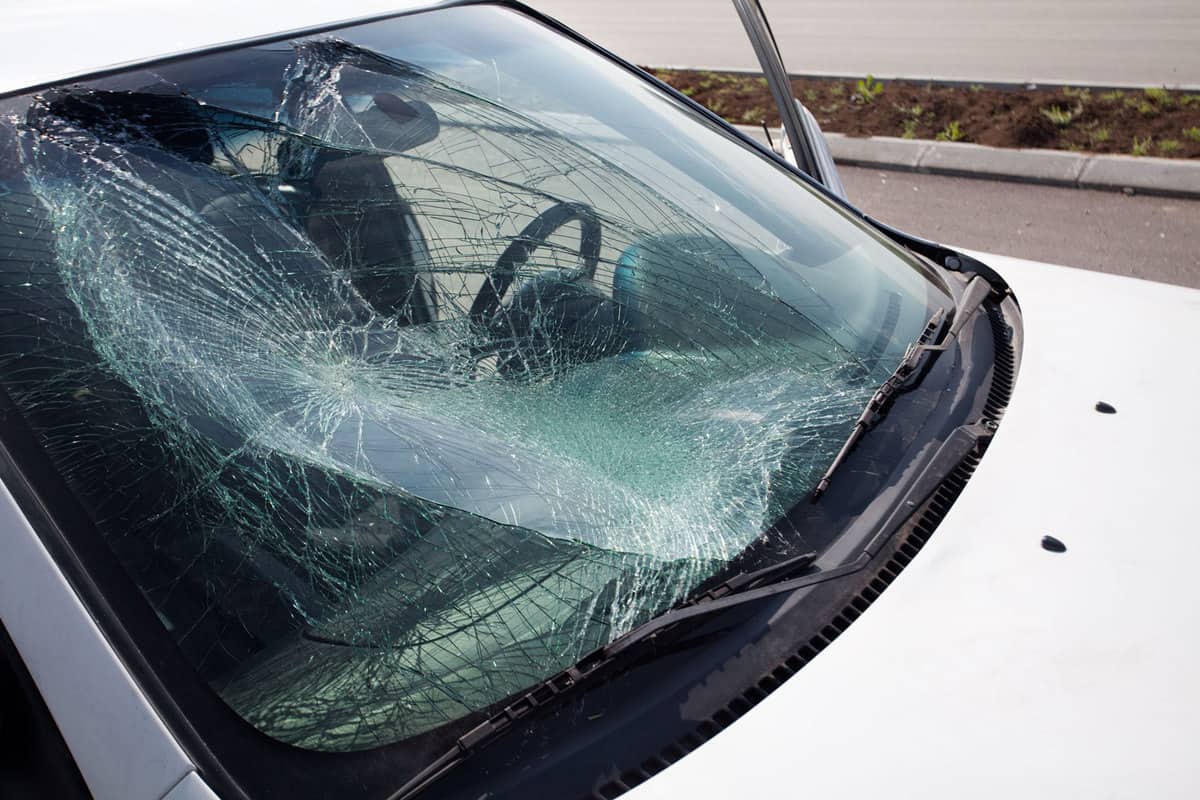
Windshields support many safety systems in a car. Cracks can weaken the glass and reduce its strength. This damage can prevent airbags from working correctly. Some cracks may also affect sensors embedded in the windshield. These sensors help with driver assistance and emergency braking. If damage harms these safety features, inspection failure is likely.
Repair And Replacement Options
Deciding between repairing or replacing a cracked windshield depends on the damage size and location. Small chips and cracks often qualify for repair, saving time and money. Larger cracks or those obstructing the driver’s view usually require full replacement. Understanding repair and replacement options helps ensure the vehicle passes inspection and stays safe on the road.
Chip Repair Techniques
Chip repairs use special resin to fill the damaged area. The resin bonds with glass, preventing the chip from spreading. Technicians clean the chip, inject resin, and cure it with UV light. This process restores windshield strength and clarity. Chip repair is quick, affordable, and keeps minor damage from worsening. It works best on chips smaller than a quarter and outside the driver’s direct line of sight.
When To Replace The Windshield
Replace the windshield if cracks are longer than six inches or cross the driver’s view. Damage at the edges also weakens the windshield structure. Deep cracks or multiple chips reduce visibility and safety. A windshield replacement involves removing the old glass and installing a new one with strong adhesive. Replacement ensures full visibility and structural integrity. It is necessary when damage poses a risk during vehicle inspection or daily driving.
Tips For Passing Inspection With Damage
Passing a car inspection with a cracked windshield can be tricky. Some damage might be allowed, but certain cracks may cause failure. Knowing how to handle windshield damage helps improve your chances. Simple steps can make a big difference during inspection.
Here are practical tips for passing inspection despite having a cracked windshield. Focus on key areas that inspectors check closely. Proper care and attention help meet safety standards.
Assessing Crack Location
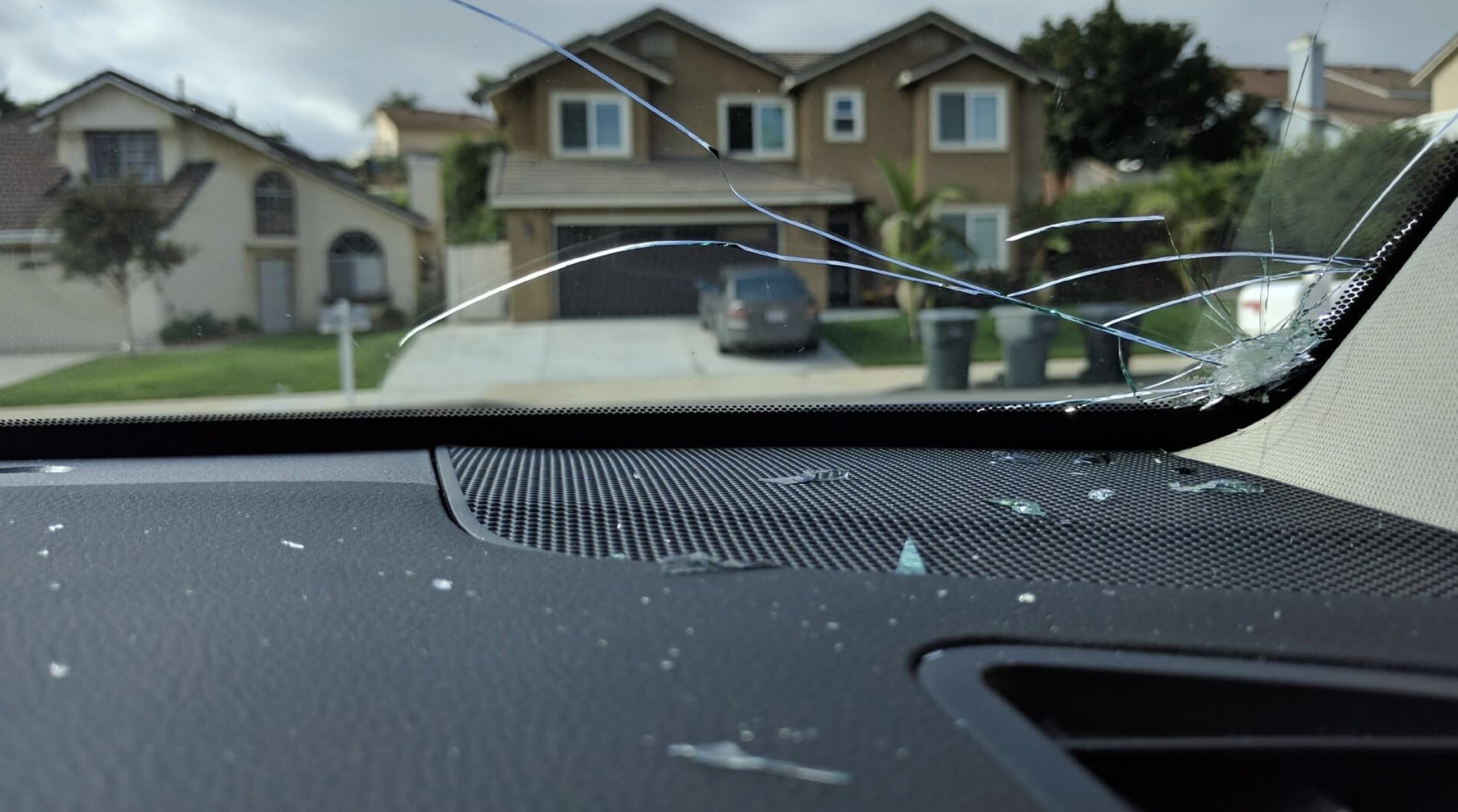
Check where the crack is on your windshield. Cracks in the driver’s line of sight often cause failure. Small cracks outside the wiper area might be acceptable. Avoid cracks that spread across the glass or near edges. These weaken the windshield and may fail inspection. Understanding crack placement helps decide if repair or replacement is needed before inspection.
Maintaining Wiper Condition
Inspect your windshield wipers carefully. Worn or damaged wipers can cause inspection failure. Cracks can affect how wipers work if they catch on broken glass. Replace old wiper blades for clear visibility and smooth operation. Clean the windshield before inspection to ensure no dirt or streaks block vision. Proper wiper function is essential for safe driving and passing inspection.
Conclusion
A cracked windshield can affect your car inspection results. Small chips often do not cause failure. Large cracks that block vision usually lead to failure. Each state has different rules for windshield damage. Always check local laws before your inspection day.
Keeping your windshield clear helps ensure a safe drive. Fix cracks early to avoid inspection problems. Clear vision is key for your safety and passing inspections.