
Have you ever wondered if your Ford F150 could do more than just drive you around? What if it could actually power your entire house during an outage or emergency?
Imagine having a reliable backup energy source right in your driveway, ready to keep your lights on and appliances running. You’ll discover how close your Ford F150 is to making this possible, what you need to know, and whether it’s a smart choice for your home.
Keep reading to find out if your truck can become your home’s new power hero.
Ford F150 Power Capabilities
The Ford F150 is a strong and popular truck. It has power that many vehicles do not have. This power could be used in many ways. One question is whether it can power a house. Understanding the truck’s power helps answer this.
The F150 comes with different engines and battery options. These affect how much power it can give. The truck’s power output and how well it uses energy also matter. Let’s explore these details.
Engine And Battery Specs
The Ford F150 offers gas, diesel, and electric engines. The electric version is called the F150 Lightning. It has large batteries to store energy. Battery size ranges up to 131 kWh. Gas engines vary from V6 to V8 types. Each engine type has its own power and fuel use.
The electric F150 can act like a big power bank. It can send power out to tools or a house. Gas and diesel engines do not store power but can run strong machines.
Power Output And Efficiency
The F150 Lightning can provide up to 9.6 kW of power to a home. This amount can run many home appliances at once. It can power lights, refrigerators, and even some heating. The truck uses electricity efficiently to save battery life.
Gas and diesel versions have high horsepower and torque. They deliver strong pulling power for work. Their fuel use is less efficient than electric models. The electric F150 also produces zero tailpipe emissions. This makes it cleaner for the environment.
Credit: electrek.co
Off-grid Energy Basics
Powering a home without relying on the main electricity grid needs some planning. Off-grid energy means using sources like solar panels, batteries, or generators. These sources provide power independently of public utilities.
Understanding off-grid energy helps to see if a Ford F150 can power a house. Let’s explore what living off-grid involves and how much energy a typical home uses.
What Off-grid Living Entails
Off-grid living means no connection to public electricity. Homes use their own power sources. This could be solar panels, wind turbines, or fuel generators.
People living off-grid must manage energy carefully. They store energy in batteries for use at night or bad weather. Saving power becomes a daily habit.
Off-grid homes often use energy-efficient appliances. This reduces power needs and helps the system last longer. Planning and maintenance are key parts of off-grid life.
Energy Needs For A Typical House
Most houses use about 900 to 1,200 kWh of electricity per month. This includes lights, heating, cooling, and appliances. Energy use varies by location and lifestyle.
Heating and cooling take the most energy in many homes. Appliances like refrigerators, washers, and TVs also add to the total. Small homes or energy-efficient ones use less power.
To power a house off-grid, systems must supply enough energy daily. They also need enough storage for nights or cloudy days. Understanding these needs helps choose the right power source.
Using Ford F150 As A Power Source
The Ford F150 can do more than just drive. It can also power your home in certain situations. This makes it useful during power outages or outdoor activities. Using the truck’s power requires special technology and tools. These help safely connect the truck’s energy to your house.
Understanding these options is key to using your Ford F150 as a reliable power source. It is important to know what each method offers and how to set it up. This way, you can keep your home running without worry.
Vehicle-to-home Technology
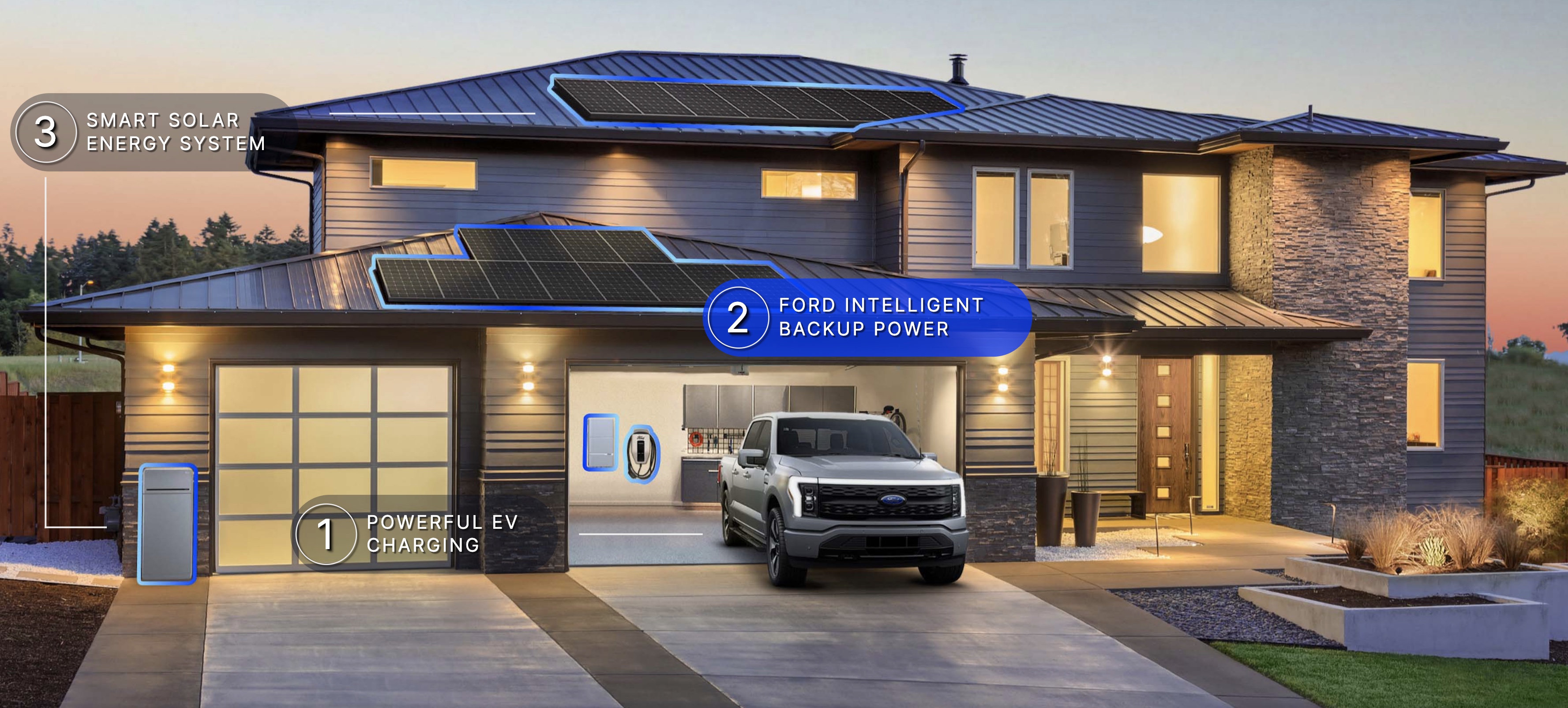
Vehicle-to-Home (V2H) technology allows energy to flow from your Ford F150 to your house. This system works by connecting the truck’s battery directly to your home’s electrical system. It provides power during outages or emergencies. V2H uses smart controls to manage power safely. It helps balance the energy needs of your home and truck.
This technology is built into some newer models of the F150. It can supply enough power for basic household needs. Lights, small appliances, and charging devices can run without interruption. The system also protects your truck battery from draining too low.
Power Inverter And Connection Options
A power inverter converts the truck’s direct current (DC) to alternating current (AC). AC is the type of electricity used in most homes. You can connect an inverter to the Ford F150’s battery or outlet. This allows you to plug in regular household devices.
There are different ways to connect the inverter to your home. A transfer switch can link the inverter to your home’s main electrical panel. This lets you power several circuits safely. Portable inverters with outlets can power individual devices directly. Choosing the right inverter depends on your power needs and setup.

Credit: www.caranddriver.com
Energy Output Vs Household Demand
Understanding the energy output of the Ford F150 compared to household demand is key. This helps decide if the truck can power a house during outages or emergencies. The Ford F150 offers a certain power capacity. Homes require different amounts of energy based on size and appliances.
Comparing these two gives a clear picture of what is possible. It shows the limits and potential of using the truck as a power source.
Calculating Power Consumption
Most homes use between 900 and 1500 watts at a time. This depends on lights, fridge, and other small appliances. Larger devices like air conditioners or heaters need much more power. To find total demand, add the wattage of all devices running together.
For example, a fridge uses about 150 watts, and a TV uses 100 watts. Add lights and other devices to get total power needs. This number is important to compare with the truck’s output.
Duration And Limitations
The Ford F150’s power output varies by model and battery size. It can supply power for a few hours to a couple of days. This depends on how much energy the house uses. Heavy use drains the truck’s battery faster.
Also, the truck cannot power all devices at once. Some appliances use too much power for the truck to handle. It works best for essential items during short power outages. Knowing these limits helps set realistic expectations.
Practical Applications And Scenarios
The Ford F150 can do more than just drive on roads. It has the power to run a house in certain situations. Understanding practical uses helps see its real value. Here are some key scenarios where the F150 can provide power to a home.
Emergency Backup Power
Power outages happen often during storms or natural disasters. The Ford F150 can act as a backup power source. With its onboard generator, it supplies electricity to essential home devices. Lights, refrigerators, and communication tools stay powered. This helps keep families safe and comfortable during blackouts.
It is a quick and reliable option when the grid fails. No need to wait for repair crews or portable generators. The truck’s fuel system supports long hours of power supply. This makes it ideal for emergencies at home or in remote places.
Sustainable Off-grid Living
Living off-grid means relying less on public power systems. The Ford F150 supports this lifestyle by providing portable electricity. It allows homeowners to use electric tools, appliances, and lights without a connection to the grid. This reduces dependence on fossil fuels and lowers bills.
Using the truck’s power helps in cabins, farms, or tiny homes far from cities. Solar panels can recharge the F150’s battery for cleaner energy use. This combination creates a more eco-friendly and self-sufficient home setup. The Ford F150 makes off-grid living easier and more practical.
Challenges And Considerations
Using a Ford F150 to power a house involves several challenges and important points. It is not as simple as plugging in a device. Understanding these issues helps in making a smart decision. The truck’s battery and electrical system face limits when powering home appliances. Safety is another big concern to keep in mind. Let’s explore the main challenges one by one.
Battery Drain And Recharge
The truck’s battery can drain quickly when running household items. The F150’s battery stores limited energy. Large appliances like refrigerators or heaters use a lot of power. This can cause the battery to empty fast. Recharging the battery takes time and energy. It may need hours to restore full power. Continuous use without recharging can damage the battery. This limits how long the truck can power a house.
Technical And Safety Issues
Connecting a vehicle to home electrical systems needs special equipment. Incorrect setup can cause electrical faults or fire risks. The truck’s power output may not match home voltage needs. This mismatch can harm appliances or the truck itself. Proper inverters and converters are necessary for safe use. Handling high voltage requires skill and care. Without professional help, accidents and damage are more likely.
Alternative Off-grid Energy Solutions
Powering a whole house with a Ford F150 is a big challenge. Many people explore other off-grid energy options that fit daily needs better. These options offer reliable power without relying on a truck’s engine. They use natural sources or stored energy to keep homes running smoothly. Here are some practical alternatives for off-grid living.
Solar Panels And Wind Turbines
Solar panels capture sunlight and turn it into electricity. They work best in sunny areas and provide clean, quiet power. A solar setup can power lights, small appliances, and even heating systems. Wind turbines use wind energy to produce electricity. They are great in windy places and can complement solar power. Combining solar and wind gives a steady energy supply day and night.
Portable Generators And Batteries
Portable generators run on gasoline or propane. They provide power during outages or off-grid times. Generators are easy to move and start quickly. Batteries store electricity from solar panels or generators. They release power when needed, especially at night or during calm weather. Using batteries helps avoid noise and fuel costs. Together, generators and batteries offer flexible backup power solutions.
Future Of Vehicle-powered Homes
Using vehicles to power homes is becoming more common. Electric vehicles (EVs) like the Ford F150 offer new ways to save energy. The idea of a vehicle as a power source is no longer science fiction.
Technology is improving fast. Cars can store large amounts of electricity. This energy can help during power outages or reduce electricity bills. The future looks bright for homes powered by vehicles.
Advancements In Ev Technology
EV batteries are getting bigger and better. They can hold more energy and last longer. Charging speeds are faster, making the process easier. These improvements allow vehicles to supply power to homes more effectively.
New systems let cars share power with the grid and homes. This bidirectional charging means energy flows both ways. It helps balance energy use and supports renewable power sources like solar and wind.
Integration With Smart Home Systems
Smart homes can connect with EVs for better energy use. These systems monitor energy needs and adjust power flow. Homes can decide when to draw power from the vehicle or the grid.
Automation makes energy management simple and efficient. It helps save money and reduces waste. Future homes will work closely with vehicles to create reliable energy solutions.

Credit: robbreport.com
Conclusion
The Ford F150 can supply power to a house for short times. Its built-in generator helps during power outages. But it may not run all appliances at once. Planning and knowing limits is important. This truck offers a handy backup energy source.
It suits small needs or emergencies well. Using it wisely keeps your home safe and warm. A useful tool, not a full home power system.