
Have you ever found yourself driving with a dirty windshield, struggling to see clearly because your wiper fluid ran out? It’s frustrating, right?
You might wonder, “Do gas stations sell windshield wiper fluid? ” The quick answer is yes—but there’s more to know. Whether you’re on a road trip, stuck in Austin traffic, or just need a last-minute refill, understanding where to get windshield wiper fluid and what alternatives you have can save you time and keep your drive safe.
Keep reading to discover everything you need about buying, making, and using windshield wiper fluid so you’re never caught off guard again.
Availability At Gas Stations
Gas stations often serve as quick stops for drivers needing essential car care items. Windshield wiper fluid is one such product that many drivers seek during travel. The availability of this fluid at gas stations varies by location and store size. Understanding what gas stations typically stock helps drivers plan their stops better.
Common Products Sold
Most gas stations offer windshield wiper fluid in various sizes. You will also find motor oil, antifreeze, and car wash supplies. These items target common vehicle maintenance needs. Small bottles or large jugs of wiper fluid are usually easy to spot near the checkout or in the automotive aisle.
Regional Differences
Availability of wiper fluid depends on the region’s climate and demand. In colder areas, gas stations stock winter formula fluid to prevent freezing. Warmer regions might carry standard or summer blends. Some rural gas stations may have limited automotive products compared to urban locations.
Convenience Factor
Buying windshield wiper fluid at a gas station offers great convenience. Drivers can grab it quickly during refueling or rest stops. This saves time compared to visiting a dedicated auto parts store. The fluid is priced competitively and often available 24/7 in many stations.

Alternative Purchase Locations
Windshield wiper fluid is easy to find beyond gas stations. Many places stock it for quick and easy purchase. These alternative locations help keep your windshield clean and clear.
Grocery Stores
Grocery stores often have windshield wiper fluid in their automotive aisle. You can pick it up while shopping for other essentials. This saves time and effort during your trip.
They usually offer various brands and sizes. This gives you options to choose from based on your needs and budget.
Convenience Stores
Convenience stores near roads and neighborhoods sell windshield wiper fluid. They cater to drivers who need quick refills. These stores are open late and on weekends.
The fluid is often placed near car care products or checkout counters. This makes it easy to spot and grab on the go.
Auto Parts Shops
Auto parts shops specialize in vehicle maintenance products. They carry a wide range of windshield wiper fluids. You can find fluids for different weather conditions here.
Staff can help you pick the right product for your car. These shops also offer other car cleaning and repair supplies.
Diy Windshield Wiper Fluid
Making your own windshield wiper fluid saves money and ensures you always have it ready. DIY fluid can be simple and made with common household items. You control the ingredients and adjust the mix for your climate. Below are easy recipes you can try at home.
Basic Homemade Recipes
One easy recipe uses distilled water and a small drop of dish soap. Mix one gallon of distilled water with one teaspoon of liquid dish soap. This solution cleans dirt and grime well on warm days. Avoid using too much soap to prevent streaking and foam.
Using Household Ingredients
Vinegar is a great cleaner and works well in windshield fluid. Mix three parts distilled water with one part white vinegar. Add a drop of dish soap for extra cleaning power. This mix removes bugs and light stains effectively. It is safe and inexpensive.
Winterproof Mixtures
For cold weather, add rubbing alcohol or vodka to stop freezing. Mix two cups of distilled water, one cup of rubbing alcohol, and one teaspoon of dish soap. This blend keeps fluid from freezing below 32°F (0°C). It also cleans well in icy conditions.
Pros And Cons Of Diy Solutions
DIY windshield wiper fluid solutions attract many drivers. They offer a quick fix at home using common ingredients. These homemade options come with clear benefits and some drawbacks. Understanding these pros and cons helps you decide if DIY fluid fits your needs.
Cost Savings
Making your own windshield wiper fluid can save money. Store-bought fluid costs more due to packaging and brand markup. Basic ingredients like water, soap, and rubbing alcohol are inexpensive. Small batches reduce waste and frequent purchases. This is helpful for budget-conscious drivers.
Effectiveness
DIY mixtures can clean windshields but vary in power. Simple solutions work well for light dirt and dust. Adding alcohol prevents freezing in cold weather. Some recipes remove bugs and grime with mild soap. They may not match commercial fluids in removing tough residues. Proper mixing ensures a streak-free finish.
Potential Risks
Using homemade fluid carries some risks for your car. Too much soap causes foaming and streaks, reducing visibility. Tap water can clog spray nozzles due to minerals. Lack of proper antifreeze can freeze the fluid in winter. Ammonia or harsh cleaners may damage windshield seals or paint. Test small amounts before full use.
Tips For Choosing Fluid
Choosing the right windshield wiper fluid is important for clear visibility and safe driving. Different fluids work better in various weather conditions and car models. Selecting the right fluid can prevent damage and improve cleaning. Below are some tips to help you pick the best fluid for your vehicle.
Freeze Protection
Windshield fluid must resist freezing in cold weather. Choose a formula with antifreeze agents, like methanol or alcohol. These ingredients stop the fluid from turning to ice on your windshield. In winter, use fluids labeled for low temperatures. Avoid plain water; it freezes quickly and can damage your system.
Avoiding Streaks And Residue
Clean windows need fluid that leaves no streaks or spots. Some fluids contain detergents that break down dirt and grime well. Test a small amount first to check for streaks. Avoid fluids with heavy dyes or thick additives that can clog wiper nozzles. Clear vision means safer driving.
Environmental Considerations
Some windshield fluids contain harsh chemicals harmful to the environment. Look for eco-friendly options with biodegradable ingredients. These fluids reduce pollution and are safer around plants and animals. Proper disposal of old fluid is also important. Choose products that balance cleaning power with environmental care.
Maintaining Your Wiper System
Maintaining your windshield wiper system ensures clear vision during drives. Clean wiper fluid helps remove dirt and debris effectively. Regular care prevents damage and keeps your system working well. Simple checks and cleaning can extend the life of your wipers and fluid nozzles.
Cleaning Nozzles And Pumps
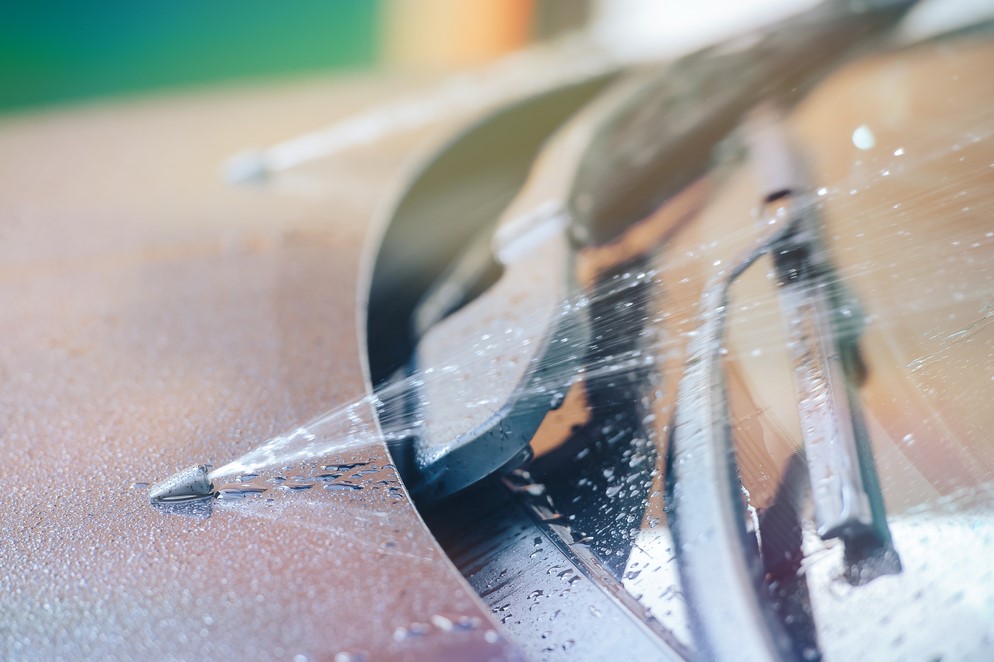
Nozzles can get clogged with dirt or wax. Use a pin or needle to clear blockages carefully. Pumps need to stay clean to spray fluid properly. Flush the system with water if spray weakens. Clean parts help maintain a smooth spray pattern.
Checking For Build-up
Look for dirt or mineral deposits around nozzles. Build-up stops fluid from flowing freely. Inspect hoses for cracks or leaks that reduce pressure. Use a mild cleaner to remove stubborn grime. Regular checks prevent costly repairs later on.
When To Replace Fluid
Windshield wiper fluid loses effectiveness over time. Replace fluid when it looks dirty or smells odd. Use fresh fluid before winter to avoid freezing. Low fluid levels reduce cleaning power. Keep your reservoir full for clear, safe driving.
Conclusion
Many gas stations sell windshield wiper fluid for your convenience. It’s easy to find at most locations. If you run out, nearby stores also carry it. You can even make your own with simple ingredients. Always keep some fluid handy for clear vision.
Clean windows make driving safer and more comfortable. Don’t forget to check your fluid levels regularly. Staying prepared helps you avoid unexpected problems on the road.