
You just got your windshield replaced, and now you’re wondering: how long should you leave that tape on? It might seem like a small detail, but removing the tape too soon can cause problems with the seal and even compromise your safety.
On the other hand, leaving it on longer than necessary isn’t ideal either. You’ll discover exactly why the tape is there, how long it needs to stay, and the simple steps you should follow to protect your new windshield. Keep reading to avoid costly mistakes and make sure your car stays safe and secure on the road.

Purpose Of Windshield Tape
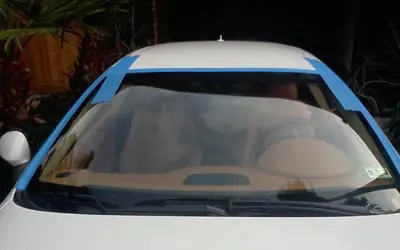
Windshield tape plays a vital role after installing a new windshield. It keeps the glass stable and supports the repair process. This tape ensures the windshield stays in place while the adhesive dries. It also protects the seal from damage. Moldings and trims remain secure under the tape. Understanding these purposes explains why tape is essential and how long it should stay on.
Securing The Glass
The tape holds the windshield firmly against the frame. It stops the glass from moving or slipping. This prevents gaps that can cause leaks or wind noise. Securing the glass allows the adhesive to cure properly. Without tape, the windshield might shift, leading to weak bonding and safety risks.
Protecting The Seal
The tape shields the fresh adhesive seal from moisture and dirt. Water or dust can weaken the seal if it enters early. The tape acts as a barrier during the crucial drying phase. It keeps the seal clean and intact. A strong seal prevents leaks and maintains the windshield’s strength.
Holding Moldings And Trims
Moldings and trims around the windshield need support while the adhesive sets. The tape holds these parts tightly against the glass and frame. This prevents gaps or misalignment. Properly placed moldings improve the look and function of the windshield. The tape ensures a neat, professional finish to the installation.
Recommended Duration For Tape
After replacing a windshield, tape plays a crucial role in the curing process. It keeps the glass firmly in place while the adhesive sets. Knowing the recommended duration to leave the tape on helps ensure a strong seal and prevents damage. Leaving the tape on for the right time supports safety and durability.
Typical Time Frame
The tape usually stays on for about 24 hours. This period allows the adhesive to cure properly. Some technicians suggest a range between 1 to 3 days, depending on the adhesive used. Shorter times risk weak seals, while longer times do not add much benefit.
Factors Affecting Duration
Temperature and humidity affect how quickly the adhesive cures. Warmer, dry conditions speed up the process. Cold or wet weather can slow curing and may require longer taping. The type of adhesive also matters; some cure faster than others. Follow the advice of your technician for the best results.
Adhesive Curing Process
The adhesive curing process is vital after a new windshield installation. This process ensures the glass bonds firmly to the vehicle frame. Proper curing prevents leaks, reduces noise, and keeps the windshield safe during driving.
During curing, the adhesive changes from a soft material to a strong, solid seal. This transformation takes time and needs stable conditions. Tape plays a key role by holding the windshield in place while the adhesive cures.
How Adhesive Sets
Adhesive begins to set immediately after application. It starts as a sticky liquid that fills gaps between glass and frame. Over time, it hardens to form a tight seal. This setting usually takes about 1 to 2 hours to hold the glass firmly.
Full curing, where the adhesive reaches maximum strength, takes longer. Typically, it requires 24 hours. During this time, the adhesive bonds deeply with the surfaces. Removing tape too early can weaken this bond and cause problems.
Impact Of Weather Conditions
Weather plays a big role in how fast adhesive cures. Warm, dry weather speeds up the curing process. Heat helps the adhesive harden faster and stick better. On cold or wet days, curing slows down.
High humidity or rain can delay adhesive setting. Moisture can weaken the bond or cause the adhesive to cure unevenly. Windshield tape protects the seal from moisture and debris during this time. It is best to avoid driving in heavy rain soon after installation.
Driving After Replacement
Driving after a windshield replacement requires care to ensure the adhesive sets properly. The tape placed on the windshield helps hold it firmly while the glue cures. Removing the tape too soon or driving too hard can cause leaks or misalignment. Knowing when and how to drive safely protects your new windshield and maintains its strength.
When To Drive Safely
Wait at least one hour before driving after the replacement. For best results, avoid long trips or high speeds during the first 24 hours. The adhesive needs time to bond fully. Gentle driving reduces stress on the new glass and seal. Follow your technician’s specific advice for your car’s adhesive type.
Avoiding Rough Conditions
Do not drive on rough or bumpy roads right after replacement. Sudden jolts can shift the windshield or break the seal. Avoid potholes and uneven surfaces until the adhesive cures completely. Keep doors closed softly to prevent pressure on the glass. This cautious approach helps the windshield stay in place.
Handling Rain And Moisture
Try to avoid driving in heavy rain for the first 24 hours. Moisture can weaken the adhesive during its curing phase. Light rain is less risky but still avoid puddles and splashes. Park in a covered area if possible to protect the windshield. Keeping the seal dry supports a strong, lasting bond.
Signs Of Poor Installation
After a windshield replacement, poor installation can cause serious problems. It affects safety and comfort. Knowing the signs helps you act quickly. Watch for issues early to avoid bigger damage.
Gaps And Leaks
Gaps between the windshield and car frame show bad installation. These spaces let water leak inside during rain. Moisture can cause mold and damage the car’s interior. Check for damp spots on the dashboard or seats. Water stains or fog inside the car are clear warnings.
Unusual Noises
Listen for strange sounds while driving. A whooshing or whistling noise means wind is passing through gaps. These noises happen even with windows closed. Poor sealing causes air to escape, lowering comfort and safety. The noise gets worse at high speeds or on highways.
Visual Imperfections
Look closely at the windshield edges and surface. Wavy glass or uneven edges show poor fitting. Air bubbles or gaps in the adhesive also matter. Misaligned windshield trims or moldings are signs too. These flaws hurt the car’s look and reduce protection during crashes.
Post-replacement Care
After replacing a windshield, caring for your vehicle properly is crucial. Post-replacement care helps the adhesive set well. This ensures your new windshield stays secure and lasts longer.
Following the right steps protects your investment and keeps you safe on the road. Simple habits can make a big difference during the curing period.
Gentle Driving Tips
Drive slowly and avoid sudden stops or sharp turns. Rough driving can weaken the adhesive before it fully cures. Stay off bumpy roads to prevent shaking the windshield. Keep door slams soft to avoid pressure on the glass. These small actions help maintain the seal’s strength.
Parking Recommendations
Park in shaded areas to avoid extreme heat on the new windshield. Direct sunlight can affect the drying process. Choose flat, stable surfaces to keep your vehicle steady. Avoid parking under trees to prevent debris from hitting the glass. Safe parking supports proper adhesive bonding.
Following Technician Advice
Your technician knows the exact curing time for the adhesive used. Follow their instructions about when to remove the tape and resume normal driving. Do not rush the process; it can cause leaks or damage. Trust their experience for the best results. Their advice ensures your windshield performs well over time.
Conclusion
Leaving the tape on your new windshield for about 24 hours is best. This time lets the adhesive dry and hold the glass firmly. Removing the tape too soon can cause leaks or misalignment. Avoid heavy rain and rough driving during this period to protect the seal.
Follow your technician’s advice carefully for the best results. Proper care after replacement keeps your windshield safe and secure. Taking these simple steps ensures your new windshield lasts longer and works well. Safety and patience go hand in hand here.