
You’ve probably faced it: you jump into your car on a chilly morning, and your windshield is covered in moisture. It’s frustrating, unsafe, and can delay your day.
But what if you could quickly clear that fog or frost without struggling or risking your safety? In this guide, you’ll discover easy, effective ways to remove moisture from your windshield fast. Whether it’s fog, frost, or condensation, the tips you’ll learn here will help you see clearly and drive confidently, no matter the weather.
Keep reading to unlock simple tricks that make your windshield crystal clear—and your drive safer.
Causes Of Windshield Moisture
Moisture on the windshield can reduce driving visibility and cause dangerous situations. Understanding the causes of windshield moisture helps prevent it. Moisture forms due to a mix of inside and outside factors. Knowing these factors aids in faster removal and better control.
Inside Humidity Factors
Humidity inside the car rises from breathing and wet clothes. When many people travel inside, moisture increases quickly. Spilled drinks or damp floor mats add to the moisture load. The warm air inside meets the cold windshield glass. This causes condensation and fogging on the glass surface.
Outside Weather Conditions
Cold or rainy weather causes moisture buildup on the windshield. Cold air cools the glass, making it easier for water vapor to turn into liquid. Foggy or humid weather adds more moisture to the air. Driving through rain or snow also leaves water droplets on the glass.
Car Ventilation Issues
Poor ventilation traps humid air inside the car. Blocked or broken vents reduce airflow and cause moisture buildup. The air conditioner or heater not working properly affects air circulation. Vent settings that recirculate air without fresh air cause fog to form faster. Clean and working vents help reduce moisture on the windshield.

Quick Moisture Removal Techniques
Removing moisture from your windshield fast improves safety and comfort. Clear visibility avoids accidents and frustration. Some simple tricks work quickly and need no special tools or sprays.
Follow these quick moisture removal techniques to get your windshield clear in moments. They use your car’s built-in features or smart habits that stop fog from sticking.
Using Defrosters And Heaters
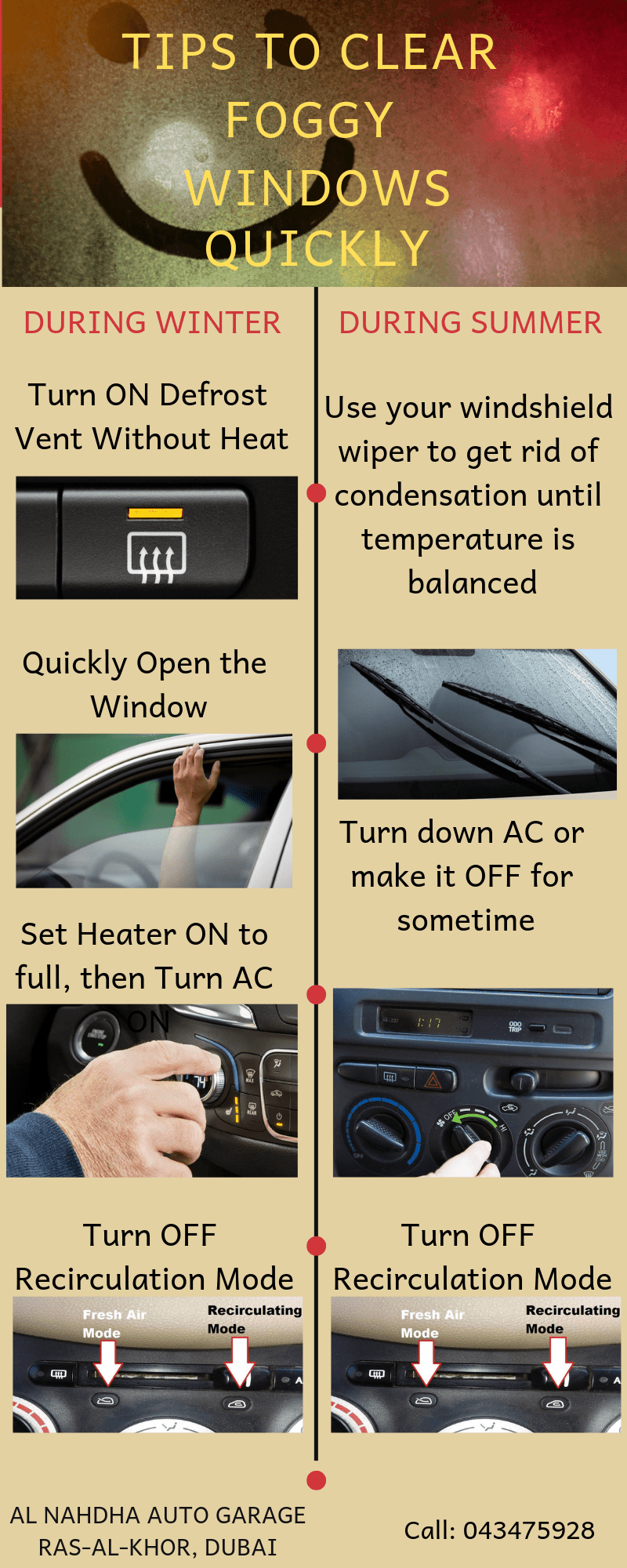
Turn on your car’s defroster or heater. Warm air dries moisture on the glass fast. Direct the airflow toward the windshield. This melts and evaporates fog quickly. Use the air conditioner along with heat for better results. It removes humidity inside the car.
Cracking The Window Slightly
Open a small gap in the window. This balances the inside and outside air. Moisture escapes instead of building up. Fresh air stops fog from forming again. Keep the crack small to avoid cold drafts. It is especially helpful with many passengers inside.
Avoiding Cloth Wiping
Do not wipe the inside of the windshield with cloth. Wiping spreads moisture and creates streaks. It can make visibility worse. Cloth fibers leave tiny dust particles on the glass. Use the defroster and ventilation instead. They clear fog without smudging or damage.
Natural Remedies For Fogging
Natural remedies can help reduce windshield fogging without harsh chemicals. These methods use simple household items to create a barrier on the glass. The barrier stops moisture from sticking, keeping the glass clear longer. One popular remedy involves rubbing a potato on the windshield. This easy trick uses natural starches and sugars to fight fogging effectively.
Potato Rub Method
Take a raw potato and cut it in half. Rub the cut side gently over the inside of the windshield. Cover the entire fog-prone area. Leave it for a few minutes to dry. The potato leaves a thin film that helps prevent moisture buildup. This method is cheap and quick to apply before driving.
How Starch And Sugars Work
- Starch barrier: Potato starch forms a thin layer on the glass.
- Water repellent: This layer causes water to bead and run off.
- Fog prevention: Moisture cannot settle easily on the treated surface.
- Ice reduction: The film also makes ice easier to remove in cold weather.
Application Steps
- Clean windshield with glass cleaner and dry it fully.
- Cut a raw potato in half.
- Rub the cut potato side evenly over the glass surface.
- Let the potato juice dry on the glass for 5 to 10 minutes.
- Wipe the glass gently with a clean cloth to remove excess residue.
- Repeat as needed to maintain the protective layer.
Pros And Cons Of Potato Treatment
Using a potato to treat your windshield is an old home remedy. It offers a quick way to reduce moisture build-up. This method involves rubbing a cut potato on the glass surface. The starch and sugars leave a thin layer that repels water. There are clear benefits but also some drawbacks to consider.
Temporary Water Repellency
The starch layer helps water form beads and roll off. This effect reduces fog and light frost. It can improve visibility during rain or cold weather. The treatment usually lasts a few hours only. Reapplication is needed for continued results. It is a simple and inexpensive fix for moisture issues.
Potential Mess And Smearing
Potato juice can leave a residue on the glass. This residue may cause smearing when wipers run over it. Smears reduce overall visibility and can be distracting. Cleaning the windshield properly after use is important. Otherwise, dirt and grime may stick to the residue. This can worsen the windshield’s clarity over time.
Effect On Modern Safety Features
Modern cars often have sensors and cameras near the windshield. The potato treatment might interfere with these devices. The residue could block or distort sensors’ view. This can affect features like automatic braking or lane assist. It is best to avoid using potato treatment on windshields with advanced tech. Using products designed for such windshields is safer.
Preventive Measures
Preventing moisture buildup on your windshield saves time and improves driving safety. Taking simple steps can stop fog and frost before they form. These preventive measures keep your glass clear and your vision sharp.
Using Hydrophobic Coatings
Hydrophobic coatings repel water by creating a thin protective layer. Rain and moisture bead up and roll off quickly. This reduces fog and frost buildup on the windshield. Many products are easy to apply and last for weeks. They improve visibility during wet and cold weather.
Regular Cleaning Tips
Keep your windshield clean inside and out to prevent moisture. Dirt and oils trap water vapor, causing fog and streaks. Use a good glass cleaner and a microfiber cloth. Clean regularly to remove dust and film. This helps moisture evaporate faster and reduces fogging.
Maintaining Interior Dryness
Moisture inside the car causes foggy windows. Check for wet floor mats, leaks, or damp upholstery. Use air conditioning or ventilation to reduce humidity. Avoid leaving wet clothes or umbrellas inside the vehicle. Keeping the interior dry stops moisture from settling on the glass.

Tools And Products To Consider
Removing moisture from your windshield improves visibility and driving safety. Several tools and products make this task easier. Choosing the right items helps clear fog quickly and prevents it from returning. Here are effective options to consider for your car.
Commercial Anti-fog Sprays
Anti-fog sprays create a thin layer on the glass surface. This layer stops moisture from sticking to the windshield. Sprays are simple to apply and work immediately. They last for several days to weeks, depending on use. Many sprays are affordable and available at auto stores. Use them regularly for clear vision in cold or humid weather.
Defogging Cloths And Wipes
Defogging cloths and wipes absorb moisture quickly. They are made with special fibers that remove fog without scratching. Wipes often contain anti-fog agents for longer protection. Keep one in your car for quick fixes on the go. Using these cloths prevents smearing and keeps your windshield clean. They are reusable and easy to carry.
Car Ventilation Accessories
Ventilation accessories help control inside humidity. Products like portable fans or dehumidifiers reduce moisture buildup. Some cars have defogger vents built-in, but extra devices enhance airflow. Proper air circulation dries the windshield faster. This method lowers fog formation during cold or rainy days. Ventilation tools are practical for daily use and long drives.
Conclusion
Removing moisture from your windshield keeps driving safe and clear. Use simple methods like cracking windows or turning on defrosters. Avoid wiping fog with a cloth to prevent smearing. Applying natural tricks, such as rubbing a potato, can help temporarily.
Regularly check your car’s ventilation to reduce inside humidity. These easy steps save time and improve visibility during every drive. Stay alert and keep your windshield clear for safer journeys ahead.