
Choosing the right tires can make a huge difference in your driving experience. When it comes to all-season tires, you might think they’re all the same, but that’s not true.
There are different types designed to handle various road conditions and weather. Understanding these types helps you pick the perfect set for your car, keeping you safe and comfortable year-round. Ready to find out which all-season tire suits your needs best?
Keep reading to discover the options made just for you.
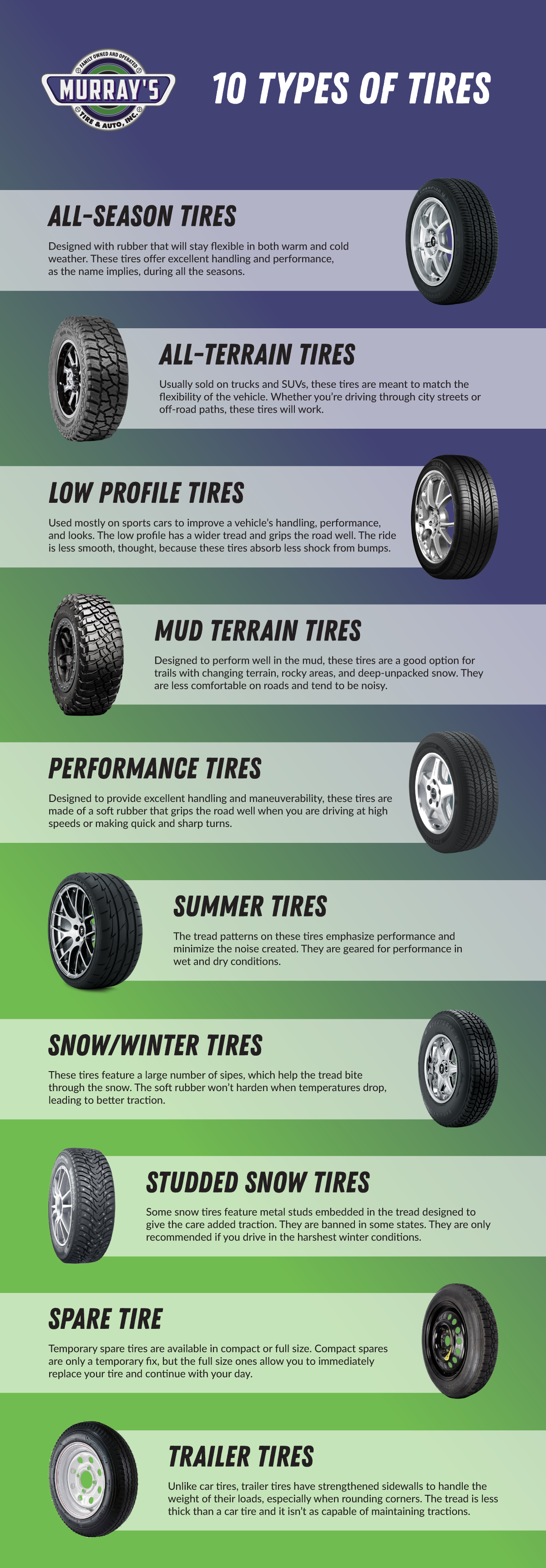
Credit: murraystirebargains.com
All-season Tire Basics
All-season tires are the most popular tire choice for many drivers. They combine features to handle different weather conditions. These tires provide a balance of performance in dry, wet, and light winter conditions. Understanding the basics helps you choose the right tires for your vehicle.
Key Features
All-season tires have a unique tread design that offers good grip on various surfaces. The rubber compound stays flexible in both warm and cool temperatures. They have moderate tread depth for water evacuation and traction on snow. These tires often include siping—small slits in the tread—to improve grip.
Performance Benefits
All-season tires deliver smooth and quiet rides on highways and city roads. They provide reliable traction on wet and dry pavement. These tires offer decent handling and braking in light snow. They last longer than summer or winter tires because of their balanced rubber compound.
Common Uses
Most drivers use all-season tires year-round in mild climates. They suit daily commuting, road trips, and light off-road driving. These tires work well on sedans, SUVs, and light trucks. People who face occasional snow but not severe winter conditions often choose all-season tires.
Touring All-season Tires
Touring all-season tires suit drivers who want a smooth, steady ride all year. These tires balance performance with comfort, making daily driving easier. They work well in dry, wet, and light snowy roads. Ideal for family cars and sedans, touring tires focus on safety and control.
Comfort And Quiet Ride
Touring tires reduce road noise for a peaceful drive. Their design absorbs bumps and vibrations from rough surfaces. This means less fatigue on long trips. The soft rubber compounds help keep the ride smooth.
Long Tread Life
These tires last longer than many others. Their tread patterns wear evenly, preventing early damage. Durable materials resist cuts and cracks. Drivers get more miles before needing new tires.
Fuel Efficiency
Touring tires lower rolling resistance, saving fuel. Less energy is needed to move the vehicle forward. This helps reduce trips to the gas station. Better fuel efficiency also means less pollution.
Performance All-season Tires
Performance all-season tires offer a great balance between everyday use and sporty driving. They work well in many weather conditions, including light snow. These tires provide sharper responses than standard all-season tires. Drivers enjoy better control without sacrificing comfort.
Designed for drivers who want more than basic traction, performance all-season tires improve your car’s handling on roads. They are common on sport sedans and coupes. These tires have special tread patterns and rubber compounds. They keep the tire gripping the road in different conditions.
Enhanced Handling
Performance all-season tires use stiffer sidewalls for better cornering. They respond quickly to steering inputs. This helps drivers feel more connected to the road. The tires reduce body roll during sharp turns. Better handling means safer and more confident driving.
Wet And Dry Traction
The tread design channels water away from the tire. This reduces the risk of hydroplaning on wet roads. The rubber compound stays flexible in warm and cool weather. It grips the road firmly on dry pavement. These tires offer reliable traction in rain and dry conditions.
Sporty Driving Experience
Performance all-season tires provide a smooth, quiet ride. They allow drivers to enjoy sporty driving without harshness. These tires improve acceleration and braking performance. They balance comfort with the excitement of a responsive drive. Perfect for drivers who want fun and practicality.
Crossover And Suv All-season Tires
Crossover and SUV all-season tires offer balanced performance for various road conditions. These tires suit drivers who need reliable traction on dry, wet, or light snowy roads. They also provide a smooth ride and good fuel efficiency for larger vehicles.
Designed to fit the weight and size of crossovers and SUVs, these tires ensure safe handling and control. Their tread patterns handle both highways and mild off-road paths, making them versatile for everyday use.
Load Capacity
Crossover and SUV tires support heavier loads than regular car tires. This is important because these vehicles often carry more passengers or cargo. Strong sidewalls and reinforced materials help maintain tire shape under pressure. This reduces wear and improves safety on long trips.
All-terrain Adaptability
These tires have tread designs that work well on different surfaces. They provide grip on pavement, gravel, and dirt roads. Special grooves channel water away to reduce hydroplaning risks. Some designs include small blocks for light off-road traction. This makes driving smoother on uneven or slippery ground.
Durability Features
Durability is key for SUV and crossover tires. Rubber compounds resist cuts, chips, and punctures. The tires last longer even with rough road use. Many models have reinforced belts to prevent damage from bumps. This saves money by reducing the need for early replacements.
All-season Winter-ready Tires
All-season winter-ready tires offer a balanced solution for drivers who face mild winter conditions. These tires perform well on dry, wet, and snowy roads. They are designed to provide safety and control without needing to switch tires between seasons.
These tires blend features from both all-season and winter tires. This makes them a popular choice for areas with occasional snow and ice. Understanding their key characteristics helps in making a smart tire choice.
Snow And Ice Traction
All-season winter-ready tires have special rubber compounds that stay soft in cold weather. This helps the tires grip snow and ice better. Their tread patterns include small grooves and sipes that improve traction on slippery surfaces. These tires reduce slipping and improve braking on winter roads.
Tread Design
The tread design of these tires features deeper grooves than regular all-season tires. These grooves channel water and slush away from the tire’s surface. This reduces the risk of hydroplaning. The tread blocks are arranged to increase grip and stability on snow-covered roads. This design balances winter traction with everyday driving comfort.
Temperature Range
All-season winter-ready tires work best in temperatures just above freezing to mild cold. Their rubber stays flexible down to about 20°F (-7°C). Below this temperature, dedicated winter tires perform better. These tires suit regions with moderate winters without prolonged extreme cold.

Credit: www.1010tires.com
Eco-friendly All-season Tires
Eco-friendly all-season tires are designed to reduce harm to the environment. They offer good performance in all weather conditions. These tires help lower fuel use and cut down on pollution. Choosing eco-friendly tires supports a cleaner planet and saves money on gas.
Low Rolling Resistance
Low rolling resistance tires need less energy to roll on roads. This means your car uses less fuel to drive. These tires reduce carbon dioxide emissions from your vehicle. They keep your ride smooth without losing grip or safety.
Sustainable Materials
Eco-friendly tires use materials that are better for nature. Some use natural rubber from plants instead of chemicals. Others recycle old tires or use bio-based oils. These materials lower the environmental impact during tire production. They help conserve resources and reduce waste.
Fuel Savings
Using eco-friendly tires leads to better fuel economy. Your car burns less gasoline, saving money at the pump. Less fuel use means fewer greenhouse gases released into the air. Over time, these tires pay for themselves through fuel savings.
Choosing The Right All-season Tire
Choosing the right all-season tire is important for safety and performance. The right tire helps you drive smoothly on different roads. It also saves money by lasting longer and using less fuel. Consider your driving needs before picking tires. Think about where and how you drive most of the time.
Matching Driving Style
Think about your driving habits. Do you drive mostly in the city or on highways? Are you a calm driver or do you like to speed? Some all-season tires offer better grip for fast driving. Others focus on comfort and quiet rides. Choose tires that fit your usual driving style. This choice improves safety and tire life.
Climate Considerations
Check the weather in your area. All-season tires work well in mild weather. They handle rain and light snow. But very cold or snowy places need special tires. Some all-season tires have better traction for winter. Pick tires that match your climate for the best results. This keeps you safe in different seasons.
Budget And Brand Options
Set a budget for your tires. Prices vary from low to high. Well-known brands often offer better quality. But some budget brands still perform well. Compare features and prices before buying. Look for tires with good reviews and warranty. This helps you get value without spending too much.
Maintenance Tips For All-season Tires
Maintaining all-season tires is key to safe driving and longer tire life. Simple care steps keep tires working well in all weather conditions. Regular checks help spot issues early. Proper air pressure improves fuel economy and tire wear. Rotating tires ensures even wear and better performance. Follow these tips to keep all-season tires in top shape.
Regular Inspections
Check tires often for cuts, cracks, or bulges. Look for uneven wear patterns. Remove stones or debris stuck in the tread. Inspect the sidewalls for damage. Early detection prevents bigger problems on the road.
Proper Inflation
Keep tires inflated to the recommended pressure. Use a tire gauge to check pressure monthly. Underinflated tires wear faster and lower fuel efficiency. Overinflated tires reduce traction and comfort. Adjust pressure before long trips or heavy loads.
Tire Rotation
Rotate tires every 5,000 to 7,000 miles. This balances wear between front and rear tires. Follow the rotation pattern suggested by the vehicle manual. Proper rotation extends tire life and improves handling. It also helps maintain even tread depth.

Credit: www.lesschwab.com
Conclusion
Choosing the right all-season tire helps keep your ride safe and smooth. Different types suit different roads and weather. Think about your driving habits and climate first. Good tires improve grip and comfort on many surfaces. Remember, regular tire care extends their life and performance.
A smart choice means better control and less worry. Stay informed, and your tires will serve you well. Safe travels start with the right tires.