Thinking about upgrading your car’s performance or giving it a fresh new heart? Engine swaps can transform your driving experience, but knowing which type fits your goals is key.
Whether you want more power, better fuel efficiency, or a unique build, understanding the different types of car engine swaps will help you make the right choice. Ready to discover the options that can take your ride to the next level?
Keep reading to find out how you can pick the perfect engine swap for your car.

Credit: iwireusa.com
Popular Engine Swap Types
Engine swaps are a popular way to boost a car’s power and performance. Different types of swaps suit different goals and budgets. Some swaps improve speed, while others focus on fuel efficiency or reliability. Below are some of the most common engine swap types used by car enthusiasts.
Small Block Swaps
Small block swaps often use compact V8 engines. They are lighter and fit easily into many cars. These engines offer good power without adding much weight. Small block swaps are popular for street cars and light racing.
Big Block Swaps
Big block swaps use larger V8 engines. They deliver high horsepower and torque. These engines are heavier and need more space. Big block swaps suit muscle cars and heavy-duty vehicles.
Turbocharged Engine Swaps
Turbocharged swaps add a turbo to increase engine power. They help smaller engines produce more speed. Turbo swaps improve acceleration and top speed. These swaps need good cooling and tuning.
Electric Motor Conversions
Electric motor conversions replace the engine with electric power. They offer instant torque and quiet operation. Electric swaps reduce emissions and fuel costs. These conversions need battery packs and controllers.
Diesel Engine Swaps
Diesel swaps use diesel engines for better fuel economy. They offer strong torque at low speeds. Diesel engines last longer and use less fuel. These swaps suit trucks and long-distance vehicles.

Credit: www.gtplanet.net
Benefits Of Engine Swapping
Engine swapping offers many benefits for car enthusiasts and everyday drivers alike. It allows a vehicle to perform better and meet specific needs. Swapping an engine can improve how a car drives, saves fuel, and lasts longer. It also gives a chance to customize the car to match personal preferences. These advantages make engine swapping a popular choice for many.
Increased Horsepower
One major benefit is increased horsepower. Replacing the old engine with a more powerful one boosts the car’s speed and acceleration. This makes the vehicle more fun to drive and better for racing or heavy-duty tasks. More horsepower means the car can handle tough conditions with ease.
Improved Fuel Efficiency
Engine swapping can improve fuel efficiency. Newer engines often use fuel better than older ones. This means the car can travel farther on less fuel. Saving fuel reduces running costs and helps the environment. A fuel-efficient engine keeps the car practical for daily use.
Enhanced Reliability
Older engines may break down or need frequent repairs. Swapping to a newer or better-built engine increases reliability. The car will start easier and run smoother. Fewer breakdowns mean less time and money spent on fixing the car. A reliable engine makes driving less stressful.
Customization Options
Engine swapping opens many customization options. You can choose an engine that fits your style and needs. Some prefer engines that make the car faster. Others want an engine that saves fuel or runs quietly. This freedom lets owners build a car that feels unique and personal.
Choosing The Right Engine
Choosing the right engine is key to a successful car engine swap. It affects how your car runs, how much you spend, and the parts you need. The engine must fit well with your car and meet your goals for power and reliability.
Think about your needs carefully. The right engine makes your project smoother and more rewarding.
Compatibility Considerations
Check if the engine fits your car’s model and year. Some engines need special mounts or wiring changes. Look at the transmission type and space in the engine bay. Make sure cooling and exhaust systems will work well together. Compatibility reduces extra work and cost.
Budget Constraints
Set a clear budget before choosing an engine. Some engines cost more to buy and install. Factor in labor, parts, and possible modifications. A cheaper engine may need more upgrades later. Balance cost with what you want from your car.
Performance Goals
Decide what you want from your car’s performance. More power, better fuel efficiency, or smoother ride? Different engines offer different strengths. Pick one that matches how you plan to use your car. This keeps your project focused and satisfying.
Availability Of Parts
Choose an engine with easy-to-find parts. Hard-to-get parts can delay repairs and raise costs. Popular engines often have many aftermarket parts and support. Check local shops and online stores for parts availability. This helps keep your car running well over time.
Credit: en.wikipedia.org
Common Challenges
Engine swaps bring excitement and new power to cars. Yet, challenges often appear during the process. These challenges need careful planning and skill to solve. Knowing common issues can save time and money.
Wiring And Electronics
Wiring is one of the toughest parts of an engine swap. Different engines have different electronic systems. Connecting the old wiring to the new engine can cause errors. Sensors may not work properly without the right setup. A clear wiring plan helps avoid electrical problems.
Mounting And Fitment
Engines come in various shapes and sizes. Fitting a new engine into an old car is tricky. Engine mounts often need changes or custom parts. Space in the engine bay can be limited. Proper fitment is key to safe and smooth operation.
Cooling System Upgrades
New engines may produce more heat than the original. Old cooling systems may fail to keep the engine cool. Upgrading radiators, fans, and hoses is often needed. Good cooling keeps the engine running well and prevents damage.
Transmission Compatibility
Engines and transmissions must work well together. New engines may not fit old transmissions easily. Adapters or new transmissions may be required. Matching the transmission ensures better performance and reliability.
Tools And Equipment Needed
Swapping a car engine requires the right tools and equipment. These tools make the process safer and easier. Each tool serves a specific purpose. Choosing the right gear can save time and reduce mistakes.
Engine Hoist And Stand
An engine hoist lifts heavy engines safely out of the car. It prevents injuries and damage to the engine. An engine stand holds the engine steady for repairs or adjustments. Both tools are essential for any engine swap.
Hand And Power Tools
Basic hand tools include wrenches, sockets, and screwdrivers. Power tools like electric drills speed up the work. These tools help remove and install parts quickly and accurately. Keep them organized for smooth workflow.
Diagnostic Equipment
Diagnostic tools check the engine’s electrical and mechanical systems. They find problems early before installation. Common devices include code readers and multimeters. Using these tools ensures the engine works well after the swap.
Safety Gear
Safety gear protects you during the engine swap. Gloves guard your hands from cuts and burns. Safety glasses shield your eyes from debris. Wear sturdy shoes and use ear protection when needed. Safety should always come first.
Legal And Registration Issues
Swapping a car engine is exciting but involves legal steps. Laws protect safety and the environment. Following these rules keeps your vehicle legal and roadworthy. Ignoring legal and registration issues can cause fines or trouble. Understanding key areas helps a smooth swap process.
Emissions Regulations
Engines must meet emissions rules set by the government. Old engines may pollute more than new ones. Swapped engines must follow local pollution standards. Some places require the new engine to be the same year or newer. Testing may be needed to prove your engine meets these limits.
Inspection Requirements
Vehicles with engine swaps often need inspections. Inspectors check safety and mechanical parts. They ensure the engine is properly installed. Wiring, mounts, and exhaust systems are examined. Passing inspection is necessary for legal driving and registration.
Documentation And Paperwork
Proper documents must accompany the engine swap. You need proof of engine origin and ownership. Bills of sale and receipts show legal purchase. Some areas require a mechanic’s report or certification. Submit paperwork to update your vehicle’s registration details.
Popular Engine Swap Projects
Engine swaps are popular among car fans who want to boost power or change style. Swapping an engine can give old cars new life and improve performance. Many projects stand out for their creativity and results. Here are some popular types of engine swaps that car lovers choose.
Classic Muscle Cars
Classic muscle cars often get bigger, stronger engines. Swapping in a modern V8 or crate engine is common. This upgrade keeps the vintage look but adds power. It makes the car faster and more reliable on the road. Many builders prefer engines like the LS series for these swaps.
Japanese Tuners
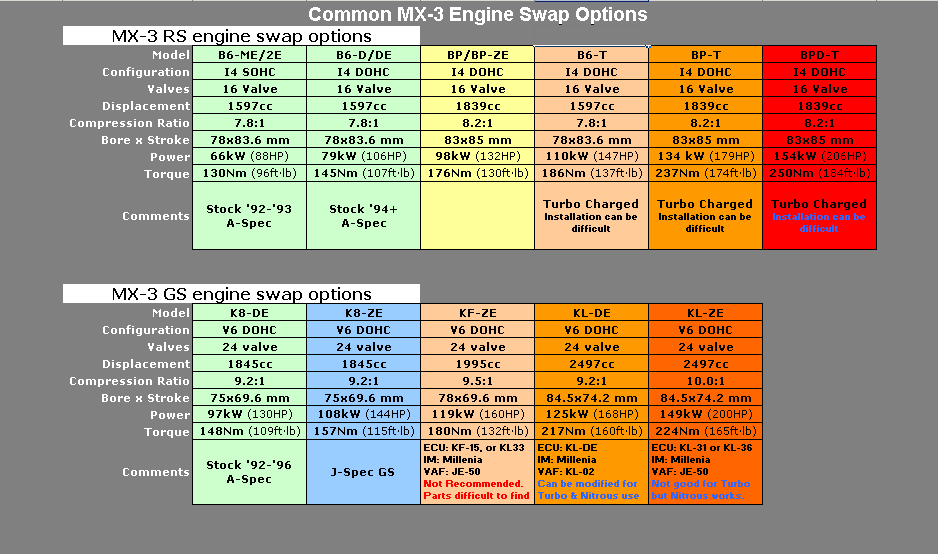
Japanese tuner cars are famous for their small, fast engines. Swapping engines like the SR20DET or RB26DETT improves speed and tuning options. Some swaps use bigger or newer engines to increase horsepower. These swaps keep the cars light and agile for street or track use.
Off-road Vehicles
Off-road vehicles need strong engines to handle rough terrain. Swapping in diesel or turbocharged engines is common. These engines provide more torque and better fuel efficiency. Many off-roaders upgrade to V8s or larger displacement engines. This helps with climbing, towing, and long trips.
Electric Conversion Examples
Electric conversions replace old engines with electric motors. This swap creates a quiet and eco-friendly vehicle. Classic cars and daily drivers both get this upgrade. Electric motors offer instant torque and low maintenance. Many projects use kits to simplify the electric swap process.
Maintenance After Swap
Maintaining your car after an engine swap is crucial. The new engine needs care to run smoothly and last long. Regular checks and timely fixes keep your car safe and efficient. Understanding the maintenance tasks helps avoid costly repairs and breakdowns.
Routine Checks
Check the oil level and quality often. New engines may use different oil types. Monitor coolant levels to prevent overheating. Inspect belts and hoses for cracks or wear. Tighten bolts and mounts to avoid vibrations. Keep an eye on the battery and electrical connections.
Troubleshooting Common Issues
Listen for unusual sounds like knocking or rattling. Watch for warning lights on the dashboard. Check for leaks under the engine bay. Monitor the engine temperature for overheating signs. Address any rough idling or stalling quickly. Early detection stops bigger problems.
Upgrading Supporting Components
Upgrade the radiator to handle extra heat. Use a stronger clutch to manage power. Improve the exhaust system for better flow. Enhance the fuel system for proper delivery. Consider stronger engine mounts for stability. These upgrades protect the new engine and improve performance.
Conclusion
Swapping a car engine can change your vehicle’s power and style. Different types of engine swaps fit different needs and budgets. Some swaps focus on speed, others on reliability or fuel economy. Choose the swap that matches your car and goals.
Always plan carefully and check compatibility. Engine swaps take time but can bring new life to your car. Keep learning and enjoy the process. Your car can become truly unique with the right engine swap.