
Have you ever wondered how your car knows exactly when to adjust its speed, keep you safe, or even warn you about trouble before you notice it? The secret lies in its sensors.
These small but powerful devices play a huge role in making your driving smoother and safer. Understanding the different types of car sensors can help you take better care of your vehicle and even spot issues early. Keep reading, and you’ll discover how these sensors work and why they matter to you every time you get behind the wheel.

Credit: ascencione.com
Common Car Sensors
Cars have many sensors that help them run smoothly. These sensors send important information to the car’s computer. This information helps control the engine, brakes, and more. Some sensors are very common and found in almost all vehicles. Understanding these common sensors helps you know how your car works.
Oxygen Sensors
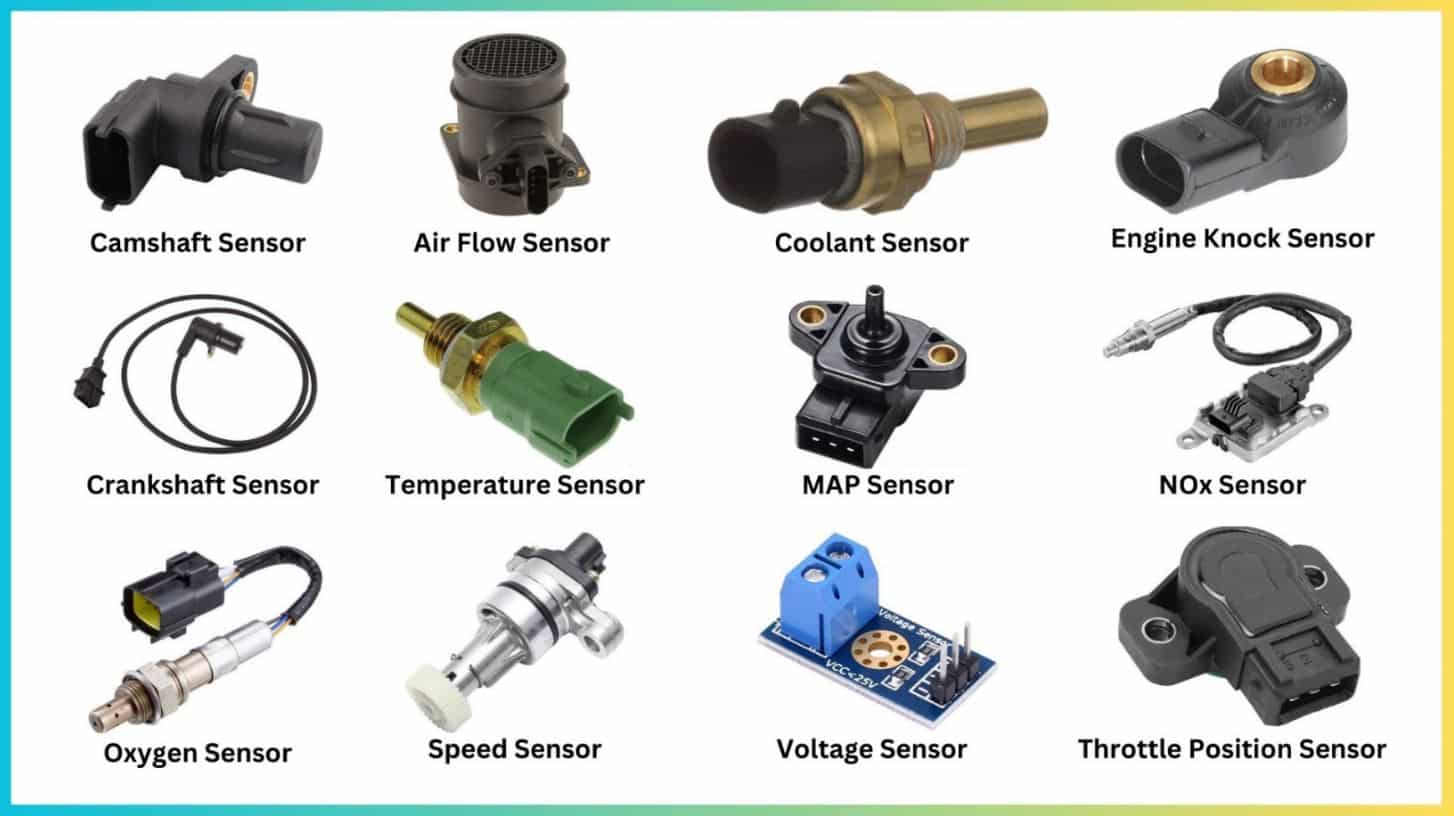
Oxygen sensors check the air and fuel mix in the engine. They measure the amount of oxygen in the exhaust gases. This helps the engine use fuel better and reduce pollution. A bad oxygen sensor can cause poor fuel economy and higher emissions.
Temperature Sensors
Temperature sensors monitor the engine’s heat. They tell the car’s computer if the engine is too hot or too cold. This helps protect the engine from damage. The sensor also helps control the temperature inside the car for comfort.
Pressure Sensors
Pressure sensors measure air or fluid pressure in the car. They check tire pressure, oil pressure, and fuel pressure. These sensors ensure the car parts work safely and efficiently. Low or high pressure can cause serious engine problems or safety issues.
Safety Sensors
Safety sensors play a key role in protecting drivers and passengers. These sensors detect risks and trigger safety features quickly. They help reduce accidents and injury by alerting the driver or activating safety systems automatically.
Modern cars use several types of safety sensors. Each type serves a specific purpose. Together, they create a safer driving experience.
Airbag Sensors
Airbag sensors detect sudden impacts or crashes. They send signals to deploy airbags instantly. This helps cushion passengers and reduce injury. These sensors monitor force and direction during a collision.
Collision Sensors
Collision sensors warn drivers about possible crashes. They use radar or cameras to spot obstacles ahead. These sensors alert the driver to brake or steer away. Some systems can apply brakes automatically to prevent accidents.
Blind Spot Sensors
Blind spot sensors monitor areas beside and behind the car. They alert drivers when another vehicle is in the blind spot. This helps avoid side collisions during lane changes. These sensors improve awareness on busy roads and highways.
Performance Sensors
Performance sensors play a key role in a car’s engine. They help the engine run smoothly and efficiently. These sensors give important data to the car’s computer. The computer uses this data to adjust engine settings. This keeps the car running well under different conditions. Below are some common performance sensors found in many vehicles.
Throttle Position Sensors
The throttle position sensor measures the angle of the throttle valve. It tells the engine how much air is entering. This helps control fuel injection and ignition timing. The sensor improves acceleration and fuel efficiency. It also helps prevent engine stalling or hesitation during driving.
Mass Airflow Sensors
Mass airflow sensors measure the amount of air entering the engine. The sensor sends this information to the engine control unit. This data helps balance fuel and air for proper combustion. It ensures the engine gets the right air-fuel mix. This improves engine power and lowers emissions.
Knock Sensors
Knock sensors detect engine knocking or pinging sounds. These sounds indicate poor combustion or fuel issues. The sensor signals the engine computer to adjust the timing. This prevents engine damage and maintains smooth performance. Knock sensors help protect the engine and improve fuel use.
Advanced Driver Assistance Sensors
Advanced driver assistance sensors help cars detect their surroundings. They improve safety and make driving easier. These sensors work together to alert drivers about obstacles, other vehicles, and pedestrians. They also assist with parking and maintaining safe distances.
These sensors use different technologies. Each type plays a unique role in vehicle safety systems.
Radar Sensors
Radar sensors use radio waves to detect objects. They measure the distance and speed of other vehicles. These sensors work well in bad weather and low light. Cars use radar for adaptive cruise control and collision warnings.
Lidar Sensors
Lidar sensors use laser beams to create detailed maps. They scan the environment in 3D. This helps cars identify shapes and sizes of objects. Lidar improves accuracy in detecting pedestrians and obstacles.
Ultrasonic Sensors
Ultrasonic sensors use sound waves to find nearby objects. They are mostly used for parking assistance. These sensors detect curbs, walls, and other close obstacles. Ultrasonic technology works best at short distances.
Maintenance And Diagnostic Sensors
Maintenance and diagnostic sensors keep your car running smoothly. They watch key parts and send alerts if problems arise. These sensors help you avoid costly repairs and unsafe driving conditions. They gather real-time data and inform you about your car’s health. Understanding these sensors can improve your car care routine.
Check Engine Light Sensors
Check engine light sensors monitor the engine’s performance. They detect issues like misfires or emissions problems. When a fault appears, the check engine light turns on. This alert helps drivers know when to get a diagnosis. Mechanics use these sensors to find and fix engine problems quickly.
Fuel Level Sensors
Fuel level sensors measure how much fuel is in the tank. They send data to the fuel gauge on the dashboard. Accurate readings prevent you from running out of gas unexpectedly. These sensors help plan refueling stops and maintain smooth trips. They also assist in detecting fuel leaks or system errors.
Battery Sensors
Battery sensors check the battery’s voltage and health continuously. They warn if the battery is weak or failing. This information prevents sudden battery failures and car breakdowns. Battery sensors support efficient charging and electrical system performance. Keeping an eye on battery status ensures reliable car starts.

Credit: www.autolastgh.com
Sensor Integration And Vehicle Safety
Sensor integration plays a key role in modern vehicle safety. Sensors collect data from different parts of the car. This data helps the car’s system make smart decisions. By working together, sensors can prevent accidents and protect passengers.
Cars use many types of sensors. Each sensor focuses on a specific task. When combined, these sensors create a full picture of the car’s environment. This integration improves how the vehicle reacts to road conditions.
How Sensors Work Together
Sensors share information through a central computer. This computer analyzes data from cameras, radar, and lidar. It checks the speed, distance, and obstacles around the car. The system then decides if it needs to brake or steer.
For example, if the radar detects a slow car ahead, the system slows down. At the same time, the camera confirms the object’s position. This teamwork helps avoid collisions more effectively than one sensor alone.
Impact On Driving Safety
Sensor integration reduces human error. It can warn drivers about dangers they might not see. Sensors detect blind spots, lane departures, and sudden stops. Alerts help drivers react faster and avoid crashes.
Emergency braking systems use sensor data to stop the car automatically. This feature lowers the risk of rear-end collisions. Many studies show that cars with integrated sensors have fewer accidents.
Future Sensor Technologies
New sensors will gather more detailed information. Advancements in artificial intelligence will improve data processing. This means cars will predict hazards earlier and more accurately.
Future vehicles may use sensors that detect driver fatigue or health issues. Integration with smart city infrastructure could enhance road safety. These technologies will make driving safer and more comfortable.
Credit: www.theengineerspost.com
Conclusion
Car sensors play a vital role in vehicle safety and performance. They help detect problems early and keep cars running smoothly. Understanding different sensor types helps you appreciate modern car technology. Each sensor has a unique job to monitor and control various parts.
Staying aware of these sensors can save time and money on repairs. Cars become smarter and safer with these important devices. Knowing their functions makes driving more reliable and less stressful. Car sensors are small but powerful tools inside every vehicle.