Are you planning to get your driver’s license or curious about the different types available? Knowing the right type of license you need can save you time, money, and stress.
Whether you want to drive a car, a motorcycle, or even a commercial vehicle, each license has its own rules and benefits. You’ll discover the main types of driver’s licenses and what each one allows you to do. By the end, you’ll feel confident about choosing the right license for your needs.
Keep reading to find out which driver’s license fits you best!
Common License Categories
Driver’s licenses come in different types. Each type allows you to drive specific vehicles. Understanding common license categories helps you know what you need. It also ensures you follow the law and drive safely.
Private Vehicle Licenses
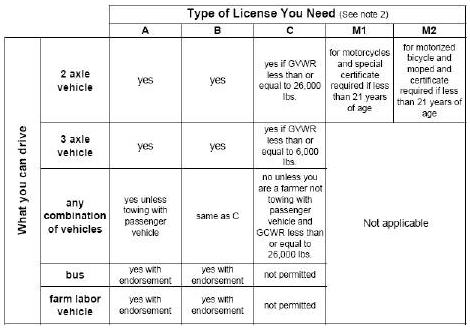
Private vehicle licenses allow you to drive cars and small trucks. These licenses are the most common. They cover personal use and family transport. You must pass a test on driving skills and road rules. This license is enough for daily travel and errands.
Commercial Vehicle Licenses
Commercial vehicle licenses are for large trucks and buses. They require special training and tests. Drivers must show they can handle heavy loads and passengers safely. These licenses often need a medical check. They are essential for jobs in transport and delivery services.
Motorcycle Licenses
Motorcycle licenses are needed to ride two-wheeled vehicles. Riders must prove balance and control on the road. The test usually includes a written part and a riding skill test. This license ensures the rider knows how to operate a motorcycle safely. It covers all types of motorcycles.
Special Vehicle Licenses
Special vehicle licenses cover unique vehicles like tractors or emergency vehicles. These licenses require specific knowledge and skills. Drivers must understand the special rules for these vehicles. They are often used in farming, construction, or public safety roles. This license ensures safe operation in special conditions.
Credit: www.californiacarlaws.com
Requirements For Each License
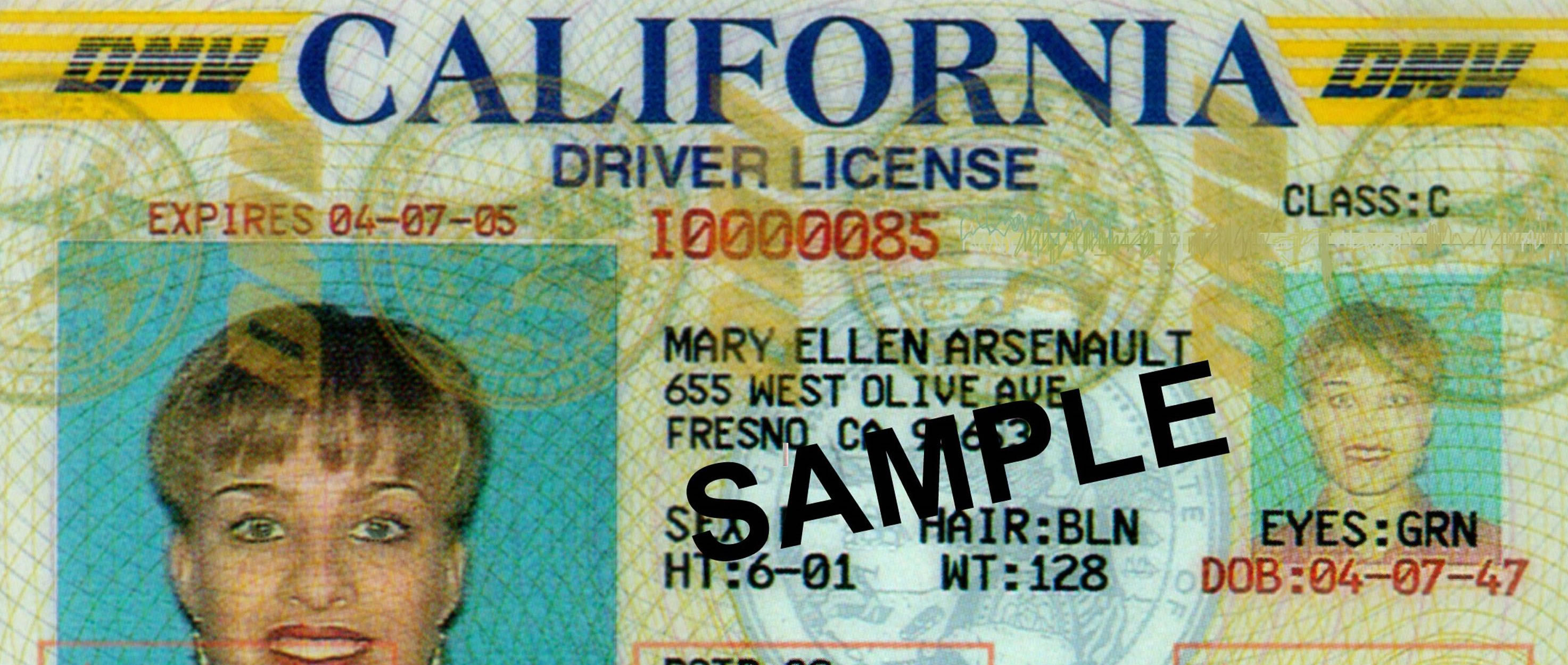
The requirements for each type of driver’s license vary by license class. Each license has specific rules about age, training, and health. Understanding these rules helps you prepare and succeed in getting your license.
These requirements ensure drivers are safe and ready to drive different vehicles. Meeting them is important for your safety and others on the road.
Age And Eligibility Criteria
Most licenses require a minimum age. For example, a learner’s permit might start at 15 or 16 years old. Full licenses often need you to be 18 or older. Some licenses have restrictions for young drivers. Eligibility depends on residency and legal status. Each state or country sets its own rules.
Training And Testing
Driver training is often mandatory. You may need to complete a course before applying. This includes classroom lessons and behind-the-wheel practice. Tests usually include a written exam and a road skills test. Passing both is required to get your license. Some licenses require additional tests for commercial or motorcycle driving.
Medical And Vision Standards
Medical checks ensure drivers are fit to drive. Vision tests check your eyesight to meet safety standards. Some licenses need periodic health reviews. Conditions like epilepsy or heart problems may affect eligibility. You must report any changes in health that could affect driving. These rules keep all drivers safe on the road.
Benefits Of Different Licenses
Different types of driver’s licenses offer unique benefits. Each license suits specific needs and goals. Understanding these benefits helps you choose the right license. It also helps you plan for your future driving and career.
Employment Opportunities
Certain jobs require specific driver’s licenses. Commercial driver’s licenses open doors to truck driving jobs. Chauffeur or delivery roles may need specialized licenses. Holding the correct license increases your job options. Employers prefer candidates with the right licenses for their roles.
Legal Protections
Different licenses provide legal permissions to drive certain vehicles. This protects you from fines or legal trouble. Having the proper license ensures you follow the law. It also shows that you have passed necessary tests. This can help in case of accidents or disputes.
Insurance Advantages
Insurance companies offer better rates to licensed drivers. Specialized licenses may lower insurance costs for specific vehicles. Holding the right license proves your driving skills. This reduces risk for insurers and can save you money. Insurance benefits vary based on the license type and vehicle.
Credit: www.mycaliforniapermit.com
International And Special Permits
Driver’s licenses come in many forms beyond the standard types. International and special permits allow drivers to operate vehicles in specific situations or locations. These permits meet unique needs and help ensure safe driving.
International Driving Permits
International Driving Permits (IDPs) allow driving in foreign countries. They translate your home license into several languages. IDPs work as proof that you hold a valid license. Many countries require them for tourists and business travelers. Carry an IDP along with your original license.
Temporary And Learner Permits
Temporary permits let new drivers practice on the road. Learner permits are issued to individuals learning to drive. These permits have restrictions, such as no night driving or no passengers. They ensure beginners gain experience safely. Requirements vary by region but usually include a written test.
Disabled Driver Licenses
Disabled driver licenses accommodate people with physical challenges. They often include special endorsements or vehicle modifications. These licenses help drivers maintain independence and mobility. Medical evaluations may be required before issuance. Authorities may provide additional support or resources for disabled drivers.
Renewal And Upgrade Options
Driver’s licenses need regular attention to stay valid and useful. Renewal and upgrade options help drivers keep their licenses current and expand their driving privileges. Understanding these processes can save time and avoid legal issues.
Renewal is essential to continue driving legally. Upgrading allows drivers to operate different types of vehicles. Both require following specific rules set by local authorities.
Renewal Procedures
Renewing a driver’s license usually happens every few years. Many places send reminders before expiration. Renewal can often be done online, by mail, or in person.
Drivers must provide identification and sometimes pass vision tests. Fees apply for processing the renewal. Early renewal is wise to avoid lapses in license validity.
Upgrading License Categories
Upgrading means changing the type of license to drive larger or special vehicles. For example, moving from a regular car license to a commercial license.
Applicants often need to take additional tests. These include written exams and road tests for the new vehicle class. Training courses may be required before applying.
Maintaining Good Driving Records
Good driving records help with smooth renewals and upgrades. Avoiding traffic violations keeps your record clean. A clean record often means lower fees and fewer restrictions.
Some areas offer points systems. Accumulating points from violations can delay renewals or upgrades. Safe driving habits protect your license status.

Credit: www.lohud.com
Conclusion
Different types of driver’s licenses serve different needs. Some allow you to drive cars, others cover motorcycles or commercial vehicles. Knowing which license fits your situation helps you drive legally and safely. Always check your local rules before applying. Keep your license updated and follow traffic laws.
Driving responsibly protects you and others on the road. Understanding licenses makes your driving journey easier and clearer.