
Are you curious about the different types of EV charging stations and which one fits your needs best? Whether you own an electric vehicle or are thinking about getting one, understanding the options can save you time and hassle.
From quick top-ups to full charges at home, each station offers unique benefits that impact your daily routine. Keep reading to discover the key types of EV charging stations and how they can make your electric driving experience smoother and more convenient.

Credit: www.preciseparklink.com
Ev Charging Basics
Electric vehicle (EV) charging is a key part of driving an EV. It means putting power back into the car’s battery. Understanding the basics helps you use EV chargers well. It also helps you choose the right charging station for your needs.
Charging an EV is different from filling a gas tank. It uses electricity and special plugs. Knowing how charging works and the terms used makes EV charging simple and clear.
How Ev Charging Works
EV charging moves electricity from a power source to the car’s battery. The charger controls the flow to keep the battery safe. There are different types of chargers, each with its own speed. Some chargers work at home, others in public places.
The charger connects to the car with a cable. This cable plugs into the car’s charging port. The battery stores the electricity until the car is ready to drive again.
Key Charging Terminology
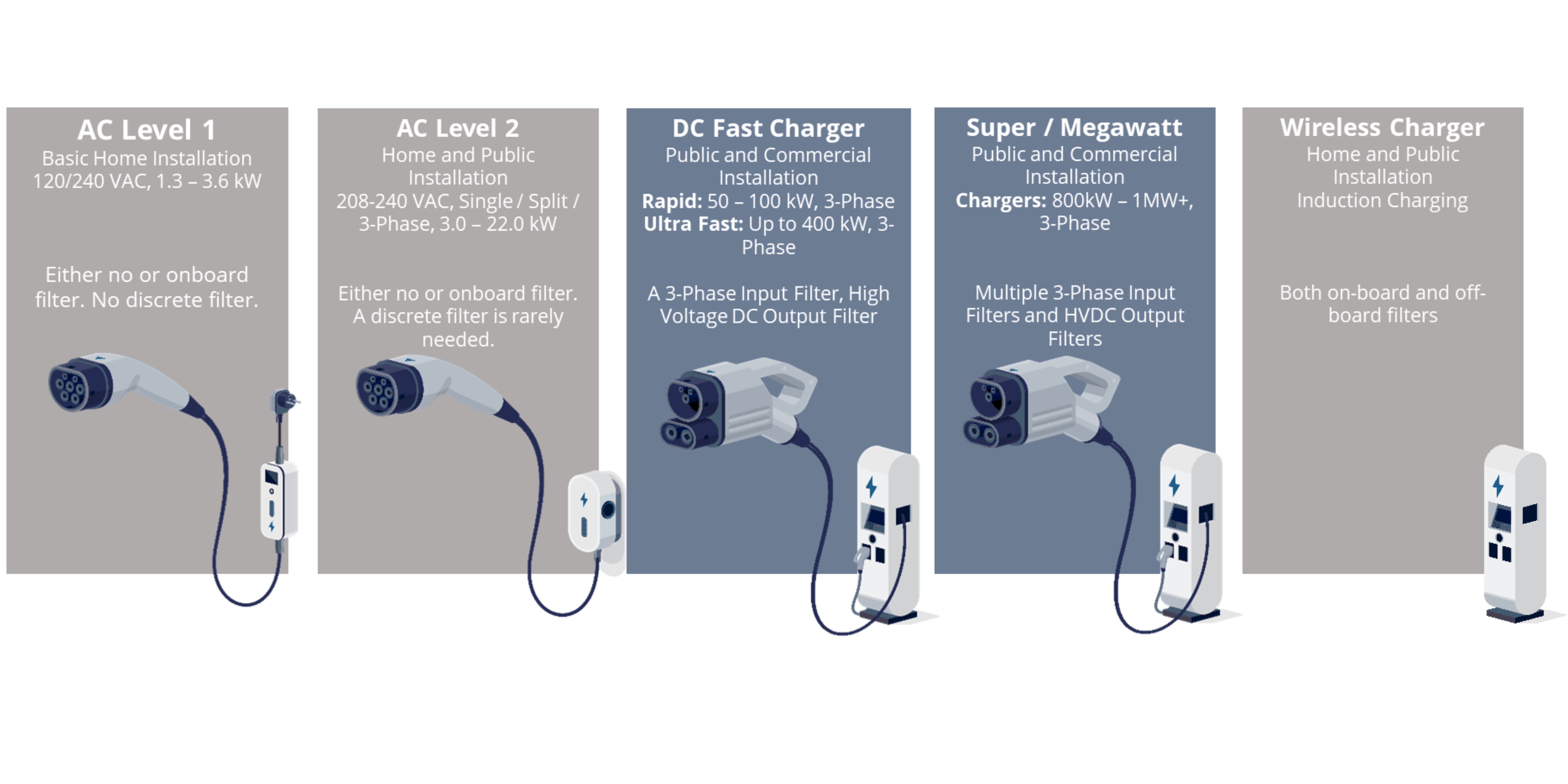
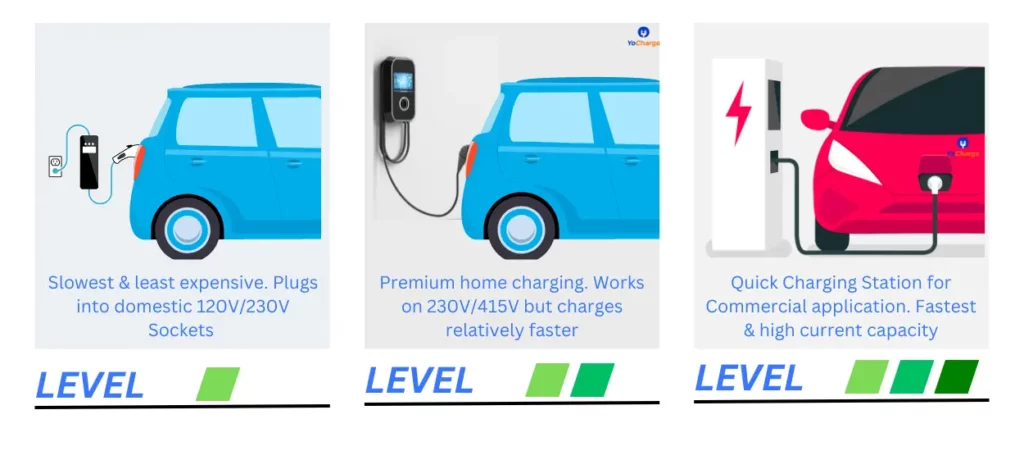
Understanding charging words helps you read EV station signs and manuals. “Level 1” means slow charging from a normal outlet. “Level 2” uses a stronger power supply for faster charging. “DC fast charging” is the quickest way to charge at special stations.
“kW” stands for kilowatt. It shows how fast the charger delivers electricity. Higher kW means faster charging. “Range” means how far the car can go after charging. “Charging time” is how long it takes to add power.
Level 1 Charging
Level 1 charging is the most basic type of electric vehicle (EV) charging. It uses a standard 120-volt household outlet. This makes it easy to charge an EV almost anywhere. It does not require special equipment or installation. Level 1 chargers are often included with the EV purchase. They provide a simple and affordable way to keep your car charged.
Power And Speed
Level 1 chargers deliver about 1.4 kilowatts of power. This adds roughly 3 to 5 miles of range per hour. Charging a full battery can take 12 to 24 hours. The slow speed is due to the low voltage and current. It is best for overnight charging or long parking times.
Ideal Use Cases
Level 1 charging works well for daily commuters with short drives. It suits people who can charge their car at home overnight. Also, it is useful for workplaces without fast chargers. For drivers who do not need quick top-ups, this charger is enough. It fits those who drive fewer miles each day.
Level 2 Charging
Level 2 charging stations are a popular choice for electric vehicle owners. They offer faster charging than basic Level 1 chargers. Many homes and public places use Level 2 stations. They make recharging your car quicker and more convenient.
Charging Speed And Power Output
Level 2 chargers use a 240-volt power source. This allows them to deliver more power than Level 1 chargers. Typically, they provide between 3.3 kW and 19.2 kW of power. This means your car can gain 10 to 60 miles of range per hour. It suits daily use and quick top-ups.
Installation And Accessibility
Installing a Level 2 charger requires a special outlet. Most homes need an electrician for setup. Public places often install them in parking lots. They are easy to use and widely available. Many businesses offer Level 2 charging for customers. This makes it easier to keep your EV charged on the go.
Credit: www.astrodynetdi.com
Dc Fast Charging
DC Fast Charging is a type of electric vehicle (EV) charger that delivers power much faster than regular chargers. It can charge an EV battery up to 80% in about 30 minutes. This speed makes it ideal for quick stops during long trips or busy days. The charger connects directly to the car’s battery, bypassing the onboard charger to provide high power.
High-speed Charging Benefits
DC Fast Charging saves a lot of time. Drivers can recharge quickly and continue their journey. It reduces waiting time at charging stations. This type of charging helps reduce range anxiety, the fear of running out of battery. It also supports long-distance travel by making stops shorter. Businesses benefit because customers spend less time waiting.
Compatibility And Standards
Not all EVs support DC Fast Charging. Compatibility depends on the car and charger type. Common standards include CCS, CHAdeMO, and Tesla Supercharger. CCS is popular in Europe and North America. CHAdeMO is common in some Asian models. Tesla uses its own Supercharger network. Knowing the right standard helps find suitable chargers easily.
Ultra-fast Charging
Ultra-fast charging stations are the newest type of electric vehicle chargers. They can charge a car much quicker than regular chargers. This means less waiting time for drivers. Ultra-fast chargers use a lot of power to deliver energy fast. They are changing how people think about electric car charging.
Next-generation Chargers
Next-generation chargers offer very high power output. They can provide up to 350 kW or more. This power level can charge some electric cars in under 20 minutes. These chargers use advanced technology to manage heat and power flow. They also have smart systems to communicate with the vehicle. This helps optimize charging speed and safety.
Impact On Battery Life
Ultra-fast charging can affect battery health over time. Charging very quickly produces more heat inside the battery. Heat can reduce battery lifespan if not managed well. Most modern batteries have cooling systems to protect them. Still, frequent ultra-fast charging may wear the battery faster. It is best to balance fast charging with slower, regular charging sessions.
Wireless Ev Charging
Wireless EV charging is a new way to power electric vehicles without plugs or cords. It uses a special pad that sends energy to the car through the air. This method offers a clean and easy charging experience. Drivers can just park their car over the charging pad to start charging.
This technology is growing in popularity. It brings convenience for everyday use and helps reduce wear on charging ports. Wireless charging works through magnetic fields that transfer energy safely and efficiently.
How Wireless Charging Works
A wireless charging system has two main parts: a charging pad and a receiver in the car. The pad creates a magnetic field by sending electricity through a coil. The car’s receiver coil catches this magnetic energy and turns it back into electricity. This electricity charges the car’s battery.
The driver parks the vehicle on the pad, and charging starts automatically. No cables or plugs are needed. The system uses safe levels of energy to avoid harm to people or pets nearby.
Advantages And Limitations
Wireless charging is easy and convenient. It removes the need to handle cables or connectors. This lowers the risk of damage to charging equipment. It also keeps the charging area clean and dry.
On the downside, wireless charging can be slower than wired charging. The charging pad and vehicle must be aligned correctly for good energy transfer. The cost of installing wireless systems is higher than traditional chargers. This technology is still developing, and not all cars support it yet.
Public Vs Home Charging Stations
Electric vehicle (EV) owners have two main options for charging: public stations and home stations. Each type offers unique benefits and challenges. Understanding these can help you decide which suits your lifestyle and budget best.
Public charging stations are found in parking lots, shopping centers, and other public places. They are convenient for quick top-ups during errands or long trips. Home charging stations are installed in garages or driveways. They offer the comfort of charging your EV overnight without leaving your house.
Cost And Convenience Factors
Public chargers often charge by the hour or kilowatt-hour. Prices vary depending on location and charger speed. Fast chargers at public stations cost more but save time. Home chargers require an upfront cost for equipment and installation. Electricity at home is usually cheaper than public rates. Charging at home takes longer but happens while you sleep. Public charging offers flexibility but can be less predictable in price and availability.
Choosing The Right Option
Consider your daily driving distance and parking situation. Home charging suits those with a private parking space and regular routes. Public charging is better for drivers without a fixed parking spot or who travel long distances. Some EV owners combine both options for maximum convenience. Think about your budget, routine, and access to chargers before deciding.
Charging Network Providers
Charging network providers play a vital role in the electric vehicle (EV) ecosystem. They manage and operate the charging stations that EV drivers use daily. These providers offer access to multiple charging points across cities and highways. Choosing the right network provider can affect your charging experience and convenience. Understanding their features helps you pick the best option for your needs.
Popular Networks And Coverage
Several charging networks dominate the market. Tesla Supercharger is famous for fast and reliable charging. Electrify America offers a wide range of chargers across many states. ChargePoint has one of the largest networks with thousands of locations worldwide. EVgo focuses on fast chargers in urban areas. Each network covers different regions and types of chargers. Checking coverage maps ensures you find stations near your routes.
Membership And Payment Models
Charging networks use various payment methods. Some require memberships with monthly fees for lower charging costs. Others allow pay-as-you-go options without any subscription. Many networks accept credit cards, mobile apps, or RFID cards for easy payment. Some offer free charging for certain users or during specific times. Understanding these models helps you save money and avoid surprises. Choose the model that fits your driving habits best.
Future Trends In Ev Charging
The future of EV charging is bright and full of innovation. Charging stations will become smarter and more efficient. New technologies will make charging faster and easier. Sustainability will play a key role in future developments.
Smart Charging Technologies
Smart charging uses technology to manage power better. It adjusts charging speed based on electricity demand. This helps avoid power grid overloads. Users can schedule charging at cheaper times. Smart chargers communicate with cars and the grid. This leads to cost savings and less energy waste.
Integration With Renewable Energy
Renewable energy will power many EV charging stations. Solar and wind energy can reduce carbon emissions. Some chargers will store energy for later use. This makes charging more eco-friendly and reliable. Using clean energy supports a greener future for all.
Credit: yocharge.com
Conclusion
Electric vehicle charging stations come in many types to fit different needs. Each type offers unique speed and convenience. Knowing these options helps you choose the right charger. Whether at home or on the road, charging is easier than before.
As electric cars grow in popularity, understanding chargers matters more. This knowledge makes your EV experience smoother and stress-free. Keep exploring to find the best fit for your lifestyle. Charging your electric vehicle can be simple and efficient.