
When winter hits, your car needs the right tires to keep you safe and in control. But did you know that not all winter tires are the same?
Choosing the right type of snow tire can make a big difference in how your vehicle handles icy roads and deep snow. If you want to stay confident behind the wheel and avoid slipping or getting stuck, it’s important to understand the options available.
Keep reading to discover the different types of winter and snow tires, so you can find the perfect fit for your car and your winter driving needs.
Why Winter Tires Matter
Winter tires play a key role in keeping you safe during cold months. They help your car grip icy and snowy roads better. Regular tires get hard and lose traction in low temperatures. Winter tires stay soft and flexible. This improves control and reduces slipping risks.
Impact Of Cold Weather On Tires
Cold weather makes normal tires stiff and less sticky. This causes poor road contact and longer stopping distances. Snow and ice further reduce tire grip. Regular tires do not handle these conditions well. They can increase the chance of accidents in winter. Winter tires use special rubber compounds that stay soft below 45°F (7°C). This keeps the tire surface flexible. Flexible tires hold the road better in winter. Tread patterns on winter tires also help clear snow and slush.
Benefits Of Specialized Tires In Snow
Winter tires have deep grooves that push snow and water away. This helps prevent slipping and hydroplaning. They also have tiny cuts called sipes. Sipes create extra edges that grip ice and hard snow. This means better traction and safer driving. Winter tires shorten stopping distance on slick roads. They improve handling on hills and curves covered in snow. Using winter tires reduces the risk of skidding and losing control. These tires give confidence to drive safely in harsh winter weather.
Studded Tires
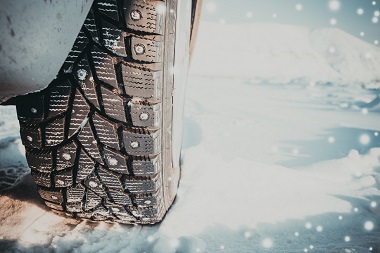
Studded tires are a popular choice for driving on icy roads. They have small metal studs embedded in the tire tread. These studs dig into ice, giving extra grip and control. Many drivers prefer studded tires in harsh winter conditions. They help prevent slipping and improve safety.
Design And Features
Studded tires have tiny metal pins set into the rubber. The studs stick out slightly from the tire surface. This design helps the tire bite into ice and packed snow. The rubber tread around the studs is soft. It stays flexible in cold weather for better traction. The studs are made from durable metals like tungsten carbide. They last through many miles of icy driving.
Advantages In Ice Conditions
Studded tires provide strong grip on slick ice patches. They reduce sliding and help the vehicle stop faster. Drivers feel more confident on frozen roads. These tires improve control during turns and sudden moves. They work best on ice, packed snow, and hard, slippery surfaces. Studded tires also help on steep hills where traction is critical.
Drawbacks And Restrictions
Studded tires can damage pavement and road surfaces. They make more noise while driving compared to regular tires. Using them on dry or wet roads may reduce tire life. Some areas have laws limiting or banning studded tires. Check local regulations before using them. They are best suited for areas with long, icy winters only.
Studless Ice And Snow Tires
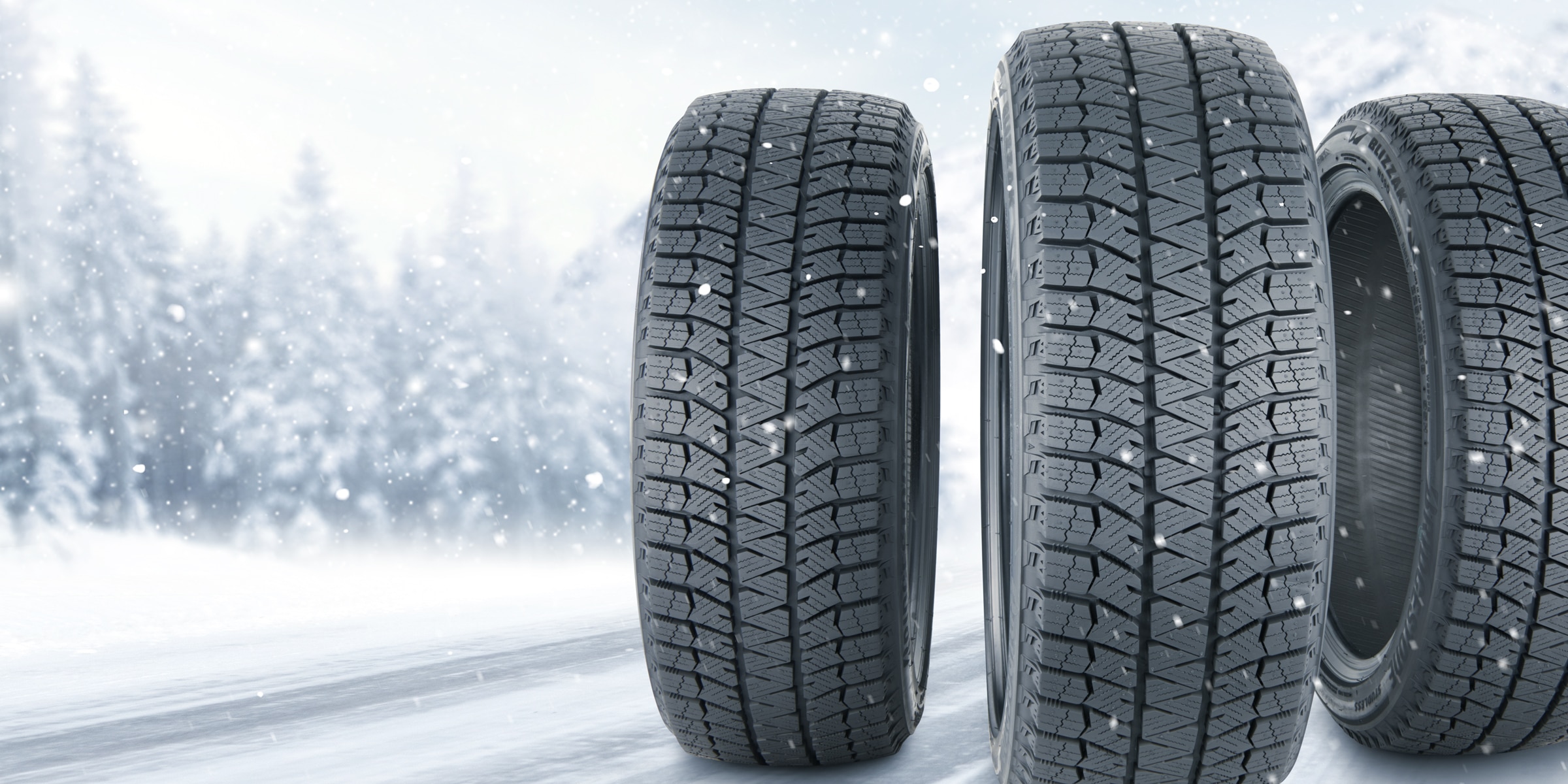
Studless ice and snow tires provide excellent traction without metal studs. They use special designs and materials to grip icy roads safely. These tires work well in cold weather and snowy conditions. They offer a quiet, smooth ride compared to studded tires.
Tread Patterns And Rubber Compounds
Studless tires have deep, aggressive tread patterns. These patterns channel snow and slush away from the tire. Small grooves called sipes increase grip on ice. The rubber compounds stay soft in cold temperatures. This flexibility helps the tire cling to icy surfaces better.
Performance On Ice And Snow
These tires provide strong control on icy roads. They reduce slipping and help with braking. On snow, the wide tread blocks bite into the surface. This improves acceleration and cornering. They do not damage roads like studded tires do.
Best Use Scenarios
Studless tires suit drivers in areas with frequent ice and snow. They work well on city streets and highways. Ideal for places with mixed winter weather and salt-treated roads. They fit drivers who want quiet rides without sacrificing safety. Not the best choice for extreme ice sheets or long icy stretches.
Credit: www.tirerack.com
All-weather Vs Winter Tires
Choosing the right tires for winter is important for safe driving. All-weather and winter tires are popular options. Both help with traction on cold, slippery roads. Knowing their differences helps pick the best fit for your needs.
Key Differences
All-weather tires work well in many seasons. They handle light snow and rain. Their tread design is less aggressive than winter tires. Winter tires have special rubber that stays soft in cold. They offer better grip on snow and ice. Winter tires also have deeper treads and more sipes. These features help clear snow and improve traction.
When To Choose All-weather
Choose all-weather tires if winters are mild. They suit places with little snow or ice. These tires avoid the need for seasonal changes. They perform well on dry and wet roads too. All-weather tires provide a good balance for year-round use.
When To Choose Winter Tires
Winter tires are best for heavy snow and ice. Use them in regions with long, cold winters. They improve safety in freezing temperatures. Winter tires help stop faster and steer better on snow. Change to winter tires before the first snowfall for best results.
Performance Winter Tires
Performance winter tires offer a special balance of grip and speed on cold roads. They are made for drivers who want control and precision during winter. These tires help sports cars maintain their edge in chilly weather.
Features For High-speed Handling
Performance winter tires have stiff sidewalls for better cornering. They use special rubber that stays soft in cold temperatures. Tread patterns are designed to reduce slippage on icy roads. These features help keep the car stable at higher speeds.
Suitability For Sports Cars
Sports cars need tires that match their power and design. Performance winter tires fit this need well. They provide better traction without losing responsiveness. Drivers get more control and confidence on snowy streets.
Limitations In Deep Snow
These tires are not made for heavy snow or off-road use. Their tread depth is shallower than traditional snow tires. They may struggle in deep snow or thick slush. For harsh winter conditions, a different tire type works better.
Credit: www.hilltoptireservice.com
Suv And Truck Winter Tires
SUV and truck winter tires are made for bigger, heavier vehicles. These tires help maintain control and safety on icy or snowy roads. They offer strong grip and support to handle tough winter conditions.
Design Adaptations For Larger Vehicles
Winter tires for SUVs and trucks have deeper treads. This design helps clear snow and slush easily. The rubber stays soft in cold weather for better grip. Tires are also wider for more road contact.
Load Capacity And Traction
These tires carry heavier loads safely. They have stronger sidewalls to hold the vehicle’s weight. Special tread patterns improve traction on snow and ice. This reduces slipping and helps with braking.
Popular Models
Many brands offer reliable winter tires for SUVs and trucks. Some popular models include Bridgestone Blizzak DM-V2 and Michelin Latitude X-Ice Xi2. These tires deliver good performance in cold weather and snow.
Tire Maintenance In Winter
Winter tires need special care during cold months. Proper maintenance keeps them safe and effective. Tires face tough conditions like snow, ice, and cold temperatures. Regular checks help avoid problems on the road. Follow these tips to keep your winter tires in top shape.
Proper Inflation Tips
Cold air lowers tire pressure. Check pressure weekly to keep it right. Use a good tire gauge for accuracy. Inflate tires to the manufacturer’s recommended level. Underinflated tires wear out faster and lower fuel efficiency. Overinflated tires reduce grip on icy roads. Keep pressure steady for best performance.
Storage Advice
Store winter tires properly when not in use. Keep them in a cool, dry place away from sunlight. Avoid areas near heat sources or chemicals. Clean tires before storing to remove dirt and salt. Store tires in airtight bags to prevent drying. Stack tires flat or hang them to keep shape.
When To Replace
Check tread depth often for safety. Replace tires if tread is below 4/32 inch. Worn tires lose grip on snow and ice. Look for cracks, bulges, or damage on sidewalls. Replace tires if you find any serious damage. Old tires harden and lose traction, so replace every 6 years.

Credit: www.canadadrives.ca
Choosing The Right Winter Tire
Choosing the right winter tire is key to safe driving in snow and ice. The right tire improves grip and control. It helps prevent accidents and keeps you safe on cold roads. Knowing which tire fits your needs saves money and stress. Consider several factors before buying winter tires.
Assessing Your Driving Conditions
Think about the roads you drive on most. Are they icy or snowy often? Do you drive in the city or on highways? Harsh conditions need tires with deep treads and special rubber. Mild winter roads might need less aggressive tires. Match tires to the usual weather for best results.
Matching Tires To Vehicle Type
Different cars need different tires. Small cars use lighter tires. SUVs and trucks need stronger, heavier tires. Check your vehicle’s manual for tire size and type. Using the correct tire keeps your car stable and safe. Proper fit prevents uneven wear and damage.
Budget Considerations
Winter tires come in many price ranges. Set a budget before shopping. Cheaper tires may last less but can work for short-term use. Higher-priced tires often offer better traction and durability. Balance cost with quality to find the best tire for your money.
Conclusion
Choosing the right winter tire helps keep you safe on snowy roads. Each type offers unique features for different conditions. Studded tires give extra grip on ice. Studless tires work well on snow and cold pavement. Understanding these options makes your winter driving easier.
Always pick tires that fit your driving needs and climate. Good tires improve control and reduce slipping risks. Stay prepared and drive with confidence this winter season.