
Are you curious about what makes your engine run smoothly and efficiently? Understanding the types of fuel injection systems can give you a clear edge when it comes to maintaining or upgrading your vehicle.
Whether you’re a car enthusiast or just want to know how your ride works, knowing how fuel gets delivered to your engine is key. This guide breaks down the main fuel injection systems in simple terms, so you can make smarter choices and get the best performance out of your vehicle.
Keep reading—you’ll discover the secrets behind better fuel economy, power, and reliability.
Credit: electricalfundablog.com
Fuel Injection Basics
Fuel injection is a key system in modern engines. It delivers fuel to the engine in a controlled way. This system helps the engine run smoothly and efficiently. Understanding the basics of fuel injection helps you know why it is better than older methods.
Fuel injection replaced carburetors in most vehicles. It offers precise control over fuel delivery. This control improves engine performance and lowers emissions. The system uses sensors and computers to manage fuel flow. It adjusts fuel based on engine needs in real time.
How Fuel Injection Works
Fuel injection uses a pump to send fuel under pressure. The fuel passes through injectors, which spray it into the engine. Injectors create a fine mist of fuel. This mist mixes well with air for better combustion. Sensors monitor engine conditions like temperature and speed. The engine control unit (ECU) adjusts fuel flow accordingly. This process happens very fast and repeats constantly.
Benefits Over Carburetors
Fuel injection systems deliver fuel more precisely than carburetors. This precision improves fuel economy and power. Engines start easier, especially in cold weather. Fuel injection lowers harmful emissions significantly. It requires less maintenance and adapts to different fuels. The system also provides smoother acceleration and better throttle response.

Credit: instrumentosonline.es
Mechanical Fuel Injection
Mechanical fuel injection systems were common before electronic controls became popular. These systems use mechanical parts to deliver fuel into the engine. They are reliable and simple but need regular maintenance. Mechanical injection controls fuel pressure and timing with precision. This system suits older diesel engines and some classic cars. Understanding the types helps appreciate how fuel delivery evolved.
Inline Injection Pumps
Inline injection pumps have a simple design with one pump plunger per cylinder. Each plunger pushes fuel into its cylinder at the right time. The pump is long and narrow, fitting along the engine block. It uses cams and springs to control fuel delivery. Inline pumps provide high pressure for efficient combustion. They are durable and easy to repair. These pumps are common in heavy-duty diesel engines.
Distributor Injection Pumps
Distributor injection pumps use one pump to serve all cylinders. Fuel flows through a rotating distributor to each injector. This design is compact and lighter than inline pumps. It uses fewer parts, which lowers costs. The pump adjusts timing and fuel quantity mechanically. These pumps are common in small diesel engines and some gasoline engines. They offer smooth fuel delivery and good engine performance.
Electronic Fuel Injection
Electronic Fuel Injection (EFI) is a modern system that controls fuel delivery. It uses sensors and a computer to send fuel precisely. This system improves engine performance and reduces emissions. EFI is common in most cars today due to its efficiency and reliability.
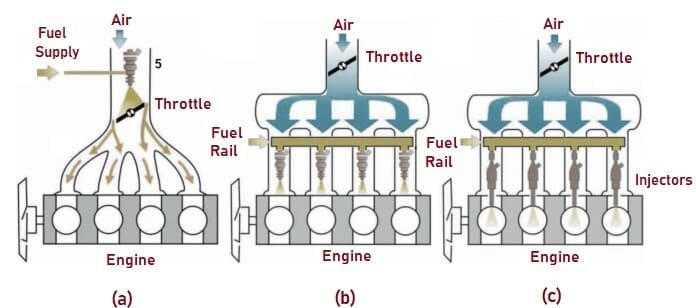
Throttle Body Injection
Throttle Body Injection (TBI) places fuel injectors in one spot. It sprays fuel into the throttle body, mixing it with air. This method is simpler and cheaper than others. TBI offers better fuel control than old carburetors. It suits small engines and older vehicles.
Multi-point Fuel Injection
Multi-Point Fuel Injection (MPFI) has injectors at each cylinder intake. It delivers fuel directly to each cylinder’s intake valve. This leads to better fuel distribution and combustion. MPFI improves power and lowers fuel consumption. It works well for most modern engines.
Direct Fuel Injection
Direct Fuel Injection (DFI) sprays fuel straight into the combustion chamber. This allows very precise fuel control and timing. DFI boosts engine efficiency and power output. It also helps reduce harmful emissions. Many high-performance and newer engines use DFI.

Credit: www.youtube.com
Common Rail Fuel Injection
Common Rail Fuel Injection is a modern system used in many diesel engines. It improves fuel delivery and engine control. This system allows precise control of fuel injection timing and pressure. It helps engines run cleaner and more efficiently.
The system stores fuel at high pressure in a shared rail. Then, it sends fuel to each injector independently. This design separates pressure generation from injection timing. It offers more flexibility and better performance.
System Components
The main parts include a high-pressure pump, a common rail, and injectors. The pump pressurizes the fuel to a very high level. The common rail stores this pressurized fuel. Injectors spray fuel into the engine cylinders.
Other parts include sensors and an electronic control unit (ECU). Sensors monitor pressure and engine conditions. The ECU adjusts fuel timing and amount precisely.
Advantages For Performance
This system improves fuel efficiency by injecting fuel exactly when needed. It reduces harmful emissions by controlling injection better. Engines run smoother and produce more power.
The precise control also lowers engine noise. It supports multiple injections per cycle. This leads to better combustion and less smoke.
Performance Impact
Fuel injection systems play a key role in a vehicle’s performance. They control how fuel mixes with air and reaches the engine. This control affects many parts of driving. From how far the car can go on a tank to how strong the engine feels. It also impacts pollution levels. Different types of fuel injection systems offer different benefits. Understanding these helps choose the right system for your needs.
Fuel Efficiency Gains
Fuel injection systems help use fuel more wisely. They deliver the exact amount of fuel needed at the right time. This reduces waste and improves miles per gallon. Electronic fuel injection systems are especially good at this. They adjust fuel flow based on driving conditions. This means less fuel is burned unnecessarily. Better fuel use saves money and reduces trips to the gas station.
Power And Torque Improvements
Fuel injection also affects engine power and torque. Precise fuel delivery helps the engine run smoothly. It improves the combustion process inside the cylinders. This leads to more power and stronger torque. Vehicles with advanced fuel injection feel more responsive. Drivers notice better acceleration and pulling power. This is important for heavy vehicles and sporty cars.
Emission Reductions
Fuel injection systems can lower harmful emissions. They ensure the fuel burns more completely. This reduces the amount of unburned fuel released into the air. Modern systems can adjust to reduce nitrogen oxides and carbon monoxide. Cleaner burning engines mean less pollution. This helps meet environmental laws and protects air quality.
Choosing The Right System
Choosing the right fuel injection system can improve your vehicle’s performance and fuel efficiency. Each system has unique features suited for different needs. Understanding key factors helps in making a smart choice. Consider your vehicle type, driving habits, and maintenance needs.
Vehicle Compatibility
Not all fuel injection systems fit every vehicle. Check the engine type and model year first. Some systems work better with older engines. Others are designed for modern vehicles with advanced electronics. Using a compatible system ensures better engine performance and fewer issues.
Driving Conditions
Think about the roads and weather you usually face. Some systems handle cold starts well. Others perform better in hot or dusty environments. City driving with frequent stops needs a different setup than long highway trips. Match the system to your driving style for smooth operation.
Maintenance Considerations
Fuel injection systems need regular care to work well. Some require more frequent cleaning or part replacements. Others are easier to maintain and last longer. Choose a system that fits your maintenance ability and budget. This keeps your engine running smoothly and avoids costly repairs.
Future Trends In Fuel Injection
The future of fuel injection systems promises smarter, cleaner, and more efficient technology. Automakers and engineers focus on reducing emissions and improving fuel economy. New developments aim to make engines more responsive and adaptive to different conditions. Advances in electronics and materials are shaping the next generation of fuel injection.
Advanced Sensors And Controls
Fuel injection systems will use better sensors to monitor engine conditions. These sensors provide real-time data on temperature, pressure, and fuel flow. The control units will use this data to adjust fuel delivery precisely. This leads to improved engine performance and lower emissions. Sensors will become smaller, faster, and more reliable. The systems will learn and adapt to driving habits and environments. This makes engines more efficient and responsive.
Integration With Hybrid Systems
Fuel injection systems will work closely with hybrid powertrains. They will coordinate with electric motors to optimize fuel use. The system will decide when to use fuel or electric power. This balance helps reduce fuel consumption and pollution. Hybrid integration requires precise control of fuel injection timing and quantity. New systems will improve this coordination for smoother transitions. This integration supports the shift toward greener vehicles.
Conclusion
Fuel injection systems vary in design and function. Each type offers unique benefits for engine performance. Choosing the right system improves fuel efficiency and power. Understanding these systems helps in making smart vehicle decisions. Engines run cleaner with proper fuel delivery methods.
Technology keeps advancing to meet emission and efficiency needs. Knowing these basics supports better maintenance and repairs. Fuel injection remains key to modern engine operation. Simple yet important knowledge for any car owner.