
You’ve just noticed a 12-inch crack stretching across your windshield, and now you’re wondering: can it really be repaired, or is a full replacement your only option? This question matters—not just for your safety but also for your wallet.
A crack that long might seem like a lost cause, but before you make any decisions, it’s important to understand what experts say about repair limits, safety concerns, and cost-effectiveness. You’ll discover when a crack that size can be fixed, what factors influence the decision, and the best steps you should take to protect your vehicle—and yourself.
Keep reading to find out if your windshield crack is repairable or if it’s time to start looking for a replacement.
Crack Size Limits
Understanding crack size limits is key to deciding if a windshield crack can be repaired. Every crack has a size boundary that guides repair specialists. These limits help keep your vehicle safe and maintain windshield strength.
Knowing these limits helps you act fast and avoid costly replacements. Size affects repair quality and overall safety.
Typical Repair Size Thresholds
Most windshield repair experts set the repair limit around 6 inches. Cracks smaller than this usually qualify for repair. This size allows resin to fill the crack properly and restore strength. Cracks longer than 6 inches often need full replacement. Repairing very long cracks may not hold well or last long.
Why 6 Inches Matters
The 6-inch rule is common among repair shops worldwide. This limit ensures the crack stays stable during repair. Cracks longer than 6 inches may spread or weaken the glass. Repair materials work best within this size. Beyond 6 inches, damage can compromise windshield safety and visibility.
Exceptions To Size Rules
Sometimes, repair shops may handle cracks longer than 6 inches. If the crack is straight and not near edges, repair might be possible. Technology improvements allow some longer cracks to be fixed. Location and type of crack also affect repair decisions. Always consult a professional to assess your windshield’s condition.

Types Of Windshield Cracks
Understanding the types of windshield cracks helps determine if a repair is possible. Cracks vary in shape, size, and location. Each type affects the windshield’s strength differently. Knowing these cracks guides your decision about repair or replacement.
Edge Cracks
Edge cracks start near the windshield’s outer edge. They often grow quickly and weaken the glass. These cracks are harder to repair because they threaten the windshield’s structure. Repair is less likely if the crack is longer than a few inches.
Floater Cracks
Floater cracks appear away from the edges, usually in the middle of the glass. They do not touch the frame. These cracks are easier to fix and less risky. Repairing floater cracks can often stop them from spreading further.
Impact Point Characteristics
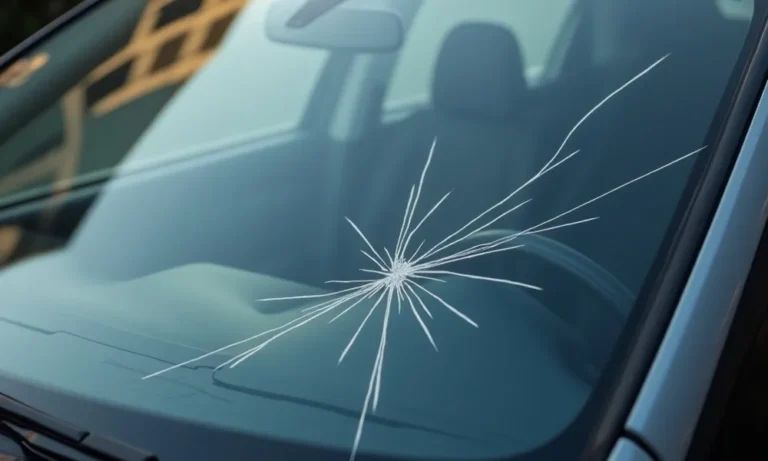
The impact point is where the crack begins. It often shows a starburst or bullseye pattern. The size of this point matters for repair. Small impact points under a dime are easier to fix. Large or deep impacts may require full replacement.
Safety Considerations
Safety is the top priority when deciding whether to repair a 12 inch crack in a windshield. A cracked windshield can affect more than just appearance. It impacts the vehicle’s safety features and the driver’s protection. Understanding the key safety considerations helps you make a smart choice.
Structural Integrity
The windshield supports the roof during a rollover accident. A long crack weakens this support. Cracks longer than 6 inches often reduce the windshield’s strength. Repairing may not restore full strength. A damaged windshield may break easily in a crash. This risks serious injury to passengers.
Driver’s Line Of Sight
Cracks in the driver’s view can cause distractions. A 12 inch crack can blur vision or create glare. This makes it harder to see road signs and hazards. Repairing cracks in this area is tricky. Sometimes replacement is safer to maintain clear vision. Clear sight is essential for safe driving.
Advanced Driver-assistance Systems
Modern cars use cameras and sensors behind the windshield. Cracks can block or confuse these devices. This affects features like automatic braking and lane-keeping. Repairing cracks near sensors may not fully restore function. Replacing the windshield ensures these systems work correctly. Proper sensor function is crucial for accident prevention.
When Repair Is Possible
A 12 inch crack in a windshield often raises questions about repair options. Not all cracks this size require full replacement. Some cracks can be fixed safely and effectively. Understanding key factors helps decide if repair is the right choice.
Repairing a crack depends on its size, location, and condition. Each factor influences safety and durability. Knowing these details allows car owners to make informed decisions.
Number And Size Of Damages
Windshield repair experts usually fix cracks smaller than 12 inches. One single crack of this length may be repairable. Multiple cracks or chips reduce the chance of repair. Three or fewer damages often qualify for repair. Larger or numerous cracks often need replacement for safety.
Location Of Crack
Cracks near the center of the windshield are easier to repair. Damage in the driver’s direct view may require replacement. Cracks at the edges weaken the windshield structure. Edge cracks often lead to full windshield replacement. Repair is best when cracks avoid critical sight and sensor areas.
Cleanliness And Condition
Clean cracks free of dirt and moisture repair better. Contaminants inside cracks block resin from filling properly. Quick repair after damage improves success rates. Old, wide cracks with debris are harder to fix. Proper preparation and clean cracks increase repair chances.
When Replacement Is Needed
Deciding whether to repair or replace a 12 inch crack in your windshield depends on several important factors. Some cracks are too large or positioned in risky areas, making replacement the safer choice. Understanding these conditions helps protect your safety and vehicle integrity.
Multiple Or Large Cracks
Windshields with several cracks or very long cracks often cannot be safely repaired. A single crack over 12 inches weakens the glass. Multiple cracks create stress points that reduce strength. Replacement restores full structural support and prevents further damage.
Cracks Near Edges
Cracks that start or extend close to the windshield edges threaten the frame’s stability. Edge cracks spread quickly due to vibrations from driving. Repairing these cracks is risky because the glass may fail under pressure. Replacing the windshield ensures proper safety and durability.
Damage To Safety Sensors
Modern windshields often house sensors for driver assistance systems. Cracks that interfere with these sensors can cause malfunction. Repairing damage near sensor areas might not restore full functionality. Replacement is necessary to maintain safety features and clear visibility.
Repair Techniques
Repair techniques for a 12-inch windshield crack vary based on damage size and location. Proper methods can restore strength and clarity. Choosing the right repair method is key for safety and appearance. Below are common techniques used by professionals and DIYers alike.
Resin Injection Process
The resin injection process fills cracks with special resin. This resin bonds the glass edges and stops the crack from spreading. First, technicians clean the cracked area carefully. Then, they inject resin into the crack using pressure. UV light cures the resin quickly, hardening it. This method restores structural integrity and improves visibility.
Tools And Materials Used
Repairing a crack requires specific tools and materials. Key tools include a resin injector, curing light, and cleaning supplies. The resin is a strong, clear adhesive designed for glass. Technicians also use drills or needles to prepare the crack for resin. Proper tools ensure the repair lasts and looks good.
Professional Vs Diy Repairs
Professional repairs offer better quality and safety assurance. Experts use advanced tools and know how to handle complex cracks. DIY kits are cheaper and easy for minor chips. Larger cracks, like 12 inches, often need professional attention. Incorrect repairs can cause further damage or reduce safety.
Cost And Insurance
Understanding the cost and insurance aspects of a 12-inch windshield crack helps decide the best action. Costs vary widely between repair and replacement. Insurance coverage often influences out-of-pocket expenses. Knowing these details guides your choice and potential savings.
Repair Vs Replacement Costs
Repairing a crack typically costs less than replacement. A 12-inch crack is near the limit for repair options. Repair prices range from $50 to $150 depending on the shop and crack location. Replacement costs can exceed $300 and go up for luxury vehicles. Replacing includes labor, glass price, and recalibration of sensors. Repair preserves most of the original windshield and takes less time.
Insurance Coverage
Many insurance policies cover windshield repairs fully with no deductible. Replacement coverage depends on your policy type and deductible amount. Comprehensive coverage often pays for glass repair or replacement. Some insurers prefer repair to avoid higher claims costs. Reporting a crack early can prevent larger claims later. Check your policy details for exact coverage and limits.
Potential Savings
Repairing a crack saves money compared to replacement. Insurance may cover repair costs fully, reducing out-of-pocket spending. Quick repairs stop cracks from growing, avoiding costly replacements. Some states require insurance companies to waive deductibles for repairs. Choosing repair keeps your car safer at a lower cost. Timely action brings better financial outcomes.
Preventing Crack Worsening
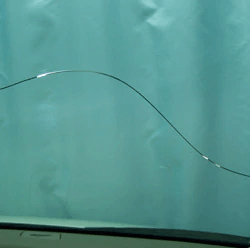
Preventing a crack in your windshield from getting worse is key to avoiding costly replacements. A 12 inch crack can spread quickly due to stress, temperature changes, or road vibrations. Taking simple actions early can slow down or stop the crack from growing. These steps help keep your windshield safer and clearer.
Covering The Crack
Cover the crack with clear tape or a windshield patch. This stops dirt and moisture from entering the crack. Dirt and water make the damage worse and harder to repair. Use a strong, waterproof tape and press it firmly over the crack. Avoid removing the tape until you get a professional check.
Avoiding Heat Exposure
Heat can cause the crack to expand and spread. Park your car in the shade or a garage to keep the windshield cool. Avoid using hot water or harsh heat sources to defrost your windshield. Sudden temperature changes create stress that worsens cracks. Keep the car’s interior cooler by using sunshades or air conditioning.
Prompt Professional Assessment
Get the crack inspected by a glass repair expert as soon as possible. Professionals can assess if the crack is repairable or needs replacement. Quick assessment helps prevent the crack from growing larger. Early repair is cheaper and safer than waiting. Trust only trained technicians to handle windshield damage.
Conclusion
A 12-inch crack in a windshield is often too large to repair safely. Small cracks under six inches can usually be fixed effectively. Bigger cracks weaken the glass and risk spreading further. Replacing the windshield ensures your safety and vehicle integrity.
Quick action helps prevent more damage and higher costs. Always consult a trusted auto glass expert for advice. Protect your car and yourself by addressing cracks promptly. Safety matters most when it comes to windshield damage.