When it comes to your car’s performance, brakes play a role as crucial as the engine. You might think all brakes are the same, but the truth is, different types of performance brakes can change how your car stops, handles, and even how safe you feel behind the wheel.
Knowing which brake system suits your driving style can give you the edge you need—whether you’re hitting the track or just cruising around town. Ready to discover the options that can boost your car’s stopping power and control? Let’s dive into the types of car performance brakes and find the perfect fit for your ride.
Brake Basics
Brakes are one of the most important parts of a car. They keep you safe by helping you stop quickly and control your speed. Understanding how brakes work helps you choose the right type for your car’s performance needs. This section explains the basics of car brakes and their key parts.
How Brakes Work
Brakes slow down or stop a car by turning motion into heat. When you press the brake pedal, it pushes a fluid through tubes to the brake parts at each wheel. These parts press against the wheels to make them slow down.
This action creates friction between the brake parts and the wheels. Friction uses energy to reduce the wheel’s speed. The harder you press the pedal, the stronger the friction and the quicker the stop.
Key Brake Components
Brakes have several important parts that work together. The brake pads press against the brake rotors to create friction. Brake rotors are flat discs attached to the wheels. They spin with the wheels and slow down when the pads push on them.
Calipers hold the brake pads and push them against the rotors. Brake fluid moves through brake lines to activate the calipers. The master cylinder sends brake fluid pressure when you press the pedal. All these parts must work well for safe braking.
Standard Brake Types
Standard brake types form the base of car braking systems. They ensure safety and control during everyday driving. Understanding these brakes helps in choosing the right upgrade or maintenance plan. Two main types dominate the market: drum brakes and disc brakes. Each has unique features and uses.
Drum Brakes
Drum brakes work by pressing brake shoes against a spinning drum. This action creates friction and slows the wheel. They are common in older cars and on rear wheels of some vehicles. Drum brakes are simple and cost-effective. They provide good braking power but can heat up quickly. Heat reduces their performance during long or hard braking. Maintenance is also more involved than disc brakes.
Disc Brakes
Disc brakes use a metal disc and pads to stop the wheel. The pads squeeze the disc to create friction. These brakes cool down faster than drum brakes. They offer better stopping power and control. Most modern cars have disc brakes on all wheels or at least the front. They require less maintenance and perform well in wet conditions. Disc brakes are popular for their reliability and efficiency.
Performance Brake Pads
Performance brake pads are key for better stopping power and control. They handle heat and friction well, which helps in tough driving conditions. Different types of brake pads suit different cars and driving styles. Choosing the right pad improves safety and driving experience.
Organic Pads
Organic pads use natural materials like rubber and glass. They are soft and quiet during braking. These pads cause less wear on brake rotors. They work best for everyday driving and light use. Not ideal for high-speed or heavy braking situations.
Semi-metallic Pads
Semi-metallic pads mix metal fibers with other materials. They offer strong braking power and good heat resistance. These pads are durable and work well in many conditions. They can be a bit noisy and cause more rotor wear. Common choice for sports cars and trucks.
Ceramic Pads
Ceramic pads use ceramic fibers and small metal particles. They provide smooth, quiet braking with less dust. These pads handle high temperatures well without fading. They last longer and are gentle on rotors. Ideal for street performance and daily driving.
High-performance Rotors
High-performance rotors play a key role in a car’s braking system. They help control heat and improve stopping power. Different types of rotors suit different driving styles and needs. Understanding these types can help you choose the right brakes for your vehicle.
Slotted Rotors
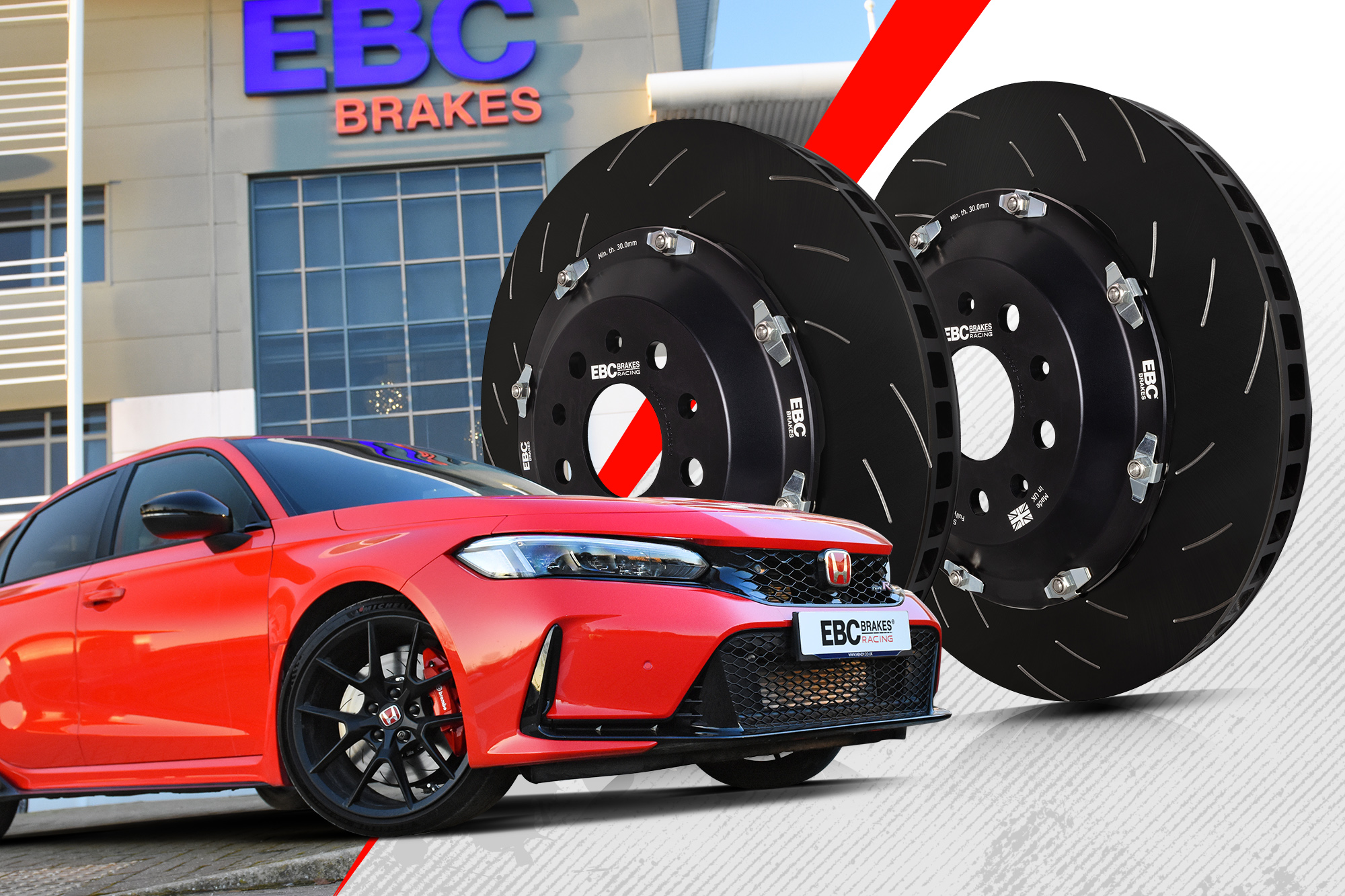
Slotted rotors have grooves cut into their surface. These slots help remove gas and dust from the brake pad. This keeps the pads clean and improves braking. Slotted rotors also help reduce brake fade during heavy use. They work well for street driving and light track use.
Drilled Rotors
Drilled rotors feature holes across the surface. These holes allow heat and gases to escape quickly. This design helps keep brakes cooler during hard stops. Drilled rotors also improve water dispersion in wet conditions. They offer strong performance but may crack under extreme stress.
Carbon-ceramic Rotors
Carbon-ceramic rotors are made from advanced materials. They are very light and resist heat better than metal rotors. These rotors provide excellent stopping power and last much longer. They suit high-performance sports cars and racing vehicles. Carbon-ceramic rotors cost more but deliver superior performance.
Brake Calipers
Brake calipers are a key part of a car’s braking system. They hold the brake pads and press them against the brake rotors. This action creates friction that slows down the car. Different types of calipers affect braking performance and feel.
Single-piston Calipers
Single-piston calipers have one piston on one side of the rotor. When pressed, the piston pushes the brake pad against the rotor. The pad on the other side is pushed by the caliper frame. These calipers are simple and cost-effective. They work well for everyday driving and light cars.
Multi-piston Calipers
Multi-piston calipers have two or more pistons on both sides of the rotor. This design applies pressure more evenly on the brake pads. It improves braking power and control. Cars built for performance or heavy-duty use often have multi-piston calipers. They offer better heat distribution and reduce brake fade.
Fixed Vs Floating Calipers
Fixed calipers stay in one position and have pistons on both sides of the rotor. They provide strong, consistent braking. Floating calipers move slightly and have pistons only on one side. They are lighter and cheaper but may not deliver the same braking force. Each type suits different driving needs and budgets.
Credit: www.ebcbrakes.com
Upgrading Brake Fluids
Upgrading brake fluids improves your car’s braking power and safety. Standard brake fluids might not handle high heat well. High-performance fluids resist heat better and keep brakes working smoothly. This is important for sporty driving or heavy braking. Choosing the right brake fluid matches your car’s performance needs.
Dot Ratings
Brake fluids have different DOT ratings. Each rating shows the fluid’s heat tolerance and boiling point. Common types are DOT 3, DOT 4, and DOT 5.1. DOT 3 suits regular driving but heats up fast under stress. DOT 4 and DOT 5.1 handle higher temperatures and work better for performance cars. DOT 5 is silicone-based and not compatible with most cars.
Benefits Of High-performance Fluids
High-performance brake fluids reduce brake fade. Brake fade happens when fluid boils and causes pedal softness. These fluids keep boiling points high, so brakes stay firm. They absorb less moisture, which extends fluid life. This keeps braking consistent and safe over time. Upgrading fluids supports better pedal feel and quicker brake response.
Brake Cooling Solutions
Brake cooling solutions help keep brakes cool during heavy use. Heat from braking can reduce performance and cause damage. Cooling systems improve safety and extend brake life. These solutions work by directing air or blocking heat to lower brake temperatures.
Cooling Ducts
Cooling ducts channel air directly to brake parts. They use openings or vents near the wheels. Airflow helps remove heat from brake discs and pads. This keeps brakes cooler and prevents overheating. Cooling ducts are common in race cars and high-performance vehicles. They improve brake consistency under tough conditions.
Heat Shields
Heat shields protect brakes from hot nearby components. They block heat from the engine or exhaust system. This reduces the heat load on brake parts. Heat shields are made from metal or heat-resistant materials. They help maintain brake efficiency and prevent brake fade. Heat shields are a simple but effective cooling solution.

Credit: hondaracing-us.honda.com
Choosing The Right Brakes
Choosing the right brakes is key to safe and smooth driving. Brakes must match your needs and vehicle type. Selecting the correct brake type improves control and stops your car effectively. Brake choices depend on several important factors.
Driving Style Considerations
Your driving style shapes the kind of brakes you need. For city driving, brakes that cool quickly and stop fast work best. For sporty driving, high-performance brakes offer better grip and fade resistance. Gentle drivers may prefer brakes that last longer and need less maintenance. Aggressive braking needs brakes that handle heat and wear well. Understanding how you drive helps pick the best brake system.
Vehicle Type Impact
The type of vehicle affects brake choice greatly. Heavy trucks require strong, durable brakes with great stopping power. Smaller cars need brakes that balance power and efficiency. Sports cars benefit from lightweight, high-performance brakes for quick response. SUVs need brakes that handle extra weight and rough roads. Matching brakes to your vehicle keeps it safe and works well under all conditions.
Maintenance Tips For Performance Brakes
Performance brakes need careful care to work well and last long. Proper maintenance helps keep your car safe and stops it quickly. Small checks can prevent big problems later.
Follow these simple tips to keep your performance brakes in top shape. Regular care improves brake power and saves money on repairs.
Regular Inspections
Check your brakes often to spot any issues early. Look for cracks, leaks, or worn parts. Listen for unusual noises when braking. Clean dirt and dust from brake components. Regular inspections catch problems before they grow.
Brake Pad Replacement Signs
Brake pads wear out with use and need replacing. Watch for squeaking or grinding sounds. Notice if braking feels weak or takes longer. Thin brake pads or vibrations signal replacement time. Change pads promptly to avoid damage to other parts.
Rotor Care
Rotors work with brake pads to stop your car. Keep rotors smooth and free of deep grooves. Warped or damaged rotors reduce braking power. Have rotors checked during pad changes. Resurface or replace rotors if needed for safe stops.
Credit: www.ebcbrakes.com
Conclusion
Choosing the right car performance brakes improves driving safety and control. Different types suit different needs and budgets. Ceramic brakes last long and handle heat well. Metallic brakes provide strong stopping power but wear faster. Carbon brakes offer top performance for racing but cost more.
Understanding these options helps you make smart choices. Good brakes mean better road confidence and peace of mind. Keep your brakes maintained for safe, smooth rides every time.